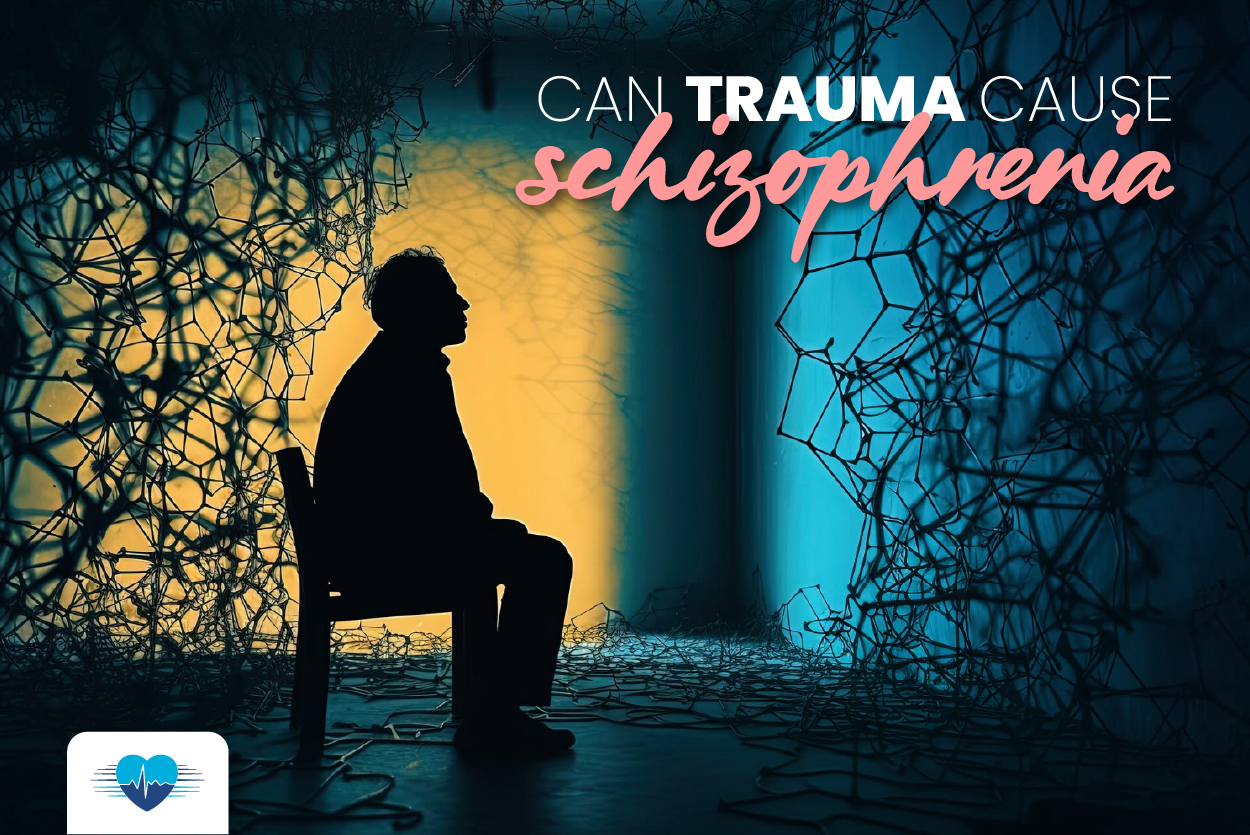
Can A Head Injury Cause Schizophrenia

Hey there! Ever bumped your head and then worried about...well, everything? We all have those moments. Today, let's tackle a big question: Can a head injury actually cause schizophrenia? It's a serious topic, but we'll keep it light and approachable. Think of it as a brain-storming session – pun absolutely intended!
First things first, schizophrenia is a complex mental disorder that affects a person's ability to think, feel, and behave clearly. Symptoms can include hallucinations (seeing or hearing things that aren't there), delusions (believing things that aren't true), disorganized thinking, and social withdrawal. It's like your brain is playing a really confusing game of hide-and-seek, and you're always "it."
The Head Injury Connection: A Tangled Web
So, where does a head injury fit into all of this? Well, the relationship is...complicated. It's not as simple as "BAM! Head injury = Schizophrenia!" If it were, emergency rooms would be even more chaotic than they already are! Think of it more like this: a head injury might be a contributing factor in some cases, but it's rarely the sole cause.
Must Read
Research shows a possible link between traumatic brain injuries (TBIs), especially severe TBIs, and an increased risk of developing schizophrenia later in life. But here's the kicker: many other factors also play a role. Things like genetics, family history of mental illness, environmental factors, and even stressful life events can all contribute to the development of schizophrenia. Basically, it's a multi-layered cake, and the head injury is just one ingredient – maybe the frosting? (Okay, bad analogy, I'm hungry!).
Imagine your brain as a finely tuned orchestra. A head injury is like someone accidentally bumping into the conductor's podium. It might disrupt the music for a bit, maybe even cause a few instruments to play out of tune. But it doesn't necessarily mean the entire orchestra will suddenly forget how to play its music properly forever.
Why the Link, Though? Speculation Station!
Scientists are still trying to figure out the exact mechanisms behind this potential link. Some theories suggest that TBIs can lead to:
- Brain damage: Obvious, right? Damage to specific areas of the brain could disrupt neural pathways and contribute to psychotic symptoms.
- Inflammation: After a head injury, the brain can become inflamed. Chronic inflammation has been linked to various mental health conditions, including schizophrenia.
- Neurotransmitter imbalances: TBIs can mess with the levels of neurotransmitters in the brain, like dopamine and glutamate, which are thought to be involved in schizophrenia.
But again, remember it's not a guaranteed thing! Think of it like this: eating too much cake could lead to weight gain, but it doesn't mean it definitely will. It depends on your metabolism, how much exercise you get, and other factors.

Important Caveats and Reassurances
Okay, so let's dial down the anxiety, shall we? Here are a few important points to keep in mind:
- Correlation is not causation: Just because two things are related doesn't mean one causes the other. Maybe people with certain pre-existing vulnerabilities are more prone to both head injuries and schizophrenia.
- Most people with head injuries DO NOT develop schizophrenia: Seriously. If every bump on the noggin led to psychosis, we'd all be in trouble! It's a relatively rare outcome.
- Early intervention is key: If you or someone you know experiences a head injury, especially a severe one, it's crucial to seek medical attention and monitor for any changes in mental health. Early treatment can make a big difference.
And finally, remember that even if someone does develop schizophrenia, it's a treatable condition. Medication, therapy, and support groups can all help people manage their symptoms and live fulfilling lives.

The Bottom Line: Don't Panic!
So, can a head injury cause schizophrenia? The answer is a hesitant "maybe," but it's highly unlikely. It's a complex interplay of various factors, and a head injury is just one piece of the puzzle. The key takeaway is to not jump to conclusions, seek medical attention for head injuries, and remember that mental health conditions are treatable.
Now, go forth and conquer your day! And maybe wear a helmet if you're planning on doing anything particularly adventurous. Just kidding...mostly! But seriously, take care of your brain – it's the only one you've got! And remember, even if life throws you a curveball (or a head injury!), there's always hope for a brighter, healthier future. You got this!