
Breastfeeding Scene In The Hills Have Eyes

Okay, let's talk about something a little… unexpected. Something that pops up in a place you probably really wouldn't expect it: Wes Craven's The Hills Have Eyes. I’m talking about breastfeeding. Yup, you read that right. Breastfeeding in a cannibal horror flick. Stick with me, because it's actually pretty fascinating.
Now, before you picture something gentle and serene, think again. This isn't a La Leche League meeting. This is the freaking desert, populated by mutant families, and survival is the name of the game. But even in this brutal landscape, the film presents this moment of nurture and survival.
Why is it interesting? Well, isn't everything a little more interesting when it's unexpected? Think of it like finding a single, delicate wildflower blooming in the middle of a junkyard. The contrast is stark, isn’t it?
Must Read
The Scene: A Glimpse of Humanity?
We see Mama Jupiter, leader of the cannibal clan, breastfeeding her child. It’s raw, it’s primal, and it's… weirdly compelling. It challenges your expectations. You’re watching this horrifying family engage in brutal acts, and then bam, a moment of intense maternal connection. It's jarring, right?
But think about it: even in the most depraved corners of humanity (or, in this case, mutant-ity), there’s still this fundamental drive to nurture and protect offspring. Isn't that kind of wild?

Is it supposed to humanize them? Maybe. Craven was a master of subverting expectations and making us question what we think we know. The scene isn’t romanticized, by any means. It’s a stark depiction, stripped of any sentimental gloss. But it's there. It exists.
Survival of the Fittest... and Most Fed
In a world where survival is a daily battle, breastfeeding isn't just about bonding. It’s about nourishment, strength, and the continuation of the family line. It's a primal need met in the most brutal of circumstances. Think of it like this: it's not just about love; it's about literally fueling the next generation of desert terrors.
The breast milk, in this context, isn't just food; it's a symbol of resilience. A symbol of how deeply ingrained the drive to nurture is, even when everything else is falling apart. Isn't that profound, in a messed-up sort of way?
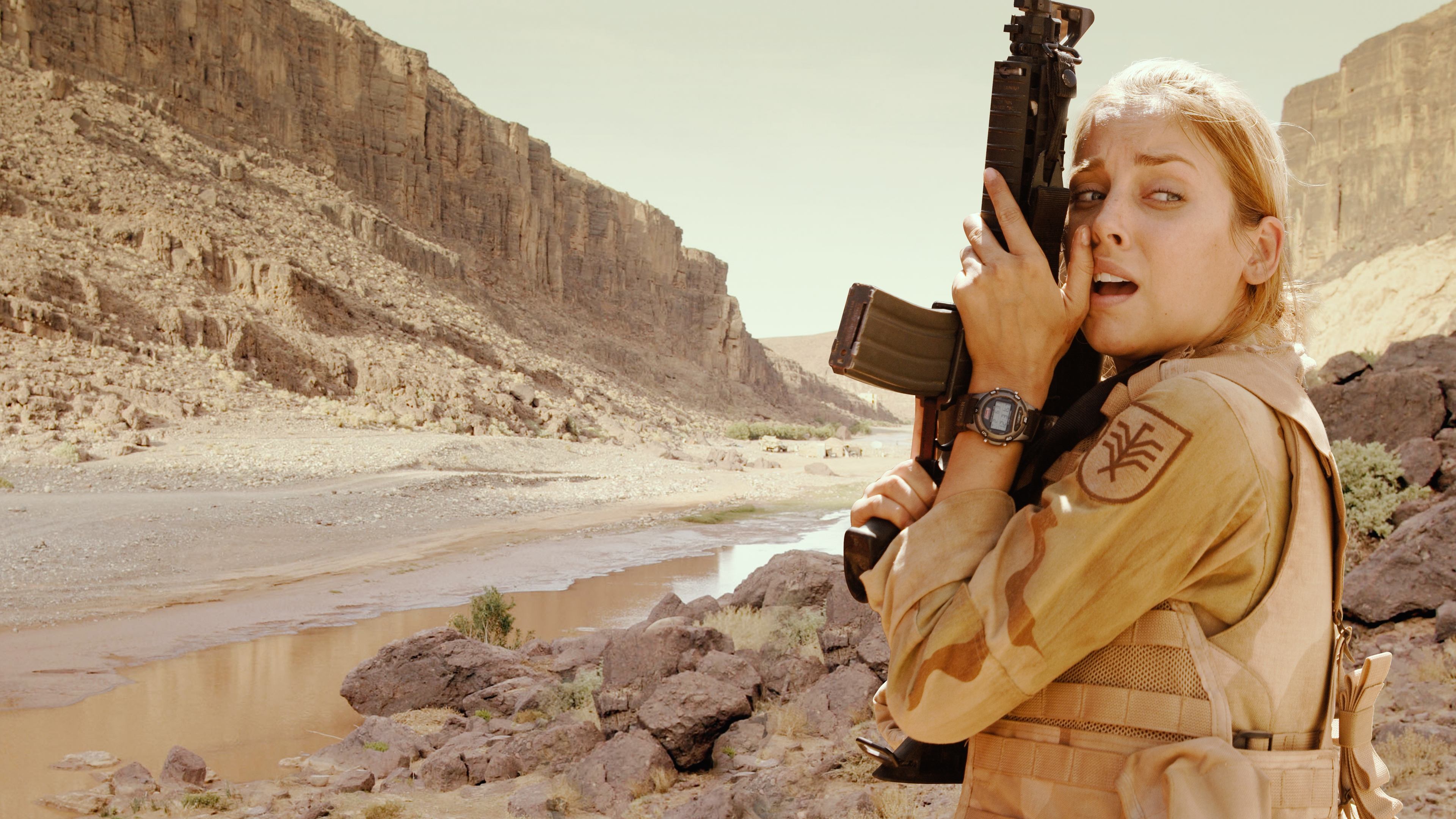
It's like finding out that even the most ruthless predator cares for its young. A lioness fiercely protecting her cubs, a shark meticulously ensuring her pups are born in a safe environment… it's the circle of life, folks, even when that circle is covered in sand and human remains.
Contrast and Commentary
The scene also provides a stark contrast to the more civilized (at least initially) Carter family. We see them struggling with their own family dynamics, their own internal conflicts. Then, we cut to Mama Jupiter, a character defined by brutality, engaging in this act of primal nurturing. Does it make you question who's more "human" in the end?
Craven often used horror to explore social commentary, and I believe this scene is no exception. It forces us to confront our own assumptions about family, motherhood, and what it means to be "civilized."

Think of it as a twisted mirror reflecting back at us. We see our own vulnerabilities, our own primal instincts, reflected in the grotesque image of this cannibal family. It’s uncomfortable, but that’s kind of the point, isn’t it?
Is it gratuitous? Maybe some would argue that. But it definitely sticks with you. It adds a layer of complexity to the film, making it more than just a simple slasher flick. It’s a brutal meditation on survival, family, and the enduring power of maternal instinct, even in the face of unimaginable horror.
So, Why Is It Cool?
Ultimately, the breastfeeding scene in The Hills Have Eyes is cool because it’s unexpected, thought-provoking, and deeply unsettling. It forces us to confront uncomfortable truths about ourselves and the world around us.
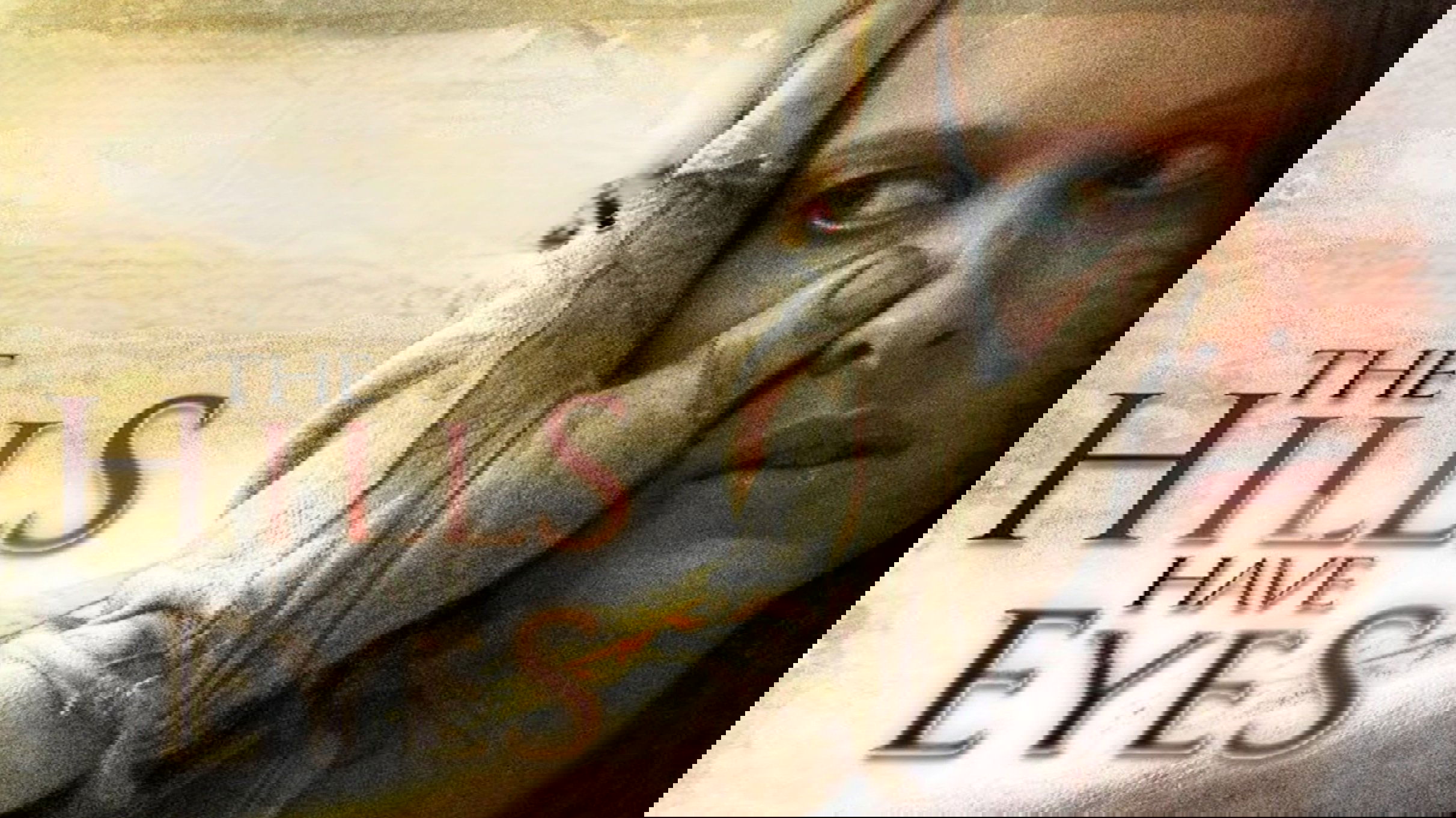
It’s a reminder that even in the darkest corners of humanity, there’s still a spark of something… primal. Something essential. Something that connects us all, whether we like it or not.
It takes a normal, natural act and puts it in a situation so bizarre and frightening, that it makes you think. And isn’t that what good art – even horrifying art – is supposed to do?
And honestly, let's be real, how many other horror films can you say feature breastfeeding? It's a conversation starter, for sure!