
Bonito Meaning In Spanish

What's the Deal with "Bonito" in Spanish? It's More Than Just "Pretty!"
Ever heard someone say "bonito" in Spanish? It's a word that pops up all the time. But what exactly does it mean? And why do Spanish speakers use it so much?
Well, prepare to be charmed! "Bonito" is a versatile word. It’s like the Swiss Army knife of compliments!
Beyond the Basics: "Bonito" Isn't Just "Beautiful"
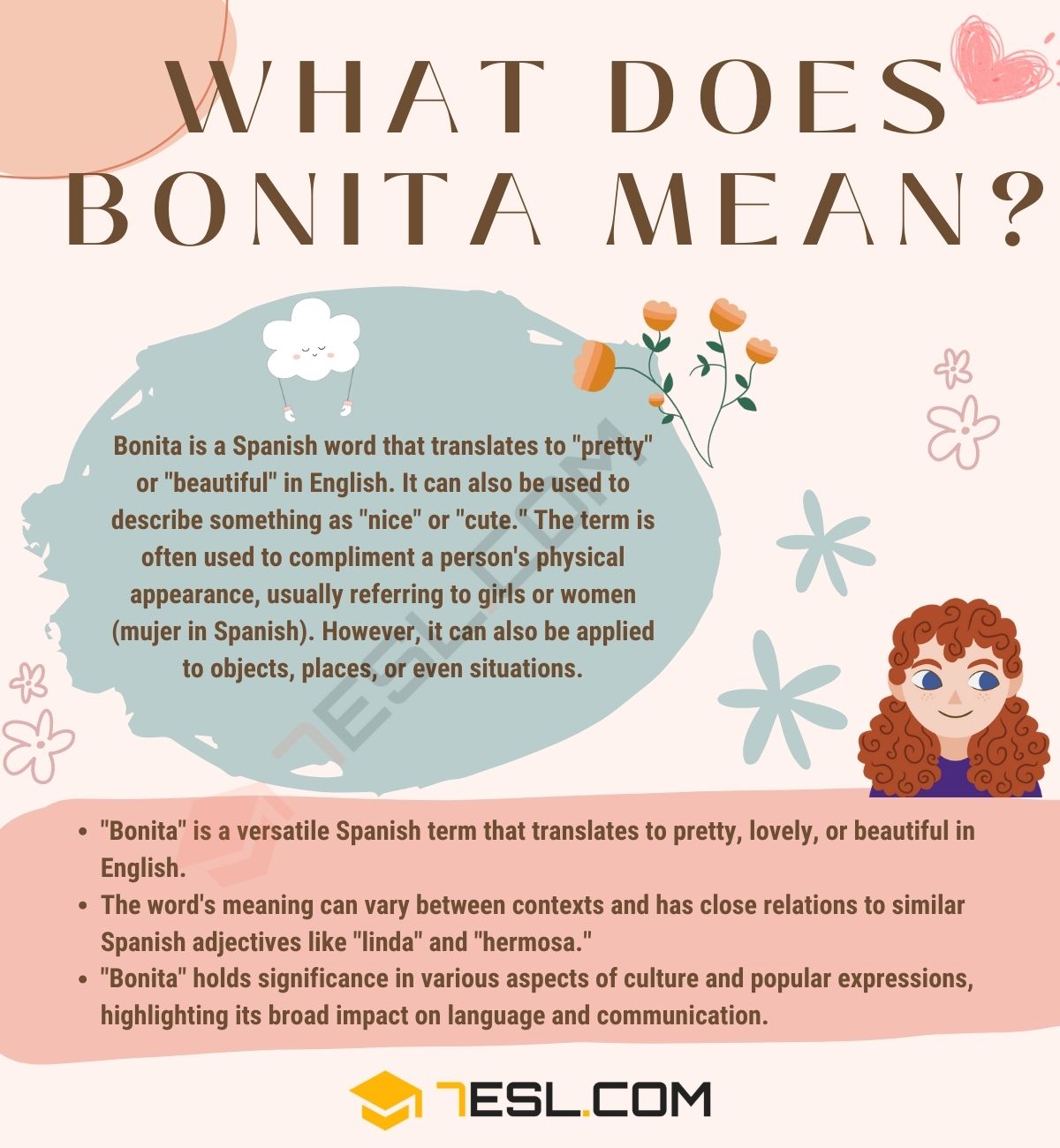
The most common translation of "bonito" is "pretty" or "beautiful." That's a good starting point. But it doesn't quite capture the full flavor.
Must Read
"Bonito" has a certain warmth to it. It suggests something is pleasing, nice, or agreeable. Think of it as a friendly compliment.
It's that feeling when you see a cute puppy. Or a perfectly brewed cup of coffee. That's "bonito" territory!
"Bonito" in Action: Where You'll Hear It
You'll hear "bonito" everywhere in the Spanish-speaking world. Someone might say "¡Qué bonito!" when they see a beautiful sunset.
Or, imagine you give a friend a small gift. They might respond with "¡Qué bonito detalle!" meaning "What a nice gesture!"
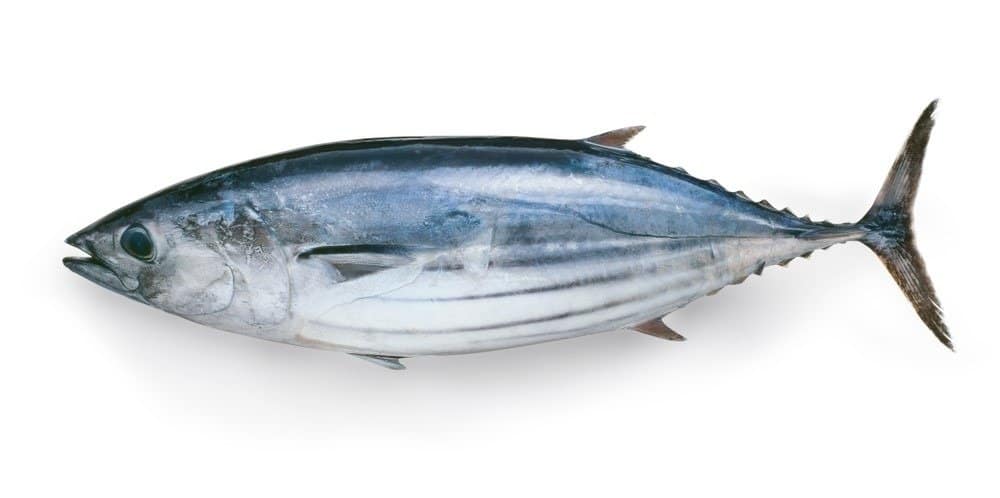
Even a well-behaved dog might earn a "¡Qué perro bonito!" That means "What a beautiful (or well-behaved) dog!"
Why "Bonito" is so Endearing: It's Approachable
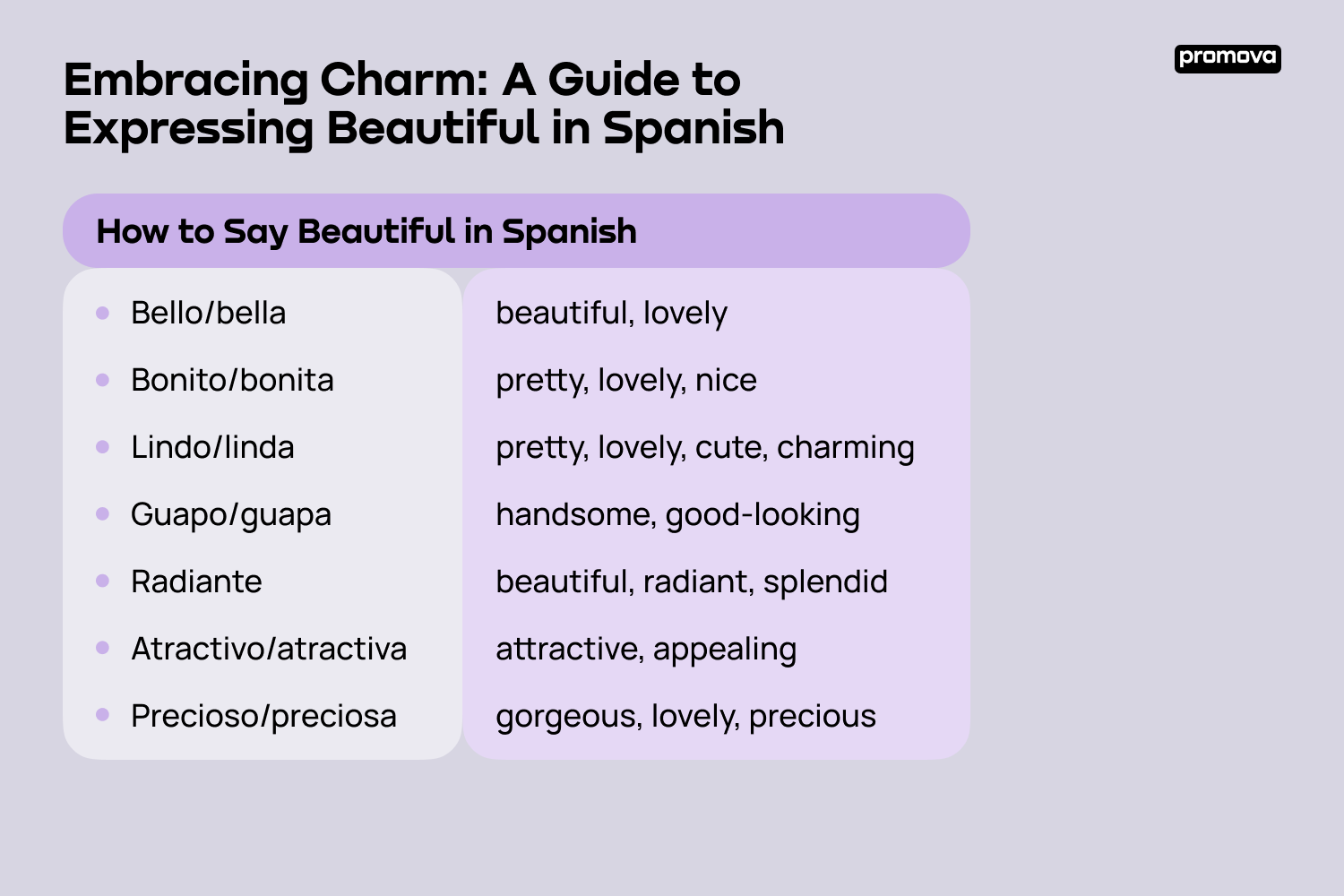
Unlike words like "hermoso" (beautiful) or "precioso" (precious), "bonito" isn't overly formal.
It's a casual, everyday compliment. It's the kind of thing you'd say to a friend, a family member, or even a stranger.
Using "bonito" shows you appreciate something without being over the top. It's a genuine and friendly expression.
The Difference Between "Bonito" and "Guapo/Guapa"
Now, let's talk about "guapo" and "guapa." These words also mean "handsome" or "beautiful." But they're usually used to describe people.
You wouldn't typically call a sunset "guapo." It would sound a little strange!
Instead, you'd say "¡Qué bonito atardecer!" ("What a beautiful sunset!"). "Bonito" works for objects, places, and even situations.
"Bonito" as a Feeling: More Than Just a Word
"Bonito" can also describe a feeling or experience. For example, you might say "Fue un momento bonito." This means "It was a nice moment."
Or "Tengo un recuerdo bonito de ese viaje." ("I have a fond memory of that trip.")
So, "bonito" isn't just about outward appearance. It's about a general sense of pleasantness and positivity.
How to Use "Bonito" Like a Pro
Want to sound more like a native Spanish speaker? Start sprinkling "bonito" into your conversations.
See a pretty flower? Say "¡Qué bonita flor!" Meet a friendly person? Comment "Qué persona bonita!"
The more you use it, the more natural it will become. Plus, you'll be spreading a little bit of joy with your compliments!
Beyond "Bonito": Exploring Similar Words
Once you've mastered "bonito," you can explore other similar words. Think of "lindo/a" (cute) or "mono/a" (adorable).
These words add even more nuance to your Spanish vocabulary. But "bonito" is a great place to start!
So, embrace the power of "bonito." It's a small word with a big impact. It will help you express your appreciation for the beauty and goodness around you. Now go out there and find something bonito!