Blue Light Therapy For Toenail Fungus

Let's be honest, talking about toenail fungus isn't exactly the stuff of exciting cocktail party conversations. But, hey, if you're reading this, chances are you or someone you know is battling this persistent and sometimes embarrassing issue. And guess what? There's a new, relatively painless, and frankly, kind of futuristic weapon in the fight: blue light therapy!
We're not talking about turning into a Smurf here. Blue light therapy, specifically when targeted at toenail fungus (onychomycosis, if you want to get technical), is a treatment that uses specific wavelengths of blue light to inhibit the growth of the fungus. Think of it as a silent, invisible ninja assassin for your toes.
So, how does it work? Fungi, like all living things, have certain vulnerabilities. Blue light, at specific wavelengths (usually around 405-470nm), can generate reactive oxygen species (ROS). These ROS are like tiny bombs that disrupt the fungal cells, making it difficult for them to thrive and multiply. It's essentially a form of targeted cellular disruption without harming the surrounding healthy tissue.
Must Read
What are the benefits? Unlike traditional treatments like oral antifungal medications, which can have potential side effects affecting the liver, blue light therapy is generally considered very safe. It's non-invasive, meaning no needles or cutting involved. And while it might take multiple sessions to see significant improvement, many find it a much more appealing option than months of taking pills. Plus, you can often do these treatments at home with a handheld device, making it super convenient.

Is it a magic bullet? Not quite. Blue light therapy isn't a guaranteed cure for everyone, and results can vary depending on the severity of the infection and the individual's response to the treatment. It's also important to remember that consistency is key. You'll likely need to follow a prescribed treatment schedule, typically involving multiple sessions per week, for several weeks or even months.
Think of it as tending a garden. You can't just plant a seed and expect a beautiful flower to bloom overnight. You need to water it, give it sunlight, and protect it from weeds. Similarly, blue light therapy requires patience and commitment to see the desired results.

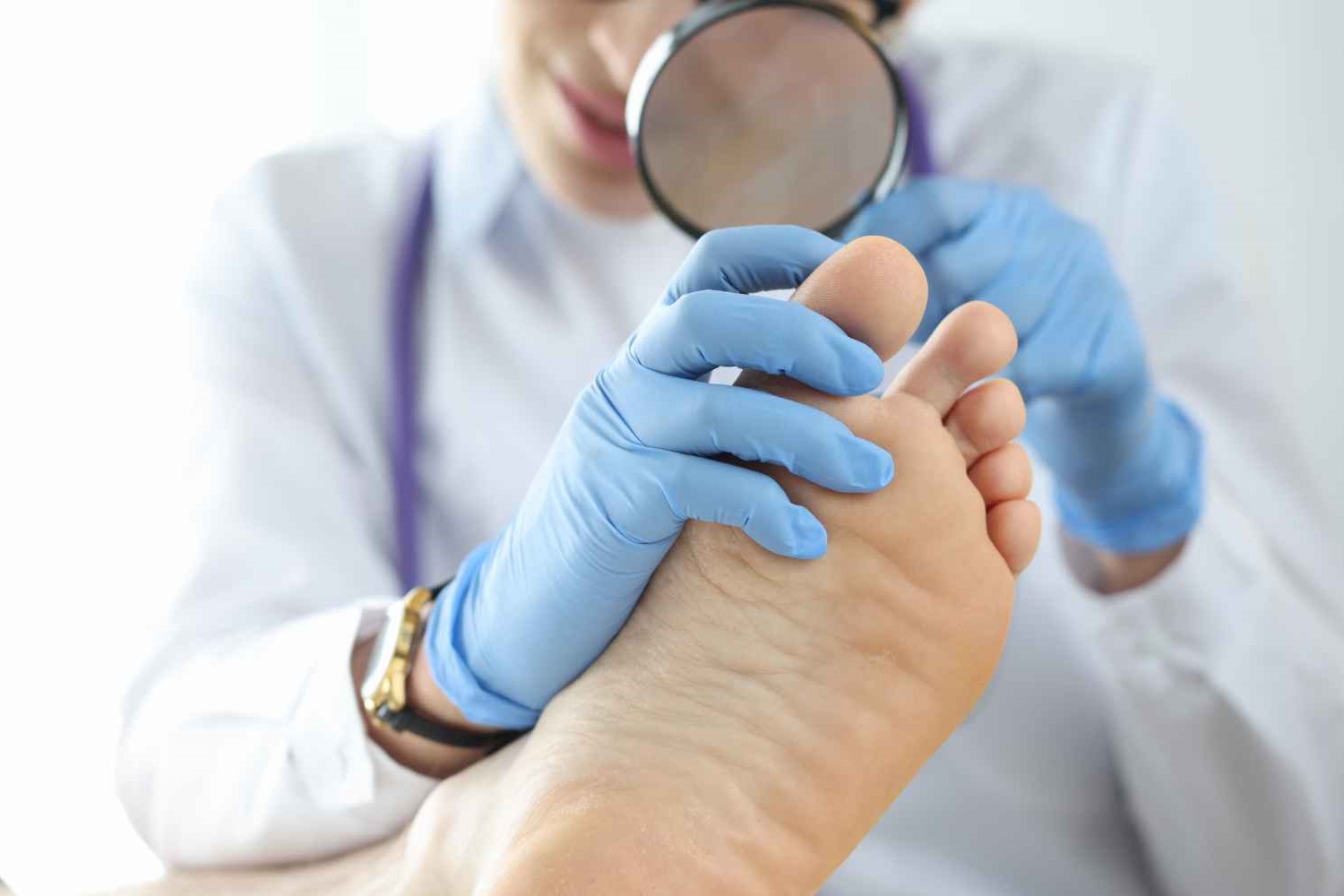
Before you jump on the blue light bandwagon, it's always a good idea to consult with a podiatrist or dermatologist. They can properly diagnose your condition, assess its severity, and recommend the most appropriate treatment plan for you. They can also advise you on reputable blue light therapy devices and treatment protocols.
In conclusion, blue light therapy offers a promising and relatively gentle approach to tackling toenail fungus. While it's not a quick fix, its safety profile and ease of use make it an attractive option for many. So, if you're tired of hiding your toes and dreaming of sandal season, explore the possibility of blue light therapy – it might just be the light at the end of the (fungal) tunnel!