
Blue Buffalo Wet Dog Food Feeding Guide
Alright, let's talk dog food, specifically Blue Buffalo wet food! Think of it like this: you wouldn't want to eat the same boring thing every single day, right? Your furry best friend probably feels the same way! Variety is the spice of life, and a good diet is the foundation for a happy, tail-wagging companion.
So, why should you even care about a feeding guide? Imagine baking a cake without a recipe. Sure, you might get something edible, but chances are it'll be a bit…off. A feeding guide is your recipe for a healthy, well-nourished dog. It helps you avoid overfeeding (hello, chubby pups who can't reach their own tails!) or underfeeding (sad, energy-lacking doggos). Nobody wants that!
Understanding the Blue Buffalo Wet Food Feeding Guide
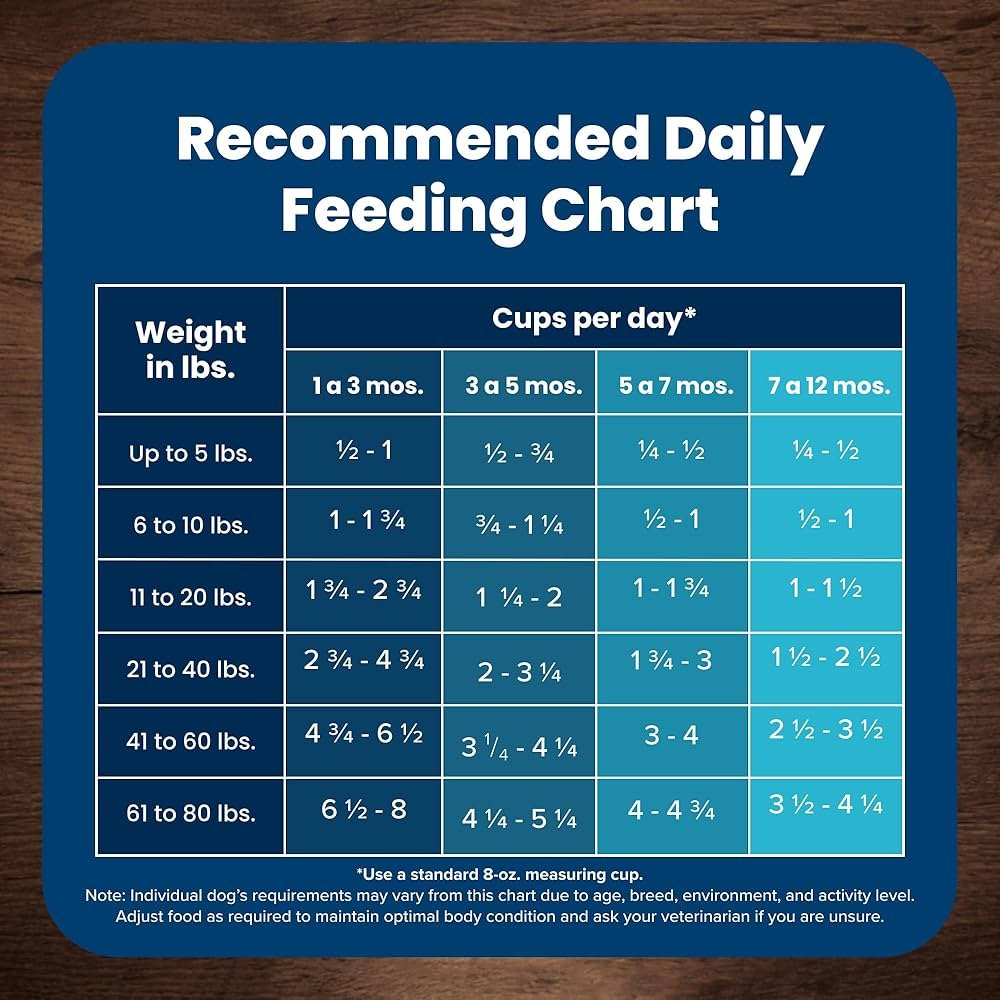
Now, where do you find this magical guide? Usually, it's right there on the can or pouch of Blue Buffalo wet food. Take a peek! It's usually a simple chart that breaks down the recommended amount of food based on your dog's weight. Think of it as a cheat sheet to dog-food-feeding success!
Must Read
Important note: Every dog is different! The feeding guide is just a starting point. Just like humans, some dogs have faster metabolisms than others. A super-active Border Collie is going to need more fuel than a couch-potato Bulldog. Use the guide as a base, but always adjust based on your dog's individual needs.
Key Factors That Affect Feeding Amounts
What other factors play a role? Glad you asked!

- Age: Puppies are growing machines! They need more calories and nutrients than adult dogs. Senior dogs, on the other hand, might need fewer calories as their activity levels decrease.
- Activity Level: Is your dog a marathon runner or a champion napper? The more active they are, the more fuel they need.
- Breed: Some breeds are naturally more prone to weight gain. Labs, bless their hearts, are notorious for loving food a little too much.
- Health Conditions: If your dog has any health issues, like diabetes or kidney disease, your vet might recommend a special diet and feeding schedule. Always follow your vet's advice!
Think of it like this: a marathon runner eats different food and more of it than someone binge-watching Netflix all day. Your dog's activity level affects their caloric needs just as much.
How to Use the Feeding Guide Effectively
Okay, you've got the guide in front of you. Now what? Here's a simple step-by-step approach:

- Find your dog's weight. Be honest! No fudging the numbers to make them seem smaller.
- Locate the corresponding feeding amount. The guide will usually give you a range (e.g., 1-1.5 cans per day).
- Start with the lower end of the range. It's always easier to add more food than to take it away.
- Observe your dog. Are they maintaining a healthy weight? Do they seem energetic and happy? Adjust the amount accordingly.
Don't be afraid to experiment! Every dog is unique, so what works for your neighbor's Golden Retriever might not work for your Shih Tzu. It's all about finding the sweet spot.
Signs You're Feeding the Right Amount
How do you know if you're hitting the mark? Here are a few telltale signs:
- Healthy weight: You should be able to feel your dog's ribs without pressing too hard. They shouldn't be visible, but you shouldn't have to dig for them either.
- Good energy levels: A happy, energetic dog is usually a well-fed dog.
- Healthy coat: A shiny, healthy coat is a sign of good nutrition.
- Regular bowel movements: Nobody likes talking about poop, but it's an important indicator of digestive health.
If your dog seems sluggish, is gaining or losing weight rapidly, or has any digestive issues, it's time to re-evaluate their diet and consult with your vet.
Mixing Wet and Dry Food
Many owners like to mix wet and dry food. It can add some variety and moisture to your dog's diet. If you're doing this, remember to adjust the amount of each type of food accordingly. For example, if the guide recommends 1 can of wet food and 1 cup of dry food, and you're mixing them, you might give half a can of wet food and half a cup of dry food.

Think of it as creating a culinary masterpiece for your furry friend! Just be sure to keep the overall nutritional balance in mind.
The Importance of Fresh Water
And finally, a friendly reminder: always provide your dog with fresh, clean water. Especially if you're feeding them wet food, which has a higher moisture content, they still need access to plenty of water throughout the day. It's like offering them a refreshing glass of lemonade after a long run!
Feeding your dog Blue Buffalo wet food doesn't have to be complicated. By understanding the feeding guide and paying attention to your dog's individual needs, you can ensure they're getting the nutrition they need to thrive. A healthy dog is a happy dog, and a happy dog makes for a happy owner. So, go forth and feed with confidence!