
Best Way To Remove Dog Dingleberry
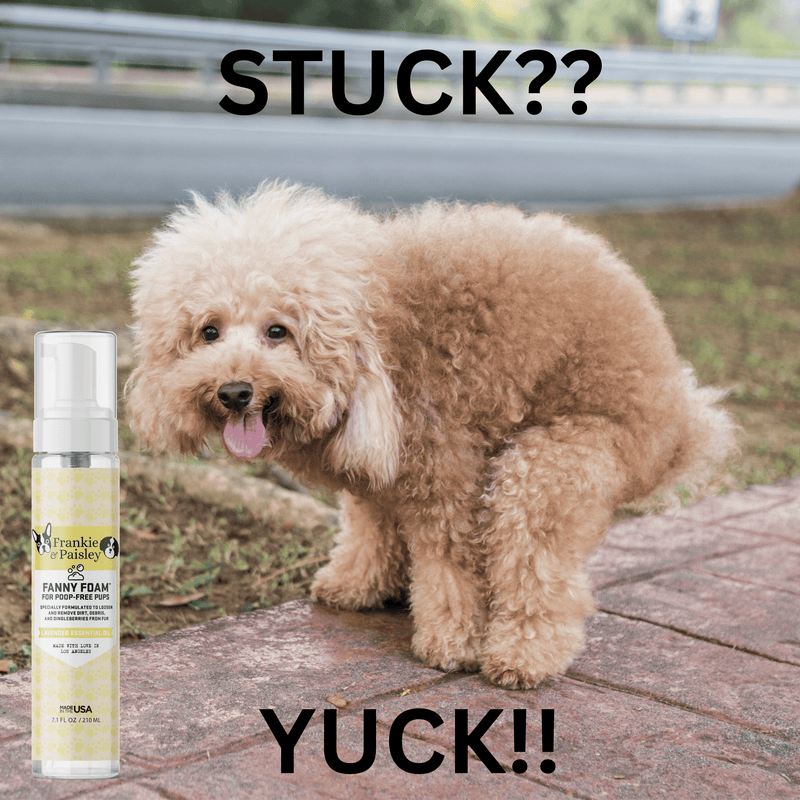
Let's talk about something every dog owner secretly deals with: the dreaded dingleberry. Yes, those little… well, you know… clinging to your furry friend's backside. It’s a universal experience, a canine comedy of errors played out in backyards and dog parks worldwide. But fear not, fellow dog lovers! There are ways to navigate this sticky situation (pun intended!).
The Preemptive Strike: Grooming is Key
Think of grooming as your first line of defense. Regular brushing, especially around the tail and hindquarters, can work wonders. This helps prevent mats from forming, which are like dingleberry magnets. A well-groomed dog is a happy dog, and a less dingleberry-prone dog is a happy owner!
Pay special attention to dogs with long or thick fur. Breeds like Shih Tzus, Poodles, and Old English Sheepdogs are particularly susceptible. A quick trim around the rear can make a huge difference. Think of it as giving your dog a little "landing strip" for easier… well, you get the picture.
Must Read
The Tools of the Trade: What You'll Need
When a dingleberry attack is imminent, you'll want to be prepared. Here’s your arsenal: baby wipes, blunt-nosed scissors, and a whole lot of patience. Oh, and maybe a sense of humor. Things are about to get… interesting.
Baby wipes are your best friend. Unscented, hypoallergenic ones are ideal to avoid irritating your dog's sensitive skin. Blunt-nosed scissors are for emergency situations – those stubborn cases that just won't budge with a wipe. Remember safety first! Sharp scissors near a wiggly dog are a recipe for disaster.
And don't forget the treats! A little positive reinforcement can go a long way in making this whole process more bearable for your dog. Think of it as a bribe for good behavior. "Sit still, and you get a peanut butter treat!"
The Dingleberry Removal Techniques: A Step-by-Step Guide
Okay, the moment of truth. Here's how to tackle those pesky cling-ons: Start with the baby wipes. Gently try to loosen and remove the dingleberry with a wiping motion. Be patient, and don't pull too hard.

If the wipe isn't doing the trick, it's time to bring in the scissors. Carefully trim away the offending material. Remember to cut away from the skin and be mindful of your dog's movements. A sudden wiggle could lead to an accidental snip.
For particularly stubborn cases, a warm bath might be necessary. The warm water can help soften the dingleberry, making it easier to remove. Plus, your dog will get a nice clean bum out of the deal!
Remember to always praise your dog throughout the process. Even if they're not thrilled with what you're doing, a little encouragement can help them relax. A calm dog is a cooperative dog. And a cooperative dog makes your life much easier.
When to Call in the Professionals: Knowing Your Limits
Sometimes, despite your best efforts, a dingleberry situation can be too much to handle. If the dingleberry is causing your dog pain or irritation, it's time to consult a veterinarian or professional groomer. They have the expertise and tools to safely and effectively resolve the issue.
Also, if you notice that your dog is frequently getting dingleberries, it could be a sign of a dietary issue or other underlying health problem. A vet can help you determine the cause and recommend appropriate treatment.
Don't feel bad about seeking help. Every dog owner has their limits. Knowing when to call in the pros is a sign of responsible pet ownership. Plus, it saves you from potential dingleberry-induced meltdowns!
Beyond the Dingleberry: Prevention and Long-Term Care
Once you've successfully navigated the dingleberry minefield, it's time to focus on prevention. Diet plays a crucial role in your dog's digestive health. A high-quality, balanced diet can help promote regular bowel movements and reduce the likelihood of dingleberries.
Talk to your vet about the best diet for your dog's breed, age, and activity level. Fiber is your friend! A diet rich in fiber can help bulk up your dog's stool, making it less likely to stick to their fur. Think of it as dingleberry insurance.

Regular exercise is also important. A healthy, active dog is more likely to have healthy bowel movements. Plus, exercise helps keep your dog happy and mentally stimulated. A tired dog is a good dog, and a good dog is less likely to get into dingleberry-related mischief.
Don't underestimate the power of a good "butt check." A quick daily glance at your dog's rear can help you catch potential dingleberries early on. The sooner you address the issue, the easier it will be to resolve. Think of it as your daily dingleberry patrol.
The Dingleberry Bond: A Shared Experience
Okay, let’s be honest. Dealing with dingleberries isn’t exactly glamorous. But it’s part of the package of dog ownership. And, in a weird way, it can actually strengthen the bond between you and your furry friend.
It's a moment of shared vulnerability, a reminder that even our beloved pets have their… imperfections. It's a chance to show them that you care, even when things get a little… sticky.
So, the next time you find yourself face-to-face with a dingleberry, remember that you're not alone. Every dog owner has been there. Embrace the absurdity of the situation, laugh it off, and remember that a little bit of dingleberry drama is just a small price to pay for the unconditional love and companionship of a dog. And who knows, maybe you'll even develop a newfound appreciation for the simple things in life. Like a clean canine bottom.
Think about it, you are doing something to improve your dog's quality of life. You are taking care of it and making sure it does not suffer any pain from that particular part of its body. This makes you a very good person and a great owner. So cheer up! You've got this!
Remember patience is key. This is the only method of removing the dingleberry that is going to work safely and efficiently. So be patient with your dog.
Ultimately, it is really important to be gentle with your dog during this process. The dog trusts you and you must respect and reward that trust.
A clean dog is a happy dog, and a happy dog means a happy owner. No one wants their dog to be in distress.