
Best Place For Carbon Monoxide Sensor

Ever wonder about those little carbon monoxide detectors chilling on your wall or ceiling? You know, the ones that look a bit like a smoke detector's quieter, more mysterious cousin? We all know they're important, but have you ever stopped to think about where they actually do their best work? It's not just a toss-up, my friend. There's a whole science to it, and honestly, it’s kinda fun to dig into!
CO: The Sneaky Ninja of Gases
First off, let’s get a little friendly with carbon monoxide, or CO. It's often called the "silent killer" – a bit dramatic, sure, but also super accurate. Why? Because you can't see it, smell it, or taste it. It's like a gas-based ghost, floating around, ready to cause trouble without so much as a polite cough. This invisibility is precisely why those little detectors are our unsung heroes.
They’re designed to sniff out this invisible menace before it makes you feel woozy, nauseous, or worse. So, giving your CO detector the perfect perch is like giving your superhero the best vantage point. You want it where it can catch that sneaky ninja gas in the act!
Must Read
The Great Debate: High or Low?
Now, here's where it gets interesting! Many folks assume CO is either super light and floats to the ceiling, or super heavy and hugs the floor. It's a common misconception, and frankly, a hilarious mental image: CO doing the limbo or floating like a hot air balloon. The truth? It’s a bit more nuanced, and honestly, way cooler.
Carbon monoxide has a molecular weight that's very, very close to air. Think of it this way: it doesn't have a strong preference for heights or depths. It essentially mixes with the air around it. So, a plume of CO from a faulty furnace isn't going to dramatically soar to the ceiling or sink like a stone. It's going to spread out, just like a whisper in a crowded room.
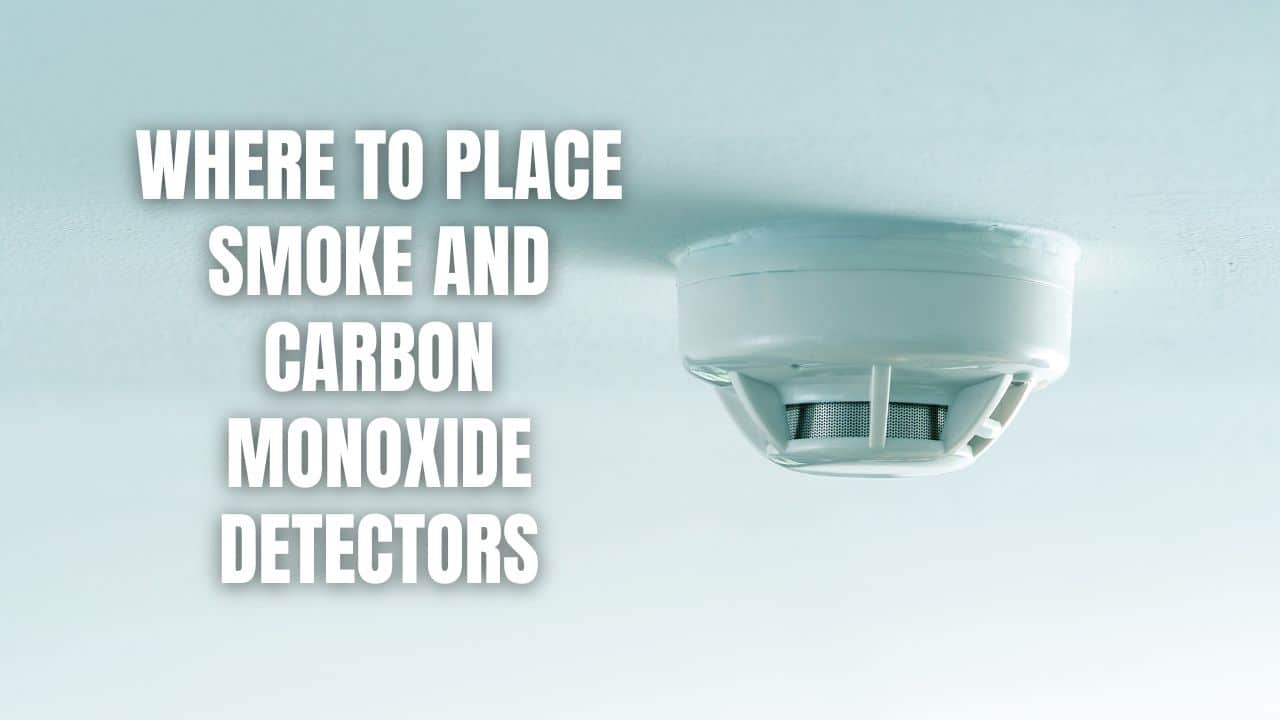
This means sticking your sensor way up on the ceiling, like a smoke detector, isn't always its most effective spot. And putting it right on the floor? Also not ideal. We’re looking for the Goldilocks zone here – not too high, not too low, but just right.
Where NOT to Put Your Sensor (And Why It’s Kinda Funny)
Before we reveal the sweet spots, let's chuckle at some places where your CO detector will be less of a guardian and more of a confused bystander:
- Right next to a window or door: Imagine trying to listen to a secret conversation with a hurricane blowing through! Drafts can mess with readings.
- In the garage: I know, I know, cars make CO. But a sensor here will be constantly screaming false alarms if you even think about starting your engine. Save the garage for your actual car.
- Too close to fuel-burning appliances: Your furnace or water heater might occasionally release a tiny, safe puff of CO. A sensor right on top of it is just asking for a panic attack.
- In the kitchen: Your stove is fine, but cooking can release gases that might fool your sensor. Nobody wants a CO alarm during dinner prep!
- Directly in sunlight or near heat sources: Extreme temperatures can affect the sensor's accuracy. It's like trying to think straight when you're super hot or cold!
The Sweet Spots: Where CO Sensors Truly Shine!
Alright, drumroll please! Here are the prime locations for your CO detector to be its most vigilant, silent guardian self:
1. Near Sleeping Areas (The Absolute MUST)
This is non-negotiable. Carbon monoxide poisoning often happens when people are asleep because they don’t notice symptoms. Place a detector within hearing range of everyone sleeping. So, outside bedrooms, in a central hallway, or even in larger master bedrooms. You want that alarm to wake you up!
2. Central Locations on Each Level
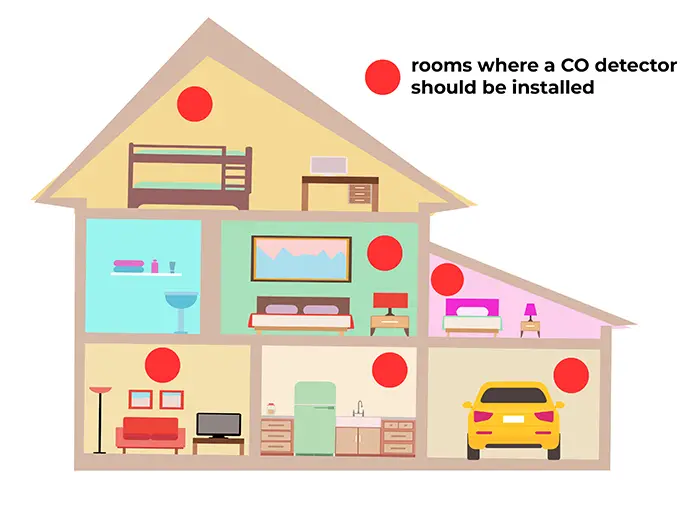
Remember how CO mixes with air? A detector placed centrally on each floor of your home gives it the best chance to detect spreading CO. Think hallways or common areas, rather than tucked away in a dusty corner. If you have a multi-story home, you need one on every single level, including the basement!

3. On a Wall, at Mid-Height
Because CO mixes, the ideal placement is usually on a wall, somewhere between waist height and head height. This is where people breathe and where CO is most likely to be detected as it spreads. It’s the "just right" spot we talked about!
4. Near Fuel-Burning Appliances (But Not Too Close!)
Think furnaces, water heaters, fireplaces, and gas dryers. These are potential CO sources. Place a detector in the same room, but at least 15-20 feet away from the appliance itself. This gives it a safe buffer from normal operation, preventing false alarms while still being close enough to catch a real leak.
5. In the Basement (Especially If It Has Appliances)
Basements often house furnaces, water heaters, and sometimes even cars (if you have an attached garage). A CO detector down there is a smart move. Remember, CO doesn't always rise; it simply disperses. If appliances are down there, that's where a leak might originate!
So, Why Is This Fun?
It's fun because it demystifies something crucial! Instead of just blindly sticking a gadget on the wall, you now understand the sneaky science behind invisible gases. You’re not just placing a sensor; you’re strategically deploying a tiny, silent superhero in your home. You're becoming a CO placement guru! How cool is that?
So next time you glance at your CO detector, give it a little nod of appreciation. And maybe, just maybe, double-check its spot. Your quick wit and newfound knowledge could make all the difference!