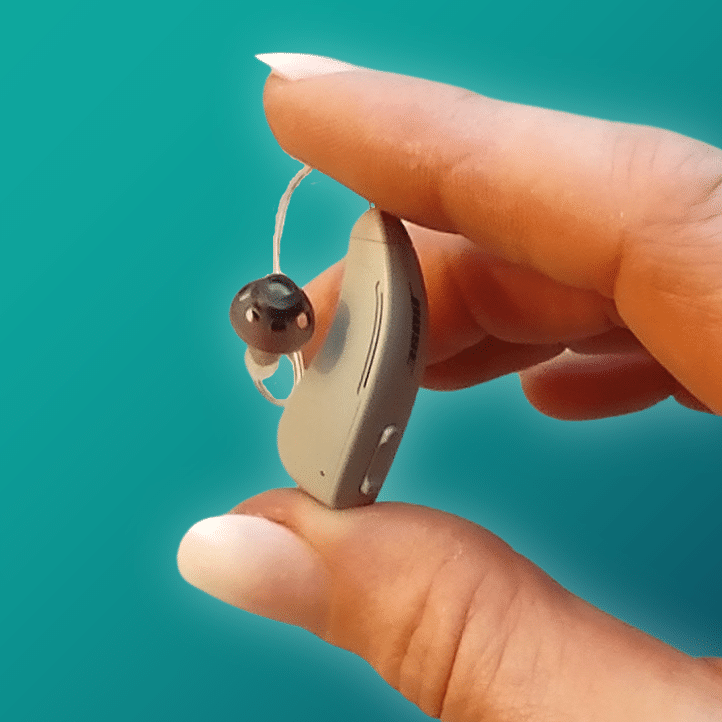
Best Hearing Aids For Tinnitus And Hearing Loss
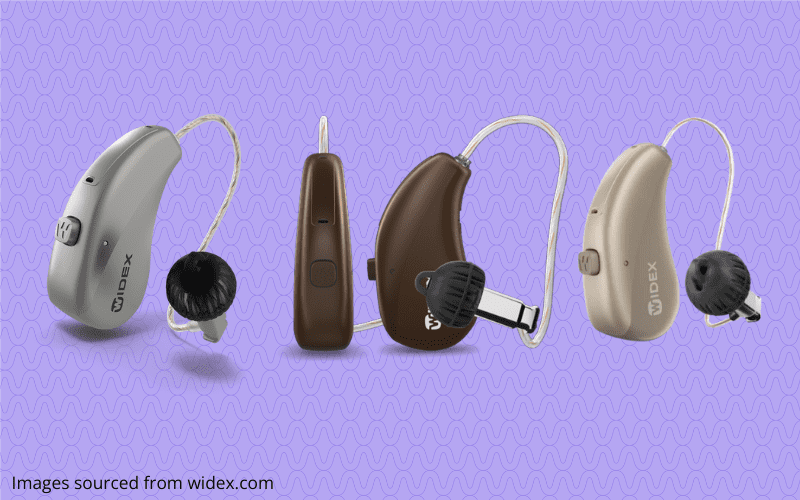
Okay, so picture this: My Uncle Jerry, bless his heart, has been battling tinnitus for years. He used to joke about hearing crickets 24/7. Then, it wasn't so funny anymore when he started missing half of what you said. "WHAT? SPEAK UP!" became his signature phrase. Turns out, he also had some hearing loss sneaking in there too. This whole situation got me thinking… what’s the deal with hearing aids and tinnitus? Can they actually help, or are they just another fancy gadget?
That’s what we're diving into today! Let's explore the wild world of hearing aids designed to tackle both the annoying hum of tinnitus and the challenge of hearing loss. Prepare to have your mind…slightly blown. (Okay, maybe just gently nudged. But still!).
Tinnitus & Hearing Loss: A Not-So-Dynamic Duo
First things first, let’s understand why these two often go hand-in-hand. Tinnitus (that ringing, buzzing, hissing – you name it – in your ears) is frequently a symptom of underlying hearing loss. When your ears aren't picking up certain sounds, your brain tries to compensate, sometimes resulting in those phantom noises. Think of it like your brain's way of saying, "Hey, something's not right here!".
Must Read
So, if you’re experiencing tinnitus, it's definitely worth getting your hearing checked. Seriously. Don’t be like Uncle Jerry and wait until you’re practically yelling at the TV. (No offense, Uncle Jerry!).
How Hearing Aids Can Help: It's All About Amplification (and More!)
The primary way hearing aids assist with tinnitus is by amplifying external sounds. This does a few crucial things:
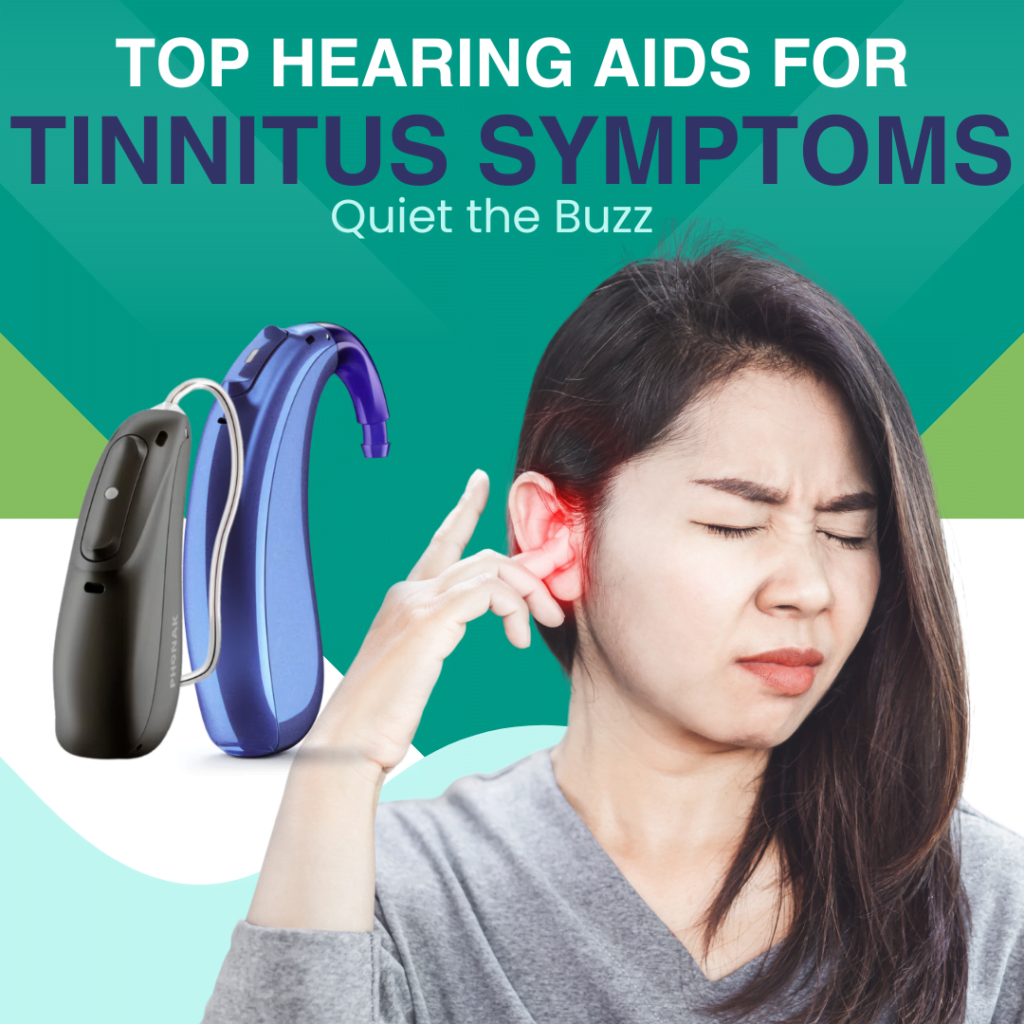
- Masking: By making ambient noises louder, the hearing aid can effectively "drown out" the tinnitus sounds. Think of it as turning up the volume on the radio to cover up the annoying hum of your refrigerator.
- Stimulation: Hearing loss can lead to auditory deprivation, which can exacerbate tinnitus. By providing sound stimulation, hearing aids help keep the auditory pathways active and reduce the brain's tendency to generate its own noises (i.e., tinnitus).
- Improved Communication: This one’s simple. When you can actually hear what people are saying, you’re less stressed and less focused on the tinnitus. Seriously, struggling to understand conversations is exhausting!
Essentially, hearing aids can help retrain your brain to focus on the sounds you should be hearing, rather than the ones that aren't actually there. It's like giving your brain a much-needed vacation from the internal noise.
Beyond Amplification: Tinnitus Maskers and Therapies
Some hearing aids also come equipped with features specifically designed for tinnitus management. These include:

- Tinnitus Maskers: These generate white noise, pink noise, or other soothing sounds to directly mask the tinnitus. They’re like little personal sound machines that live in your ears.
- Notch Therapy: This type of therapy identifies the specific frequency of your tinnitus and then filters it out, gradually reducing its prominence. Sounds a bit sci-fi, right?
It's important to remember that hearing aids aren't a cure for tinnitus. (Sadly, no magic bullet here!). But they can significantly reduce its impact on your life. Think of them as a powerful tool for managing the condition and improving your overall well-being.
Choosing the Right Hearing Aid: It's a Personal Journey
Finding the best hearing aid for tinnitus and hearing loss is a very individual process. What works for Uncle Jerry might not work for you (although, he’s pretty happy with his new ones!). Here are a few things to consider:
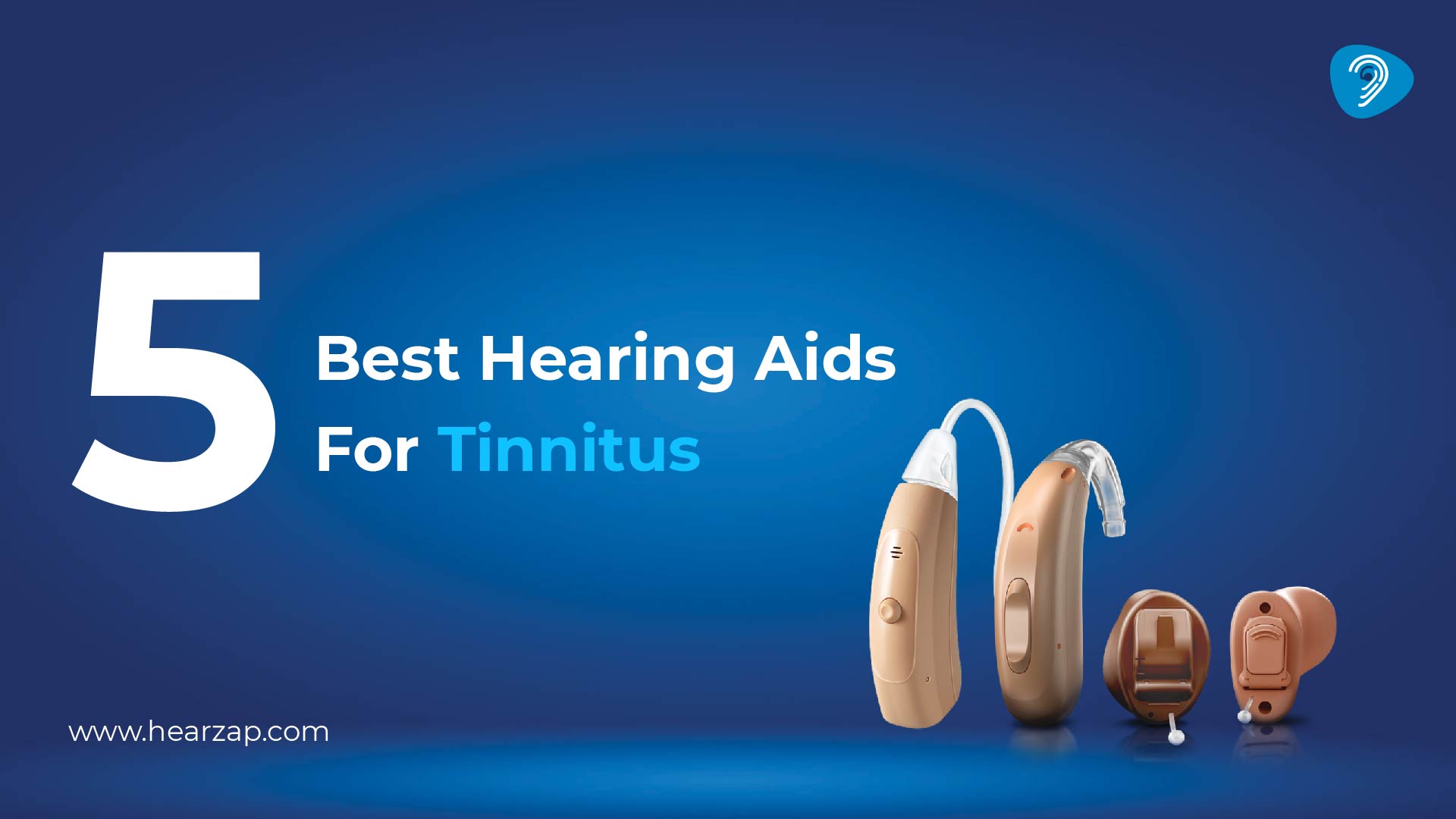
- Hearing Test: This is the crucial first step. A qualified audiologist can assess the extent of your hearing loss and identify the characteristics of your tinnitus.
- Lifestyle: Think about your daily activities and listening environments. Do you spend a lot of time in noisy places? Do you need a discreet device?
- Features: Discuss your specific needs and preferences with your audiologist. Do you want a hearing aid with built-in tinnitus maskers? Bluetooth connectivity? (For streaming podcasts, obviously!).
- Budget: Hearing aids can be a significant investment, so it's important to find one that fits your budget. Explore financing options and insurance coverage.
Ultimately, the best hearing aid is the one that provides you with the greatest relief from tinnitus and the most significant improvement in your hearing. Don't be afraid to try different models and ask lots of questions. This is your hearing we're talking about!
So, there you have it! Hopefully, this has shed some light on the role of hearing aids in managing tinnitus and hearing loss. Now, if you’ll excuse me, I need to call Uncle Jerry and see how he's enjoying the sound of silence (or, at least, the much-reduced sound of crickets!).