
Best Graphics Card For Autocad 3d Rendering

Alright, let's talk graphics cards! Specifically, the best one for AutoCAD 3D rendering. This is a topic that can cause some serious arguments online. But I'm here to offer my (potentially controversial) take.
Forget the marketing hype. Forget the benchmarks that seem to change every Tuesday. Let’s get real.
The Great Graphics Card Gamble
Choosing a GPU for AutoCAD feels like gambling sometimes. You read reviews, watch videos, and still feel unsure. It's like trying to pick the winning horse at the digital races.
Must Read
Everyone's shouting about quad cores and teraflops. You're just trying to rotate a 3D model without your computer sounding like a jet engine taking off.
So, here's my unpopular opinion:
The best graphics card for AutoCAD 3D rendering isn't always the most expensive one.
Gasp! I know, I know. Blasphemy!
Why the Top-End Might Be Overkill
Think about it. Are you designing the next Burj Khalifa? Or are you designing… well, you know… simpler things?

AutoCAD, while powerful, isn't always pushing the absolute limits of modern GPUs. A super fancy card can be like using a sledgehammer to crack a walnut. Expensive and messy.
A mid-range card often provides plenty of power. It’s enough to handle most 3D models without breaking the bank. Spend the extra cash on a better monitor or a comfy chair instead!
The Sweet Spot: Finding Your Perfect Match
So, what card am I actually recommending? I'm not giving specific brand names. But I will give you a general direction. Look for something in the mid-range.
Consider something from Nvidia's GeForce or AMD's Radeon lines. Aim for cards that are a generation or two behind the absolute latest models. They offer excellent value for money.

Why not the very newest? New releases often come with a hefty price premium. And honestly, the performance difference in AutoCAD might be negligible.
Consider Your Entire System
Don't forget the rest of your setup! A powerful graphics card is useless if it's bottlenecked by a slow processor or insufficient RAM.
Make sure you have a decent CPU (Intel Core i5 or AMD Ryzen 5 or better). And at least 16GB of RAM is recommended. 32GB is even better if you handle large, complex models.
A fast SSD for your operating system and AutoCAD installation is also crucial. It drastically improves loading times and overall responsiveness.
Don't Believe the Hype (Entirely)
Do your research, absolutely. Read reviews, compare benchmarks. But don't get bogged down in the technical jargon.
Think about your actual needs. How complex are your models? What resolution are you working at? What's your budget?
Ultimately, the best graphics card for you is the one that provides the best balance of performance and price for your specific workflow.
The "It Depends" Clause
Okay, okay, I know what you're thinking. "It depends!" You're right.
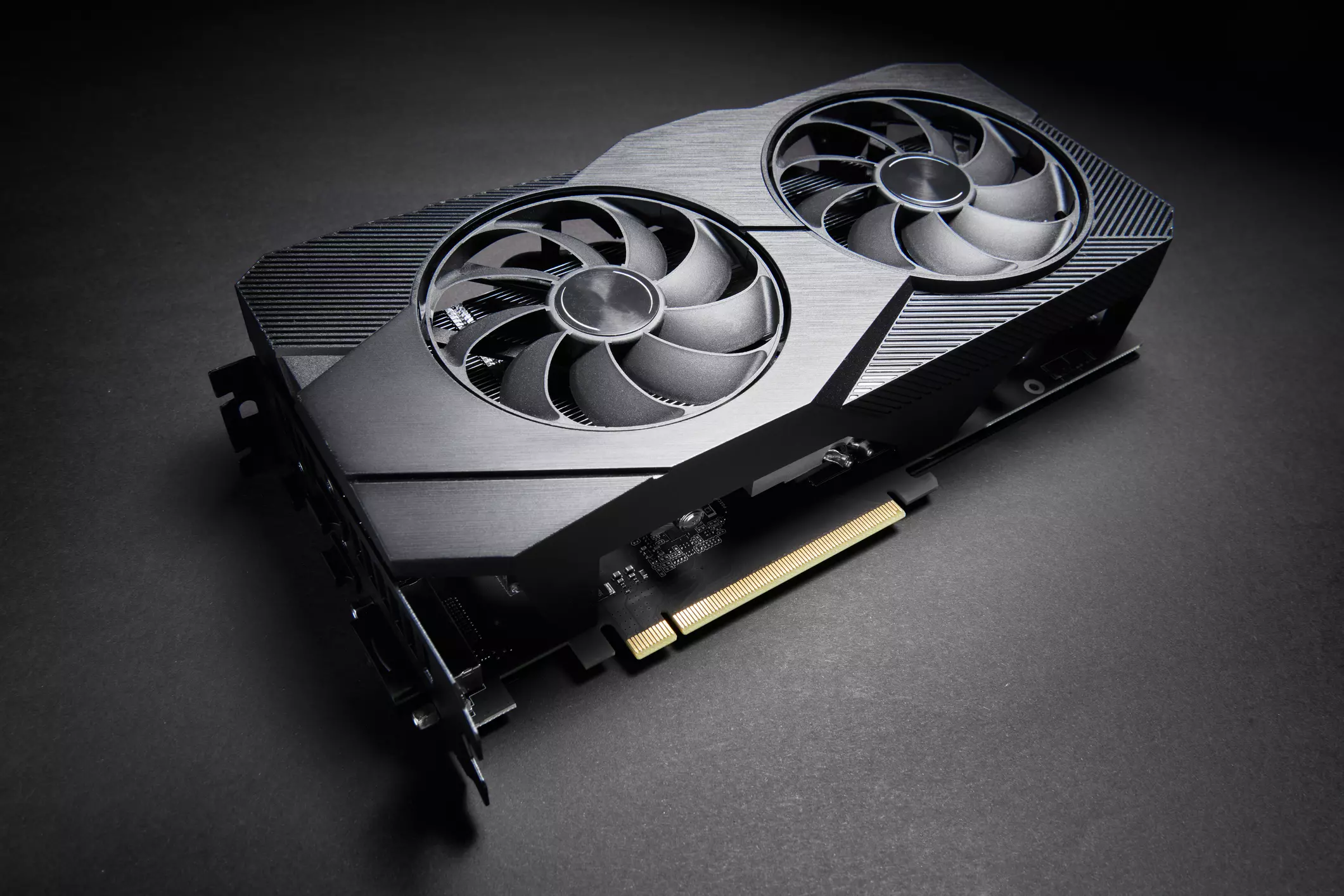
If you're doing heavy-duty rendering, simulation, or working with massive point clouds, then yes, you might need a more powerful card. Even a professional-grade Nvidia Quadro or AMD Radeon Pro might be necessary.
But for the vast majority of AutoCAD users, a mid-range gaming card is more than sufficient. It offers a sweet spot that lets you work efficiently without emptying your wallet.
My Final (Unpopular) Verdict
So, there you have it. My (possibly) controversial opinion on the best graphics card for AutoCAD 3D rendering.
Don't automatically assume you need the most expensive option. A well-chosen mid-range card can deliver excellent performance and save you a lot of money. Money that can be spent on pizza and CAD tutorials.
Now, go forth and design! And remember to save often!