
Best Coconut Oil For Dogs Skin

Let's talk about something that smells amazing, tastes delicious (well, to some!), and might just be a game-changer for your furry friend's skin: coconut oil. You might be wondering, "Coconut oil? For my dog?" Absolutely! It's not just for cooking or moisturizing your own skin anymore. Learning about coconut oil for dogs is not only fun because it unlocks a new, natural way to care for your pet, but also because it highlights the incredible versatility of natural products.
So, what's the big deal? The purpose of using coconut oil on your dog's skin is to provide moisturization, relief from itching, and potentially even help with minor skin irritations. The magic lies in the medium-chain fatty acids (MCFAs) found in coconut oil, like lauric acid. These fatty acids have antimicrobial and anti-inflammatory properties. This means coconut oil can help fight off bacteria and soothe irritated skin. But remember, it's not a cure-all, and a vet's advice is always paramount for persistent or severe skin issues.
What are the benefits in practice? Imagine your dog suffers from dry, flaky skin, especially during the winter months. Applying a thin layer of coconut oil to their coat can help lock in moisture and reduce that annoying itch. Or perhaps your pup has a minor hot spot. The anti-inflammatory properties of coconut oil could help soothe the area and promote healing. It's even been suggested that regular topical use can improve the overall condition of your dog's coat, making it shinier and healthier looking. Many owners also use it to help soothe cracked paws, a common problem after walks on hot pavement or icy sidewalks.
Must Read
Let's look at some concrete examples. Say you're bathing your dog. After drying them, you can gently rub a small amount of coconut oil into their coat, focusing on dry or irritated areas. Or, if you notice your dog scratching excessively, you can apply a thin layer of coconut oil directly to the affected area. Remember to use it sparingly! A little goes a long way. You can also add a small amount of coconut oil to their food. While this is primarily for internal health benefits (like improved digestion), some believe it can contribute to healthier skin from the inside out. Always start with a very small amount (like ¼ teaspoon for a small dog, increasing gradually) to avoid digestive upset.
Ready to explore the world of coconut oil for your canine companion? Here are some practical tips. First, always choose unrefined, virgin coconut oil. This type is the least processed and retains the most beneficial properties. Second, do a patch test before applying coconut oil liberally. Apply a small amount to a discrete area of your dog's skin and observe for any adverse reactions (like redness or increased itching) for 24 hours. Third, be mindful of the potential for greasiness. Don't overdo it! It's better to apply a small amount and reapply as needed. Finally, remember that coconut oil is not a substitute for veterinary care. If your dog has persistent skin issues, consult with your vet for a proper diagnosis and treatment plan. With a little experimentation and careful observation, you might find that coconut oil is a wonderful addition to your dog's skincare routine.


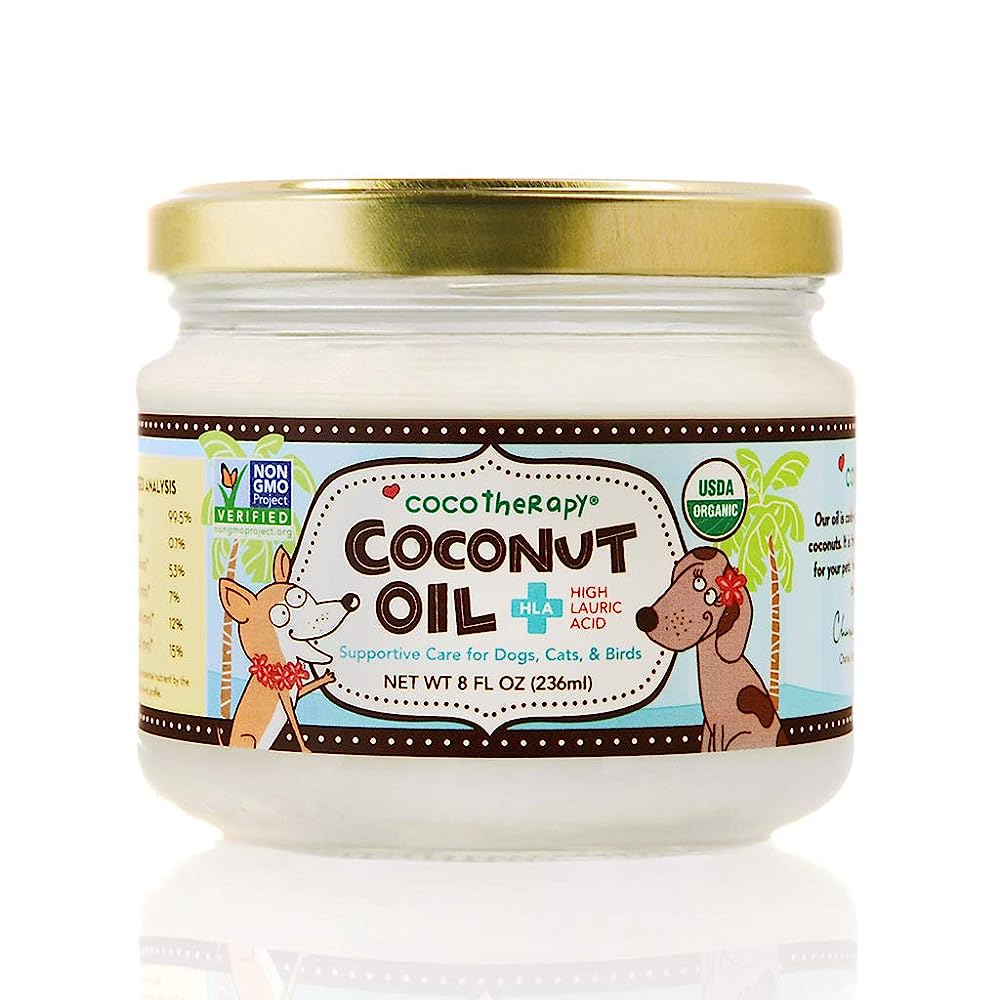
:strip_icc()/raw-paws-virgin-organic-coconut-oil-for-dogs-and-cats-f090aef401d34ba4aa34a69ffc43fa23.jpg)