Average Cost Of Electricity In The Us
Ah, electricity! It’s the silent hum behind every modern convenience, the unseen force that powers our lives from the moment we wake up until we drift off to sleep. We often take it for granted, but just imagine a world without it. No morning coffee brewed, no phone charged, no fridge keeping our food fresh, and certainly no binge-watching your favorite show. It’s a product we use constantly, and yet, how often do we really think about its journey to our outlets, or what it costs?
Electricity is, without a doubt, the ultimate enabler of our contemporary existence. Its primary purpose is to transform energy into light, heat, motion, and data, making our homes comfortable, our work efficient, and our leisure infinitely more enjoyable. It keeps us connected, allows us to learn, and literally illuminates our world after dark. From the hum of the air conditioner on a sweltering summer day to the comforting glow of a bedside lamp, electricity serves an incredible multitude of functions, acting as the very heartbeat of our daily routines.
Think about it: Your morning starts with an electric alarm clock (or phone charger), followed by the electric kettle for tea or coffee, and perhaps the toaster for breakfast. Throughout the day, your computer hums, your phone stays charged, and your refrigerator diligently preserves your groceries. In the evening, the television flickers to life, the washing machine tackles laundry, and the oven bakes dinner. Even your kids' gaming consoles are hard at work, drawing power to create those immersive virtual worlds. These are just a few of the countless ways electricity quietly weaves itself into the fabric of our lives, making everything easier, faster, and more comfortable.
Must Read
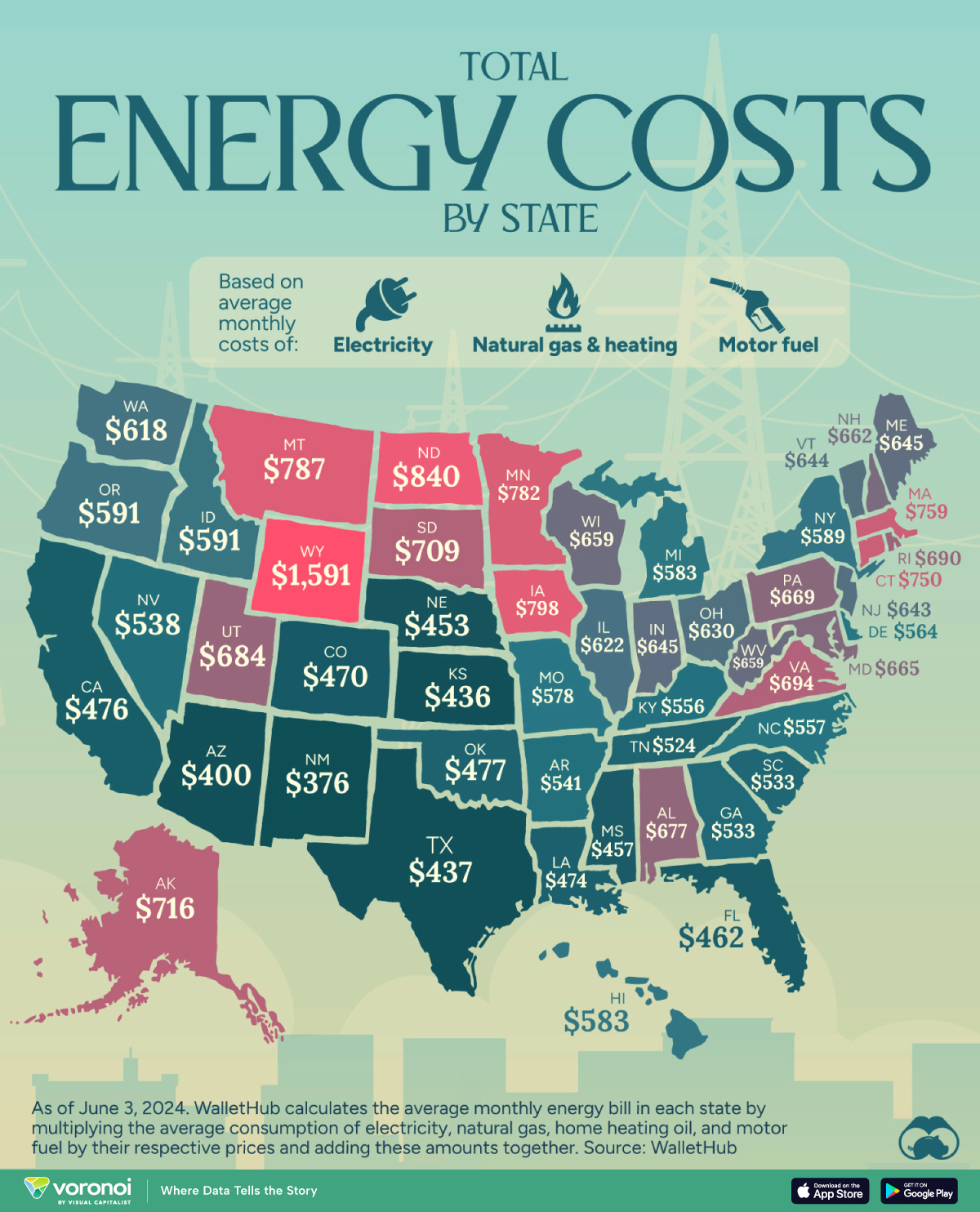
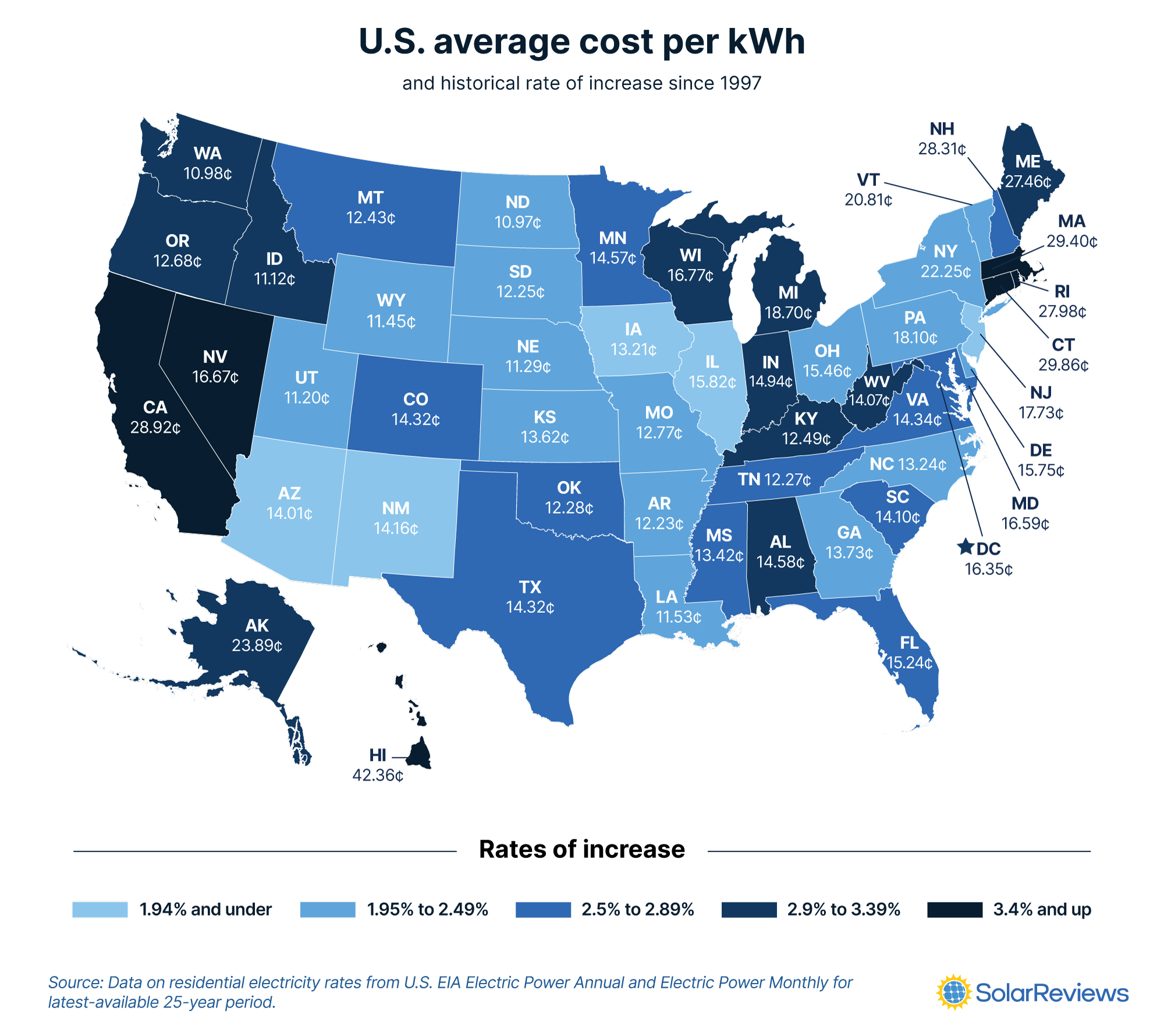
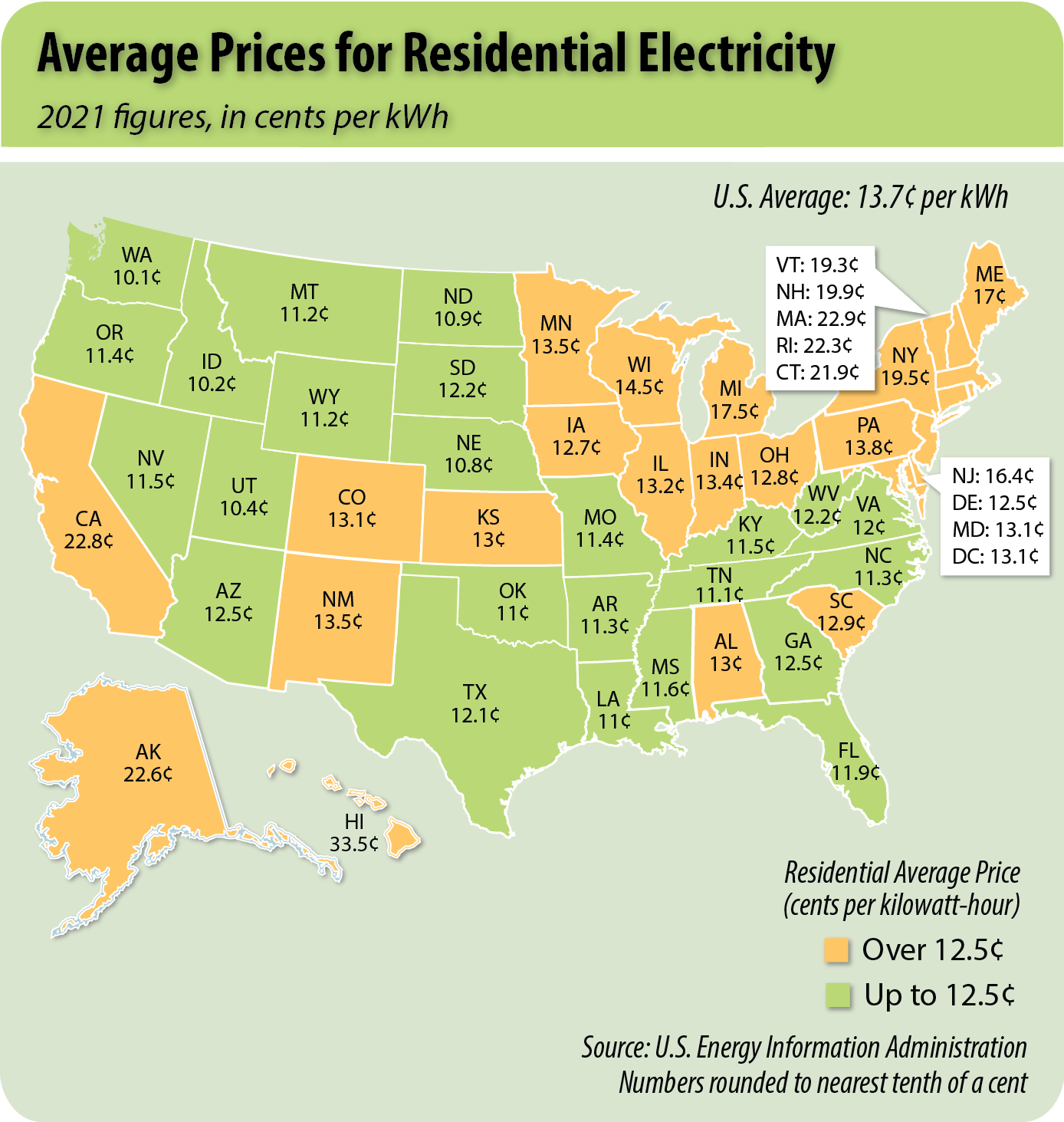
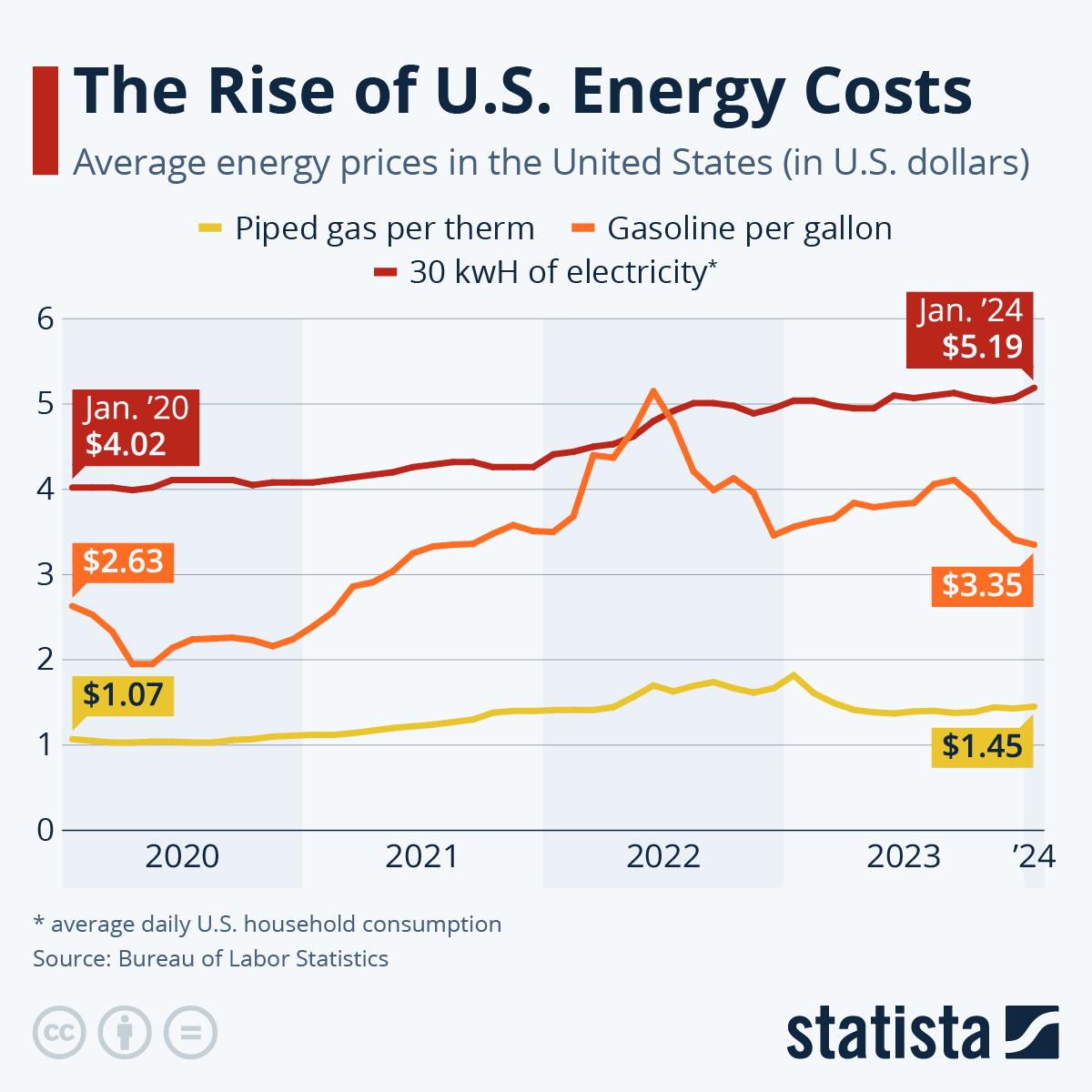
So, what's the magic number for this ubiquitous necessity? The average cost of electricity in the US fluctuates, but generally hovers around 15 to 17 cents per kilowatt-hour (kWh) for residential customers. However, this is just an average! The price you pay can vary wildly depending on where you live. States with abundant natural gas or hydro resources might see lower rates, while others relying on more expensive generation or facing higher demand could pay significantly more. For instance, some Northeastern states or California might see rates well above 20 cents/kWh, while parts of the Pacific Northwest can enjoy prices closer to 10 cents/kWh.
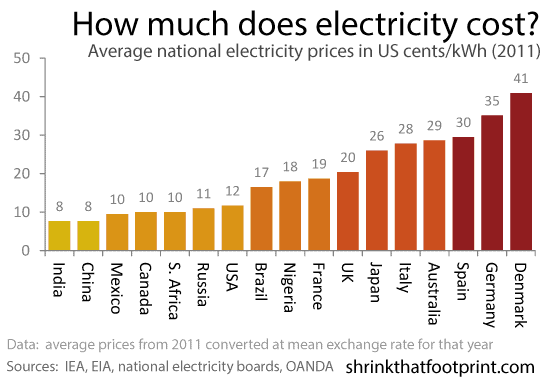
Want to "enjoy" your electricity more effectively – which really means managing its cost and environmental impact? Here are some practical tips:
- Embrace LED Lighting: These bulbs use significantly less energy and last much longer than traditional incandescent bulbs.
- Unplug Phantom Loads: Many electronics draw power even when turned off (think phone chargers, TVs, game consoles). Unplug them or use smart power strips.
- Optimize HVAC Usage: Your heating and cooling systems are usually the biggest energy hogs. Use a smart thermostat, ensure your home is well-insulated, and set reasonable temperatures.
- Invest in Energy-Efficient Appliances: Look for the ENERGY STAR label when buying new appliances; they're designed to use less power.
- Understand Peak vs. Off-Peak Rates: Some utility companies charge different rates depending on the time of day. If yours does, run high-consumption appliances (like dishwashers or washing machines) during off-peak hours to save money.
- Regular Maintenance: Keep your refrigerator coils clean and HVAC filters changed for optimal performance and lower energy draw.
By understanding the average cost and implementing a few smart habits, you can take control of your energy consumption, making sure that the magic of electricity continues to serve you effectively, without giving your wallet a shock!