
Are Real Christmas Trees A Fire Hazard

Hey there, fellow holiday enthusiasts! Picture this: a cozy living room, twinkling lights, the gentle scent of pine wafting through the air, and a beautiful, real Christmas tree standing proud. Ah, the magic! But then, a little voice in the back of your head (or maybe your Aunt Carol's) pipes up with the classic question: "Isn't that thing a huge fire hazard?"
It's a worry as old as tinsel itself, isn't it? The image of a Christmas tree going up in flames is practically a movie trope, right alongside the grumpy Grinch and the last-minute shopping rush. But here's the thing: while it's super smart to be safety-conscious, are real Christmas trees truly the ticking time bombs we sometimes imagine them to be?
Let's Get Real About the Real Tree Risk
Honestly, the short answer is: not really, if you treat them right! Think of it like this: your kitchen stove can cause a fire, but you don't stop cooking, do you? You just use it responsibly. The same chill vibe applies to your festive evergreen.
Must Read
When we talk about fire hazards, it's often a case of misunderstanding or, frankly, a bit of cinematic exaggeration. The reality is, according to the National Fire Protection Association (NFPA), Christmas tree fires are actually quite rare. We're talking about a tiny fraction of home fires each year. And when they do happen, there are usually specific, preventable reasons behind them.
The Big "What If?" - It's All About Freshness & Thirst!
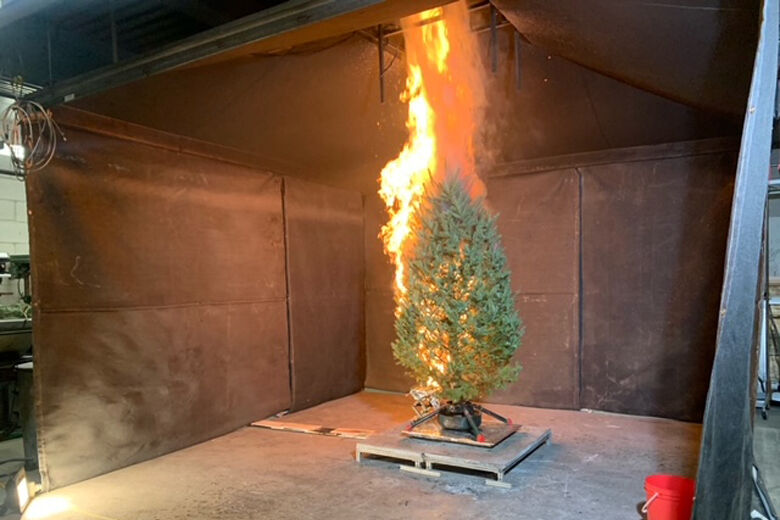
So, what makes a tree a potential hazard? It almost always boils down to one critical factor: dryness. A fresh Christmas tree is like a vibrant, living sponge. It’s full of water! And water, as we all know, is pretty terrible at catching fire. A dried-out tree, however, is a different story. It's more like kindling, ready to snap and, well, burn.
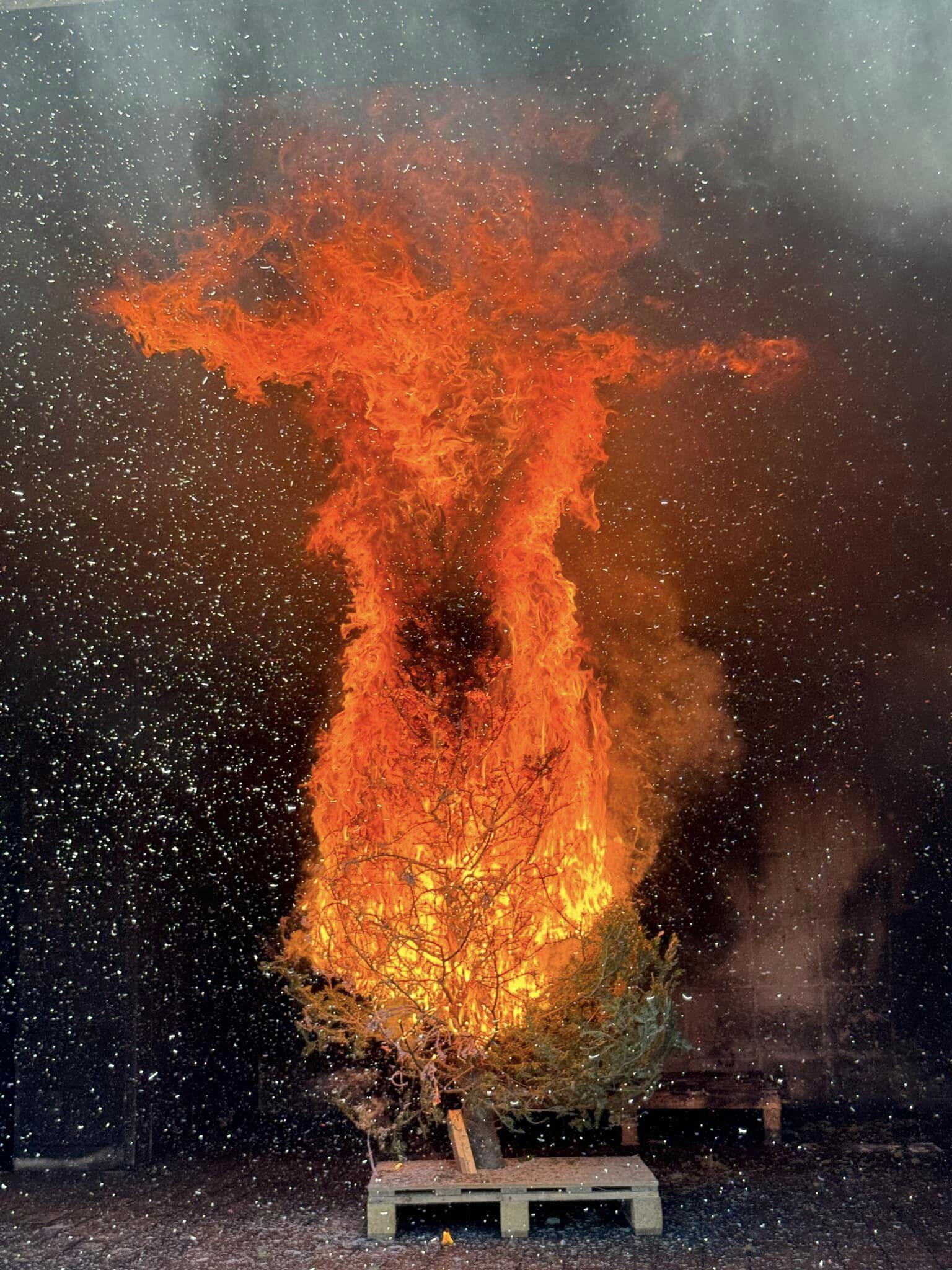
Imagine trying to light a freshly picked leaf versus a super dry, crunchy one that’s been baking in the sun for weeks. See the difference? That's your Christmas tree!
How do you spot a fresh tree? Give it a little shake. If a shower of needles falls off, that tree has seen better days. You want one where the needles are firmly attached and feel supple, not brittle. Another trick: bend a few needles. If they snap, it's dry. If they bend gracefully, you're golden!
Hydration Station: Your Tree's Best Friend
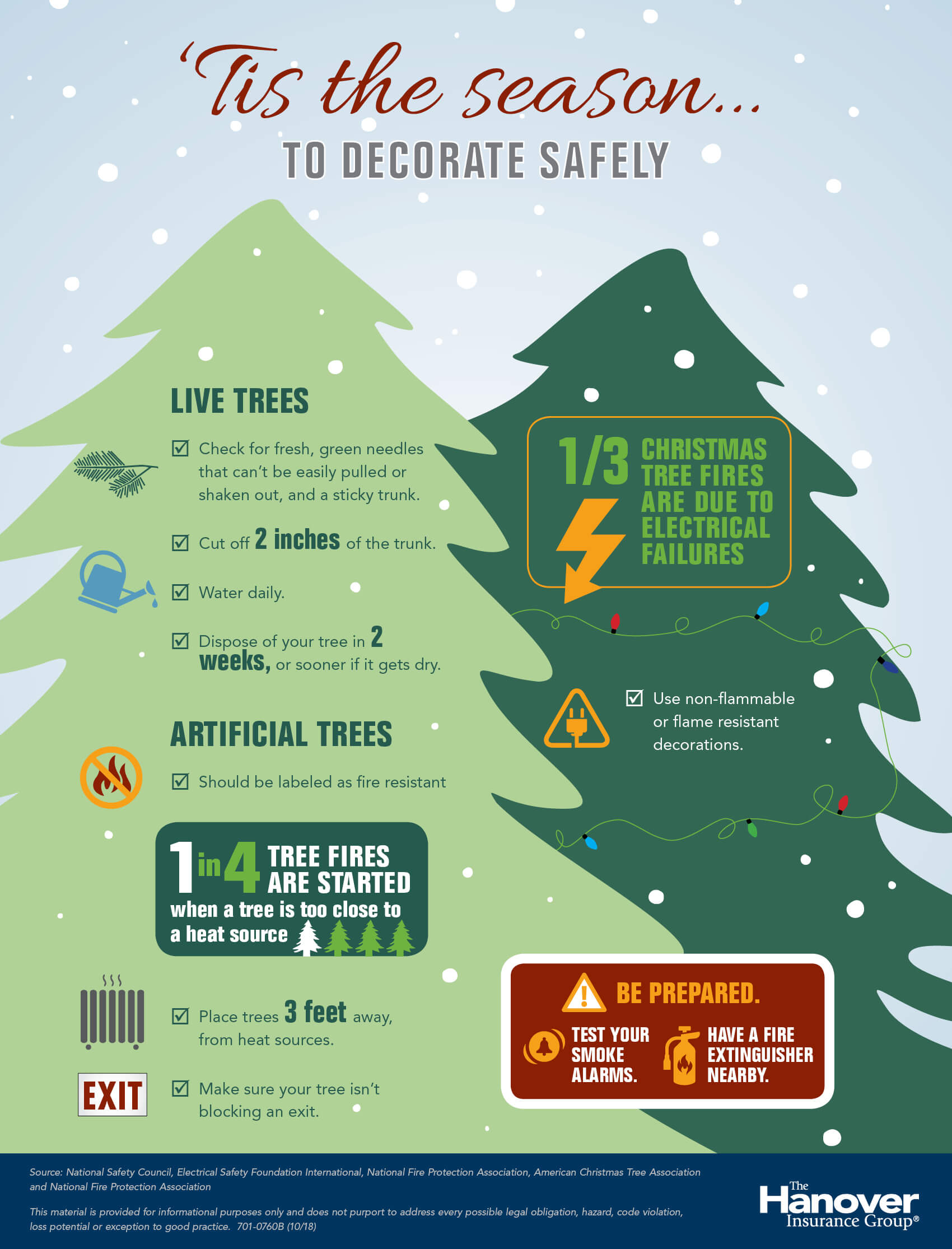
Once you get that beautiful, fresh tree home, its number one mission in life is to drink, drink, drink! Think of your tree as an Olympic athlete right after a marathon. It's parched! Cut about an inch off the bottom of the trunk (this opens up the pores for water absorption, like giving it a fresh straw) and immediately place it in a stand filled with water.
And here's the crucial part: keep that stand full! Especially during the first week, your tree will be super thirsty, sometimes guzzling a gallon of water a day. Neglecting this is like trying to drive your car without gas; it just won't work well, and it won't be safe.
Pro Tip: Check the water level daily. Don't let it run dry! Once the water level dips below the base of the trunk, a seal can form, and the tree stops drinking even if you refill it. Game over for optimal hydration and safety.
The Real Culprits: Lights & Location
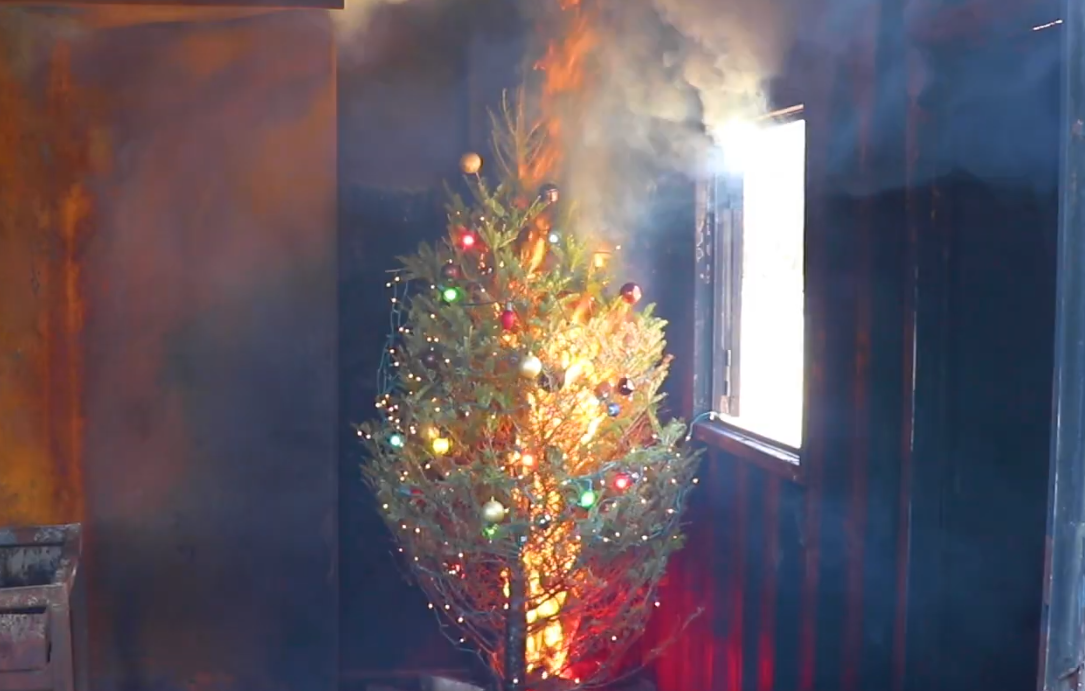
If there's a villain in our Christmas tree fire story, it's almost never the tree itself. More often, it's faulty electrical lights, overloaded extension cords, or heat sources placed too close.
- Old, Damaged Lights: Are your lights from the Stone Age? Frayed wires, cracked sockets, or bulbs that randomly flicker can generate heat and sparks. Opt for newer LED lights, which run cooler and are far more energy-efficient.
- Overloaded Outlets: Trying to plug in every single holiday decoration into one extension cord is asking for trouble. Spread the electrical load, or better yet, use a power strip with a built-in circuit breaker.
- Too Close to the Fireplace: This seems obvious, but it's worth repeating. Keep your tree a safe distance from fireplaces, space heaters, candles, and even heat vents. You want to bask in its glow, not literally bask in its heat!
So, when you're decking the halls, remember to give your electrical setup a quick safety check. It's like giving your tree a proper health check-up before the big party!
The Grand Finale: Disposal
When the holidays are over, and your tree has served its festive purpose, don't let it linger indoors to become a dry fire hazard. Once it starts dropping needles profusely, it's time to say goodbye. Many communities offer tree recycling programs – it's an easy, eco-friendly, and safe way to dispose of your tree.
The Takeaway: Chill Out, But Be Smart!
So, are real Christmas trees a fire hazard? The answer is a resounding "not if you treat them with a little TLC!" With a fresh start, plenty of water, safe lighting, and smart placement, your real Christmas tree is far more likely to fill your home with joy and that incredible piney scent than it is to cause a problem.
Embrace the tradition, enjoy the beauty, and rest easy knowing that with a few simple steps, your festive centerpiece is safe, sound, and ready to make some magical memories. Happy holidays, everyone!