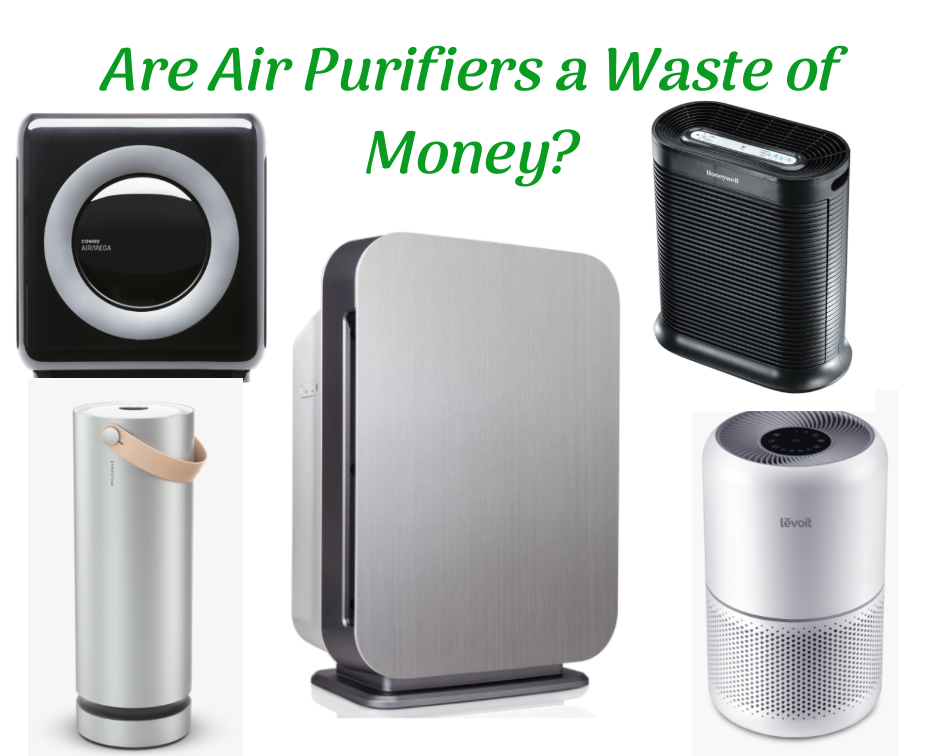
Are Air Purifiers A Waste Of Money

So, you're wondering about air purifiers, huh? Are they just fancy dust collectors that drain your wallet and hum annoyingly in the corner, or are they actually worth the hype? Let's dive in, not with scientific charts and complicated jargon, but with a healthy dose of reality (and maybe a sprinkle of absurdity).
Think of your home as a cozy little ecosystem. Except, instead of majestic lions and graceful gazelles, you've got dust bunnies multiplying under the sofa and the lingering aroma of last night's garlic-infused dinner. And let's not forget those sneaky allergens, silently plotting their attack on your sinuses.
Now, picture this: Aunt Mildred comes to visit. Aunt Mildred, bless her heart, brings with her a cloud of perfume so potent it could knock out a small rhinoceros. You love Aunt Mildred, of course, but you also value your ability to breathe. This, my friends, is where the air purifier struts onto the stage like a superhero in a slightly oversized cape.
Must Read
Seriously, imagine the relief of watching that little machine whir into action, sucking up Aunt Mildred's olfactory assault like a tiny, diligent vacuum cleaner for the air. Suddenly, you can smell... well, almost nothing! And that, in this situation, is a definite win.
But beyond dodging pungent perfumes and conquering cooking fumes, air purifiers can actually make a real difference, especially if you have allergies or asthma. It's like having a tiny, tireless bodyguard protecting you from the invisible irritants that make you sneeze and wheeze. For allergy sufferers, this is a game changer.
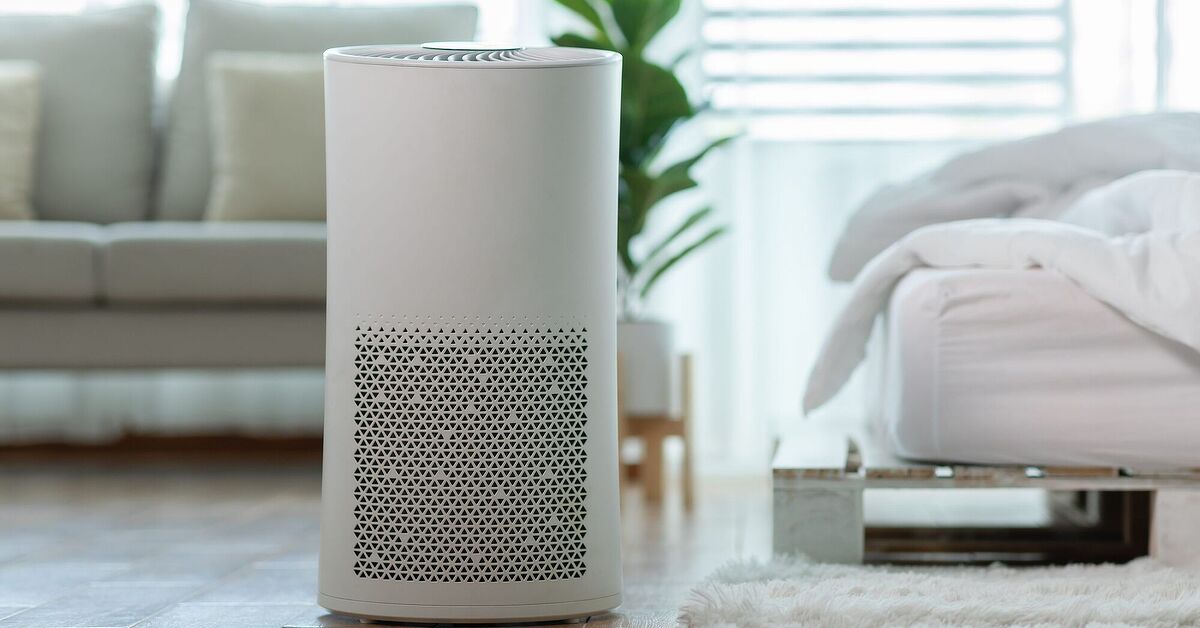
I remember when my friend Sarah got an air purifier. She used to wake up every morning with a stuffy nose and itchy eyes, a constant reminder of her dust mite allergy. After a week of using her new air purifier, she called me, practically singing. "I can breathe!" she exclaimed. "I feel like a brand new woman!" Okay, maybe she was exaggerating a little, but the point is, it made a noticeable difference in her quality of life.
Now, let's be honest, air purifiers aren't miracle workers. They won't magically transform your home into a sterile laboratory. And they definitely won't do your laundry or walk the dog (though, wouldn't that be amazing?). But they can help to improve the air quality in your home, which can lead to a whole host of benefits, from better sleep to fewer allergy symptoms.

The Great Filter Debate
Of course, not all air purifiers are created equal. Some are more powerful than others, and some are better suited for certain types of pollutants. And then there's the whole filter thing. HEPA filters, activated carbon filters, pre-filters... it can all get a bit confusing. Don't get bogged down in the details. Just remember the basics: a good HEPA filter is your friend when it comes to trapping dust, pollen, and pet dander. And an activated carbon filter can help to remove odors and gases.
Think of the filter as the air purifier's stomach. You need to feed it good stuff (clean air) and occasionally empty it out (replace the filter). Otherwise, it'll get clogged and start to smell funky. And nobody wants a funky air purifier.

“The EPA recommends air cleaning, along with source control and ventilation, as a strategy to reduce indoor air pollution.” - Environmental Protection Agency
So, are air purifiers a waste of money? It depends. If you're expecting them to solve all your life's problems, then you're probably going to be disappointed. But if you're looking for a way to improve the air quality in your home and alleviate allergy symptoms, then they can be a worthwhile investment. And who knows, maybe they'll even save you from Aunt Mildred's perfume.
Ultimately, the decision is up to you. But if you're on the fence, consider this: wouldn't it be nice to breathe a little easier? Maybe, just maybe, that little humming box in the corner could make a surprisingly big difference.
Just remember to change the filters. No one wants a stale air soufflé.