
Aps Cost Per Kilowatt Hour

Okay, so picture this: it’s the peak of Arizona summer, about 115 degrees outside (because, of course, it is). You’ve got your AC unit working harder than a one-man band at a toddler’s birthday party, just trying to keep your living room from turning into a sauna. You’re chilling, literally, thinking about how glorious that cold air feels, and then it arrives. The APS bill.
You know the feeling, right? That moment of dread as you tear open the envelope (or click the email, because we’re modern folks). Your eyes scan down, past the account number and the usage graph that always seems to be spiking, until you hit that glorious, terrifying number at the bottom. And then, you think, "How? How did it get this high? Am I secretly powering a small city?"
It’s a tale as old as time, or at least as old as air conditioning in the desert. But here’s the kicker: beneath that big, scary total is a much smaller, but infinitely more important number that dictates it all. It’s the APS cost per kilowatt-hour. And if you’ve ever stared at your bill wondering what a "kilowatt-hour" even is, you’re in good company. Let’s unravel this mystery together, shall we?
Must Read
What Even Is a Kilowatt-Hour? (And Why Should You Care?)
First things first, let’s demystify the star of our show: the kilowatt-hour, often abbreviated as kWh. Think of it as the standard unit for measuring electricity consumption, much like how miles per hour measures speed, or gallons measure how much gas you put in your car. One kilowatt-hour means you’ve used 1,000 watts of power for one hour. So, if you have a 100-watt light bulb on for 10 hours, that’s 1,000 watt-hours, or 1 kWh. Simple, right? (ish).
Your entire APS bill is essentially a tally of how many kWhs you’ve used, multiplied by their specific rate. Knowing this little tidbit is your first step towards becoming an energy guru, or at least someone who can confidently grumble about their bill with actual data.

APS and the Ever-Shifting Sands of Pricing
Now, here’s where it gets a little more complex, because APS isn’t just charging you one flat rate for every kWh you use. Oh no, that would be too easy! APS, like many utilities, employs various rate plans, and the most common (and often most impactful for your wallet) are Time-Of-Use (TOU) plans.
What does that mean? It means the price you pay for that kWh changes depending on when you use it. Yup, you heard that right. Running your dishwasher at 3 PM on a weekday (peak hours!) could cost you significantly more than running it at 10 PM (off-peak hours). It’s like surge pricing for your electricity, but for your house!
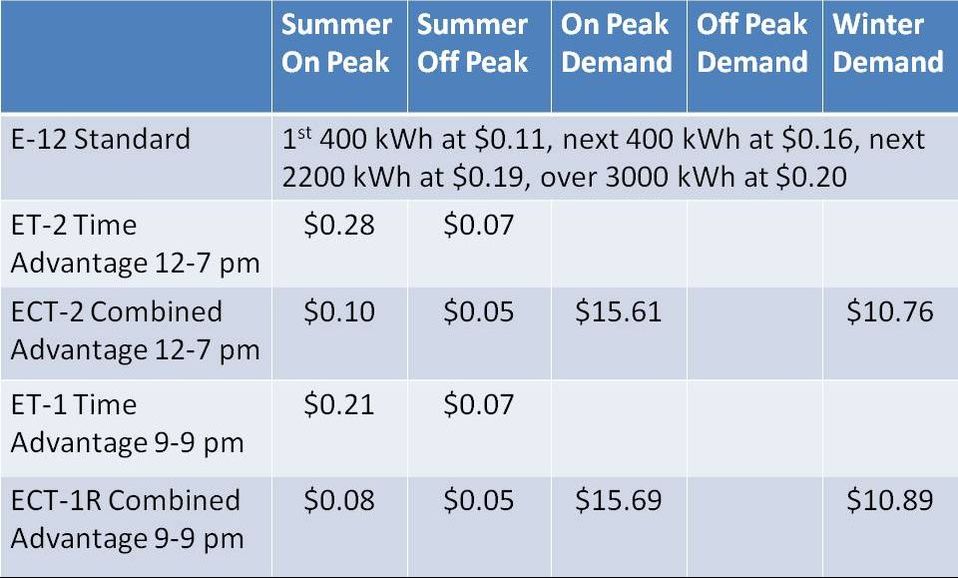
APS has different TOU plans, each with its own set of peak and off-peak hours, and corresponding rates. Some plans also have demand charges, which means you’re charged based on your highest hour of electricity usage during a billing cycle. Because who doesn't love a good puzzle, especially when it involves their wallet?
Breaking Down Your Bill: It’s More Than Just the kWh Rate!
It would be nice if your bill was just `(kWh used) x (cost per kWh) = total`, wouldn't it? But alas, there are other components at play. When you look at your APS bill, the "cost per kilowatt-hour" you’re paying is actually made up of several charges:
- Energy Charge: This is the big one, covering the actual electricity generation. This is where your TOU rates come into play.
- Transmission Charge: For getting the power from the plant to your neighborhood.
- Distribution Charge: For delivering the power the last mile to your home.
- Basic Service Charge: A fixed monthly charge just for being connected to the grid.
- Various Riders and Surcharges: These can include things like environmental programs, taxes, and other regulatory costs.
So, while the energy charge might be, say, $0.10/kWh during off-peak, the all-in cost per kWh (when you factor in everything else) can be significantly higher. It’s like buying a concert ticket and then realizing there are "convenience fees," "venue fees," and a "small service charge for the oxygen you breathe" added on.
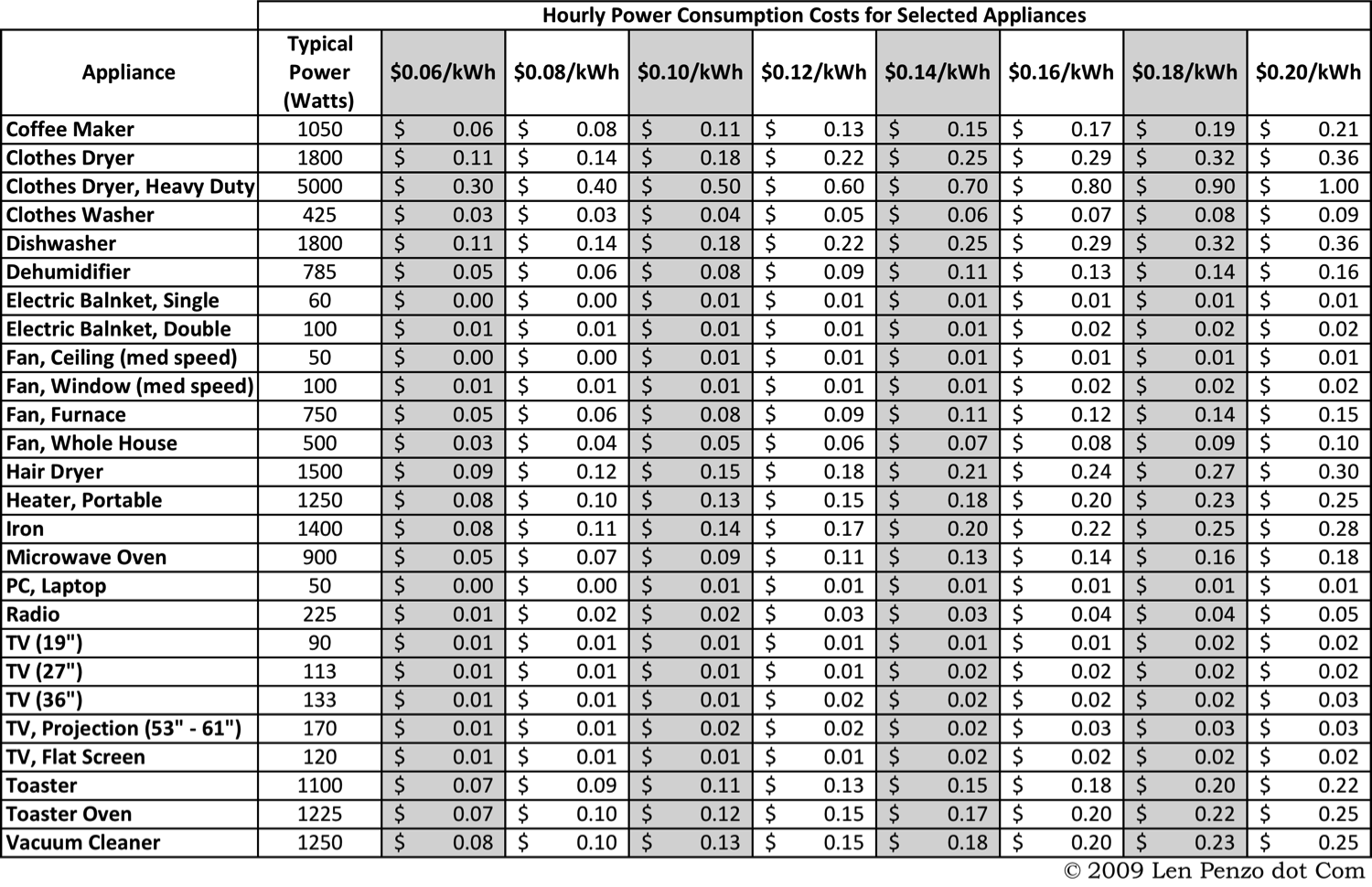
So, What's Your APS Cost Per Kilowatt-Hour?
Alright, down to brass tacks: what is your specific rate? The short, somewhat frustrating answer is: it depends entirely on your specific APS rate plan and the time of day. You won't find one single, universal "APS cost per kWh" that applies to everyone at all times.
The best place to find your current rates is on your monthly APS bill or by logging into your APS online account. They typically break down the rates for peak and off-peak periods, and sometimes even super off-peak. Look for terms like "Energy Charge," "Summer Peak," "Winter Off-Peak," etc.
Understanding these numbers is powerful! It’s the difference between blindly paying your bill and strategically managing your electricity usage to save some dough. And who doesn't love saving dough?
Taming the Electric Beast: Practical Tips
Once you know your plan and its peak hours, you’re armed with knowledge. Here’s what you can do:
- Shift Usage: Program your dishwasher, washing machine, and dryer to run during off-peak hours.
- AC Management: Use a smart thermostat to pre-cool your house before peak hours hit, and then set it a few degrees higher during peak. Every degree counts, especially with APS’s rates!
- Unplug "Vampire" Devices: Electronics still draw a little power even when turned off but plugged in. Unplugging them can chip away at your kWh usage.
- LED Everything: If you haven't switched to LED light bulbs yet, what are you waiting for? They use a fraction of the electricity incandescent bulbs do.
At the end of the day, understanding your APS cost per kilowatt-hour isn't just about crunching numbers; it's about empowerment. It’s about taking control of that dreaded summer bill and turning you from a passive payer into an active energy manager. So go forth, check your bill, know your rates, and start saving! Your wallet (and probably your sanity) will thank you.