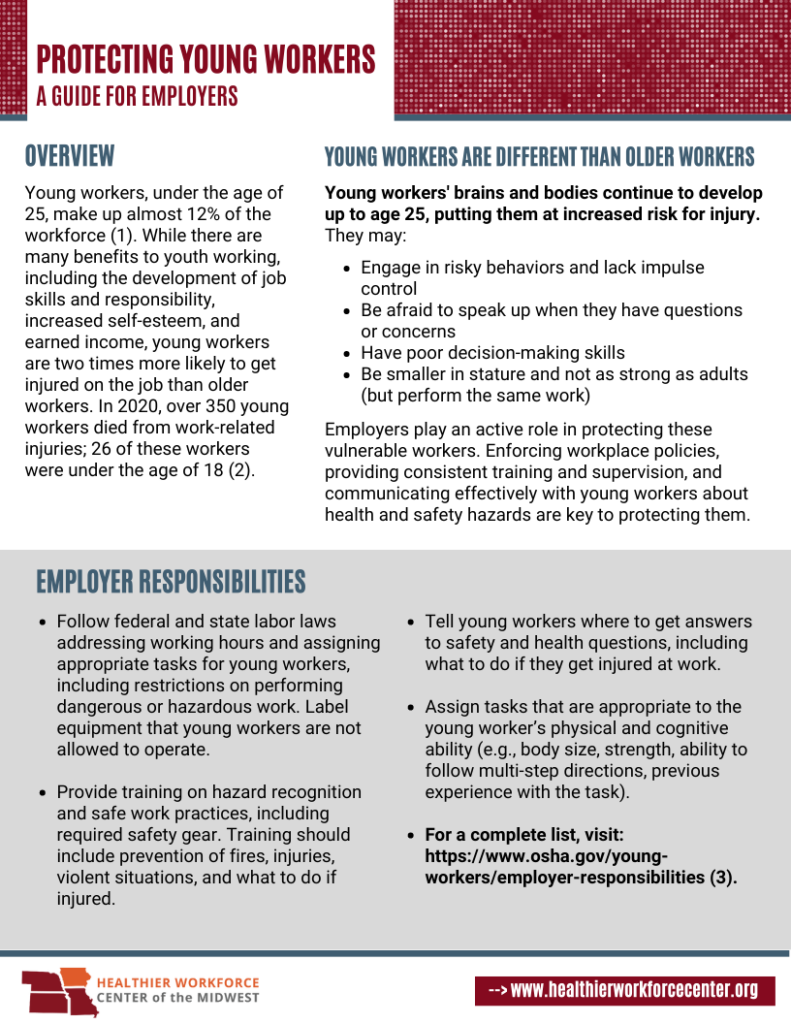
Among The List Of Ways Workers Can Protect

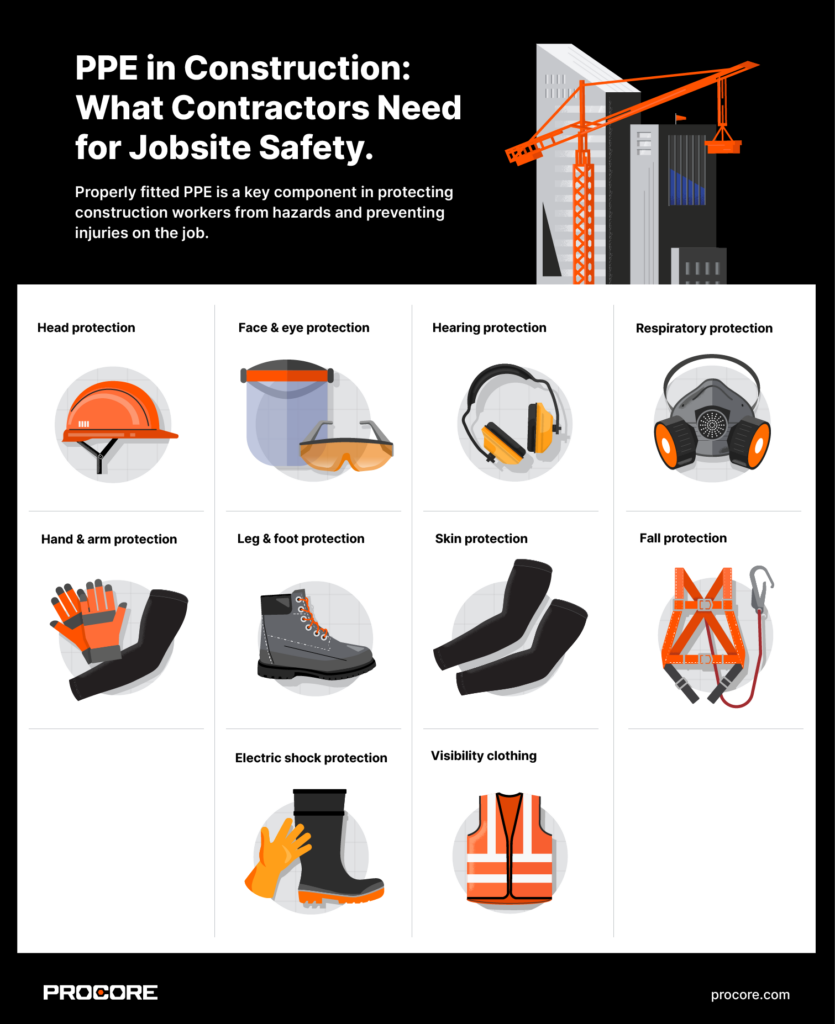
Ever found yourself scrolling through job listings or chatting with friends about work, and a little thought pops into your head: how do we really keep ourselves safe and sound in the big, bustling world of work? It’s a pretty cool question, actually, because "protecting yourself" isn't just about hard hats and safety goggles (though those are super important!). It’s about a whole universe of smart moves that can make your working life feel more stable, more fulfilling, and, frankly, a lot less stressful.
Think of it like building your own personal superhero toolkit. You're not waiting for a crisis; you're just equipping yourself with some awesome gadgets and secret powers. Let's dive into some of the neat ways workers are doing just that, making their professional journeys not just safe, but truly thriving.
Knowing Your Stuff: The Power of Information
First up, and probably one of the most underrated superpowers out there, is simply knowing your rights. It sounds a bit formal, doesn't it? But really, it’s like having a secret decoder ring for your employment contract or company policies. Imagine trying to play a board game without knowing the rules – pretty confusing, right? The same goes for work.
Must Read
Understanding things like fair pay, break times, or what constitutes a safe working environment isn't just for lawyers. It's for everyone. It gives you this quiet confidence, knowing what's expected of you and, more importantly, what you can expect in return. It's like having a little guardian angel whispering, "You got this!" when something feels a bit off. Plus, it's often way easier to find this info than you think – a quick search of your local labor laws or company handbook can be incredibly illuminating. It’s truly empowering to know where you stand.
The Buddy System: Building Your Network
Now, let's talk about something incredibly human and wonderfully effective: connection. Building a strong network of colleagues and industry peers isn't just about finding your next job; it's about creating a powerful safety net. Think of it like a super-supportive friend group for your career. Who better to share insights, offer advice, or even just lend an ear than someone who genuinely understands the ups and downs of your field?
These connections can be lifelines. They can alert you to potential issues, share best practices, or even just remind you that you're not alone when things get tough. It's like having a team of scouts constantly looking out for potential obstacles or opportunities. And it goes both ways! Being a supportive colleague not only helps others but also strengthens the fabric of your own professional community. It's a beautiful thing, really – collective strength born from individual kindness.
Your Personal Toolkit: Skills and Boundaries
Okay, let's get practical. How about always keeping your skills sharp, like a knight polishing their armor? Continuous learning and development isn't just about getting ahead; it's a huge form of protection. The more versatile and skilled you are, the more options you have, and the more valuable you become. It gives you a sense of security, knowing that you can adapt and thrive no matter what changes come your way. It's like having multiple escape routes in a maze – always a good idea!
And speaking of protection, have you ever thought about boundaries as a shield? Setting clear limits on your time, energy, and availability is paramount. It’s not selfish; it’s self-preservation. Learning to say "no" (nicely, of course!) or managing expectations about your workload protects your mental health and prevents burnout. Imagine trying to run on an empty tank – not a good plan! Boundaries are like your personal force field, keeping you charged up and ready to tackle what truly matters. They're a quiet, yet incredibly powerful, act of self-care.

The Art of Speaking Up: Advocacy and Documentation
Sometimes, the best protection is simply finding your voice. Self-advocacy means speaking up for yourself, whether it's asking for fair compensation, a better work-life balance, or addressing an uncomfortable situation. It's about being your own best champion, articulating your needs and concerns respectfully but firmly. This isn't always easy, but practice makes perfect, and the confidence it builds is priceless.
And for those moments when words might not be enough, there's documentation. Think of it like keeping a meticulous journal of your professional life. Recording important conversations, performance reviews, or emails can be incredibly helpful. It's not about being suspicious; it's about having a clear, factual record should you ever need it. It’s like having your notes for an exam – you hope you won't need them, but you're sure glad they're there if you do! This kind of detailed record-keeping provides a strong foundation for any conversations or decisions down the line.

Looking Ahead: Financial & Mental Well-being
Finally, let's zoom out a bit. Protecting yourself also means looking at the bigger picture of your well-being. This includes financial literacy and having a solid emergency fund. Knowing how to manage your money, even just a little, can provide immense peace of mind. It’s like having a rainy-day fund for life’s unexpected drizzles, giving you more freedom and reducing stress.
And let's not forget the core of it all: your mental and emotional health. Protecting this often means recognizing when you need a break, seeking support when overwhelmed, or simply engaging in activities that recharge your spirit outside of work. It’s about being kind to yourself, understanding that you’re a human being, not just a human doing. A healthy mind is a strong defense against many of work’s pressures.
So, there you have it! From knowing your rights to building your crew, sharpening your skills, and taking care of your amazing self, there are so many awesome ways we can protect ourselves at work. It's not about fear; it's about empowerment, proactivity, and building a professional life that truly works for you. Isn't that a pretty cool thought?