American Stock Dog Registry Vs Akc
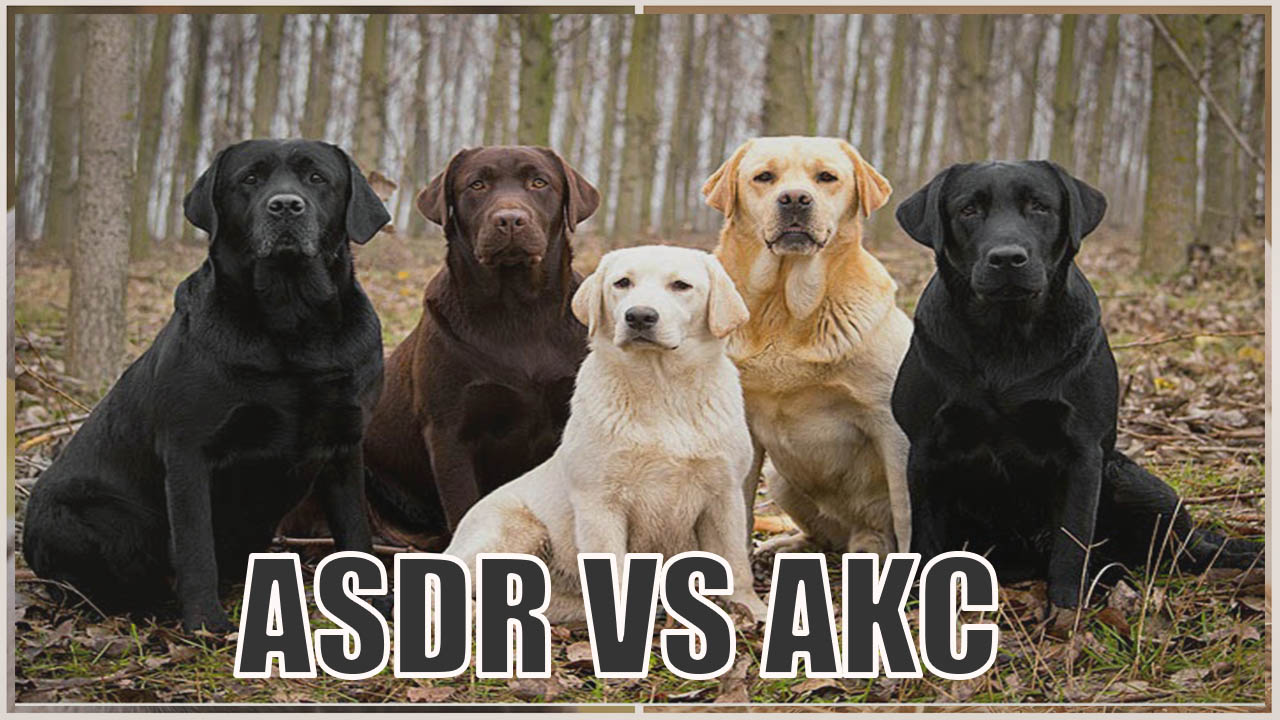
There's something undeniably captivating about watching a well-trained dog effortlessly herd livestock. The precision, the partnership, the raw instinct on display – it's a beautiful dance between human and animal. And for many, this isn't just entertainment; it's a way of life. Whether you're a working rancher relying on canine assistance or a weekend enthusiast competing in trials, understanding the lineage and working ability of your stock dog is crucial. That's where registries like the American Stock Dog Registry (ASDR) and the American Kennel Club (AKC) come into play, though they approach the task from slightly different angles.
Both the ASDR and the AKC serve the fundamental purpose of tracking canine pedigrees. But their emphasis differs. The AKC, while offering programs for herding breeds, is primarily a breed conformation registry. This means they focus largely on physical appearance and adherence to breed standards. They provide a platform for purebred dog enthusiasts to showcase their dogs' beauty and temperament according to written standards. The ASDR, on the other hand, prioritizes working ability above all else. While they do maintain pedigree records, their main goal is to preserve and promote the heritage of working stock dogs and acknowledge their herding skills. This distinction impacts how they register dogs, the types of events they sanction, and ultimately, what breeders and owners value in their programs.
Consider a rancher in Montana needing a reliable Border Collie to move cattle. While an AKC registration certificate might indicate the dog's lineage and potential temperament, it doesn't guarantee herding prowess. An ASDR registration, coupled with participation in ASDR-sanctioned trials, offers a more direct indication of the dog's inherent herding instincts and trained abilities. Common examples of ASDR-registered dogs excel in real-world working environments, from managing large herds of sheep to assisting in daily tasks on a working farm. Conversely, AKC herding programs often involve structured courses that test different herding elements, providing a challenging and enjoyable activity for both dog and handler, even if the dog isn't a full-time working animal. You can see AKC-registered herding breeds competing in conformation shows and agility trials, showcasing their versatility.
Must Read
So, how can you enjoy the world of stock dogs more effectively? First, define your goals. Are you looking for a working partner or a competitive companion? Understanding your needs will guide your choice of breed and registry. Second, research breeders carefully. Seek out breeders who prioritize health, temperament, and working ability (regardless of registry). Ask to see the parents working, if possible, and inquire about their training methods. Third, get involved in training early. Whether you're using formal classes or working with an experienced handler, early training is essential for building a strong bond and developing your dog's potential. Finally, attend trials and events. Even if you're not competing, observing experienced handlers and dogs at work can provide invaluable insights and inspiration. Don't be afraid to ask questions and learn from others.
Ultimately, whether you choose to register your dog with the ASDR, the AKC, or both, remember that the true reward lies in the partnership you build with your canine companion. Appreciate their intelligence, their loyalty, and their unwavering dedication. After all, that's the essence of what makes stock dogs so special.