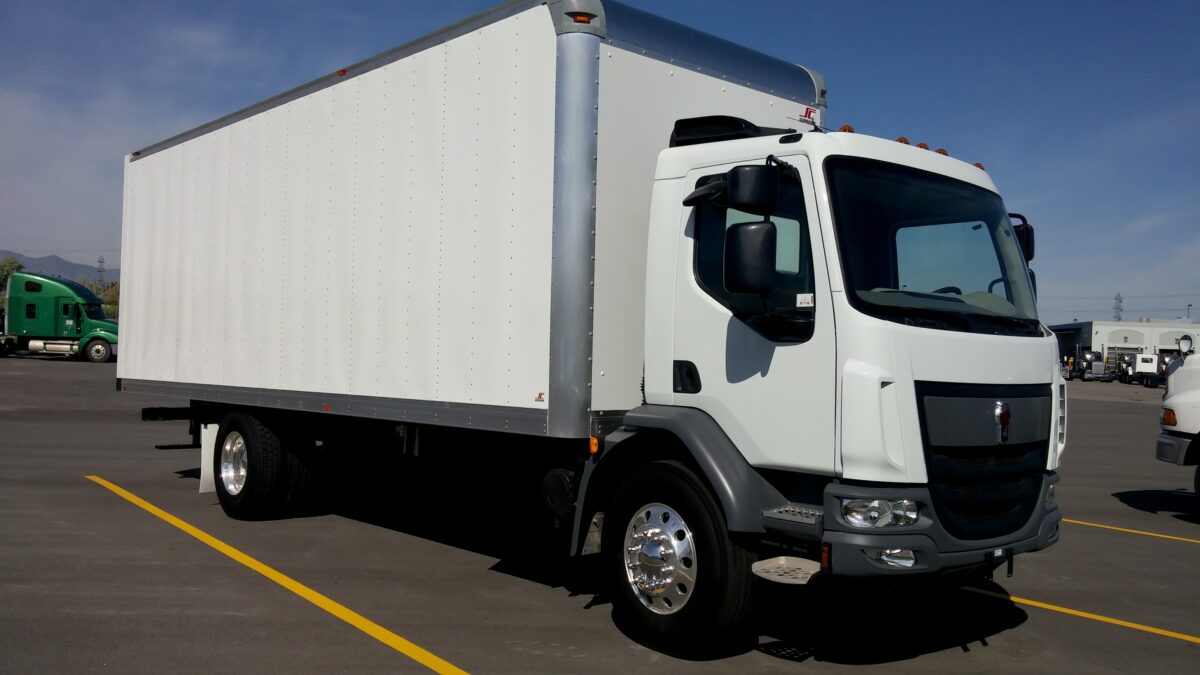
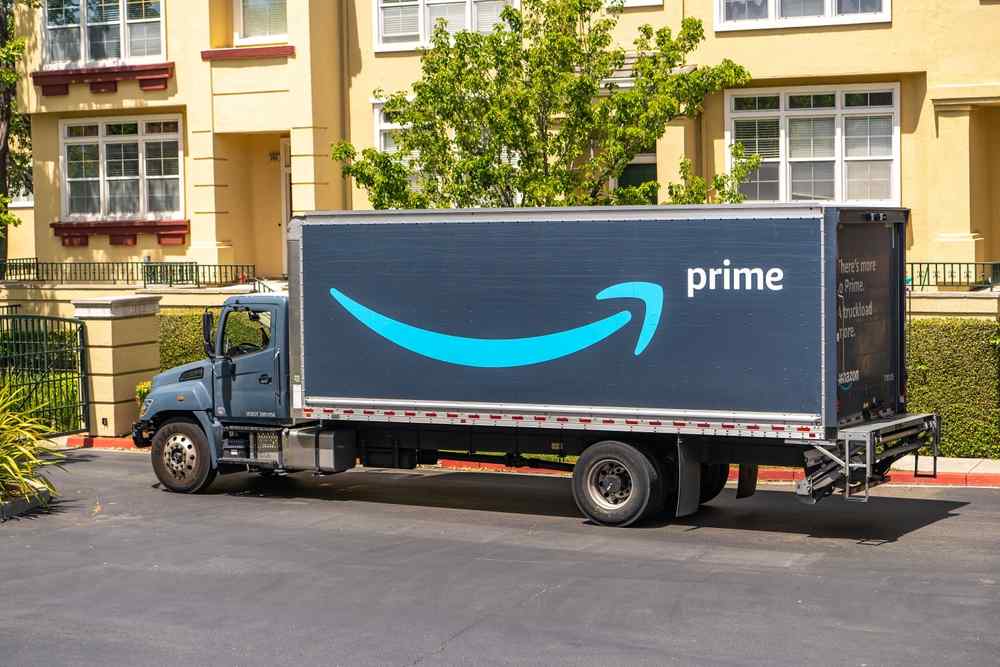
Amazon Relay Load Board Box Truck

Okay, picture this: I'm at a truck stop, fueling up, and I overhear two drivers arguing. Classic, right? But it wasn't about parking spots or whose coffee was stronger. It was about loads! One guy, clearly seasoned, was bragging about finding a killer run on, you guessed it, the Amazon Relay Load Board. The other guy? Not so lucky. He was complaining about deadheading back home. That's when it hit me: I needed to dive deeper into this whole Amazon Relay world, especially for box truck operators.
So, what's the deal? Amazon Relay. It’s basically Amazon's own load board system designed to connect shippers (mostly Amazon themselves, duh) with carriers. Think of it as Uber, but for trucks. And yes, that includes box trucks. Now, I know what you’re thinking: “Amazon? Isn’t that all about big rigs?” And while they certainly handle a massive amount of freight needing those 18-wheelers, there's a surprising amount of opportunity for us box truck folks too. Think local deliveries, short-haul runs, and those last-mile logistics nightmares that Amazon needs solved, like, yesterday.
Box Trucks and the Relay Load Board: A Match Made in (Logistics) Heaven?
Well, maybe "heaven" is a bit strong. But it can be pretty darn good. The beauty of using a box truck on the Amazon Relay Load Board is its versatility. You're nimbler than a semi-truck. You can squeeze into tighter spaces. You’re the ninja of the delivery world. And you can often undercut the rates of those bigger guys because your operating costs are lower. (Just do your math and make sure you're actually making money, alright?)
Must Read
What kind of loads are we talking about? Think packages, palletized goods, and even some less-than-truckload (LTL) freight. It really depends on your location and what Amazon needs in that particular area. Some common routes I've seen involve moving goods between Amazon fulfillment centers, delivering to smaller warehouses, or handling those critical last-mile deliveries to businesses. The key is to be flexible and ready to adapt to the available opportunities.
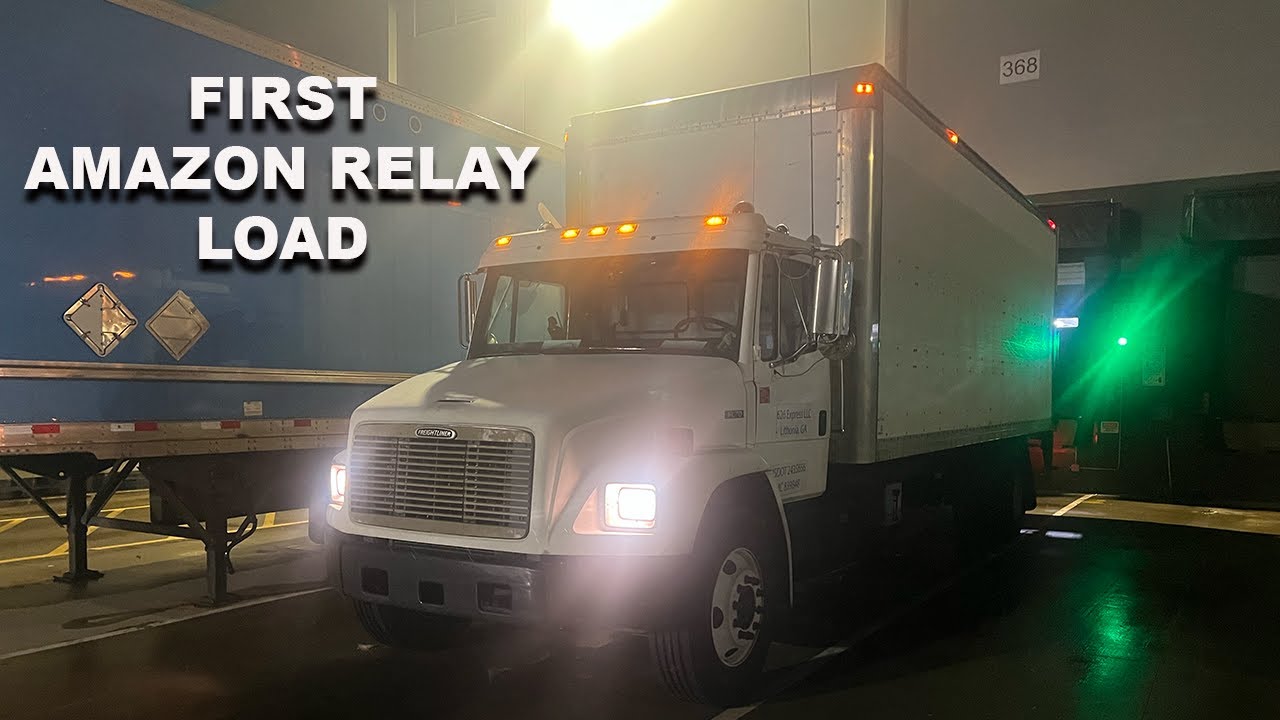
Now, let's get real. Using the Amazon Relay Load Board isn't all sunshine and roses. Here's the lowdown, the stuff they won't tell you in the official brochures. First, competition is fierce. Like, Olympic-level fierce. There are a lot of carriers vying for the same loads. You need to be quick, decisive, and have your ducks in a row when it comes to your paperwork and insurance. Seriously, don’t even THINK about skipping on the insurance. Amazon isn't messing around.
Navigating the Nuances: Tips and Tricks
So, how do you survive and thrive in this competitive landscape? Here are a few hard-earned tips:

- Know your market: Understand the demand for box truck services in your area. What are the common routes? What are the typical rates? Research, research, research!
- Be prepared to bid aggressively: Don't be afraid to undercut the competition, but be smart about it. Factor in your fuel costs, driver pay, and other expenses. You don't want to work for free.
- Maintain a stellar safety record: Amazon takes safety very seriously. A clean driving record is crucial for getting approved and staying in good standing.
- Invest in good technology: A reliable ELD (Electronic Logging Device) and a user-friendly GPS system are essential. You need to be able to track your hours of service and navigate efficiently.
- Network, network, network: Talk to other box truck operators, attend industry events, and build relationships with Amazon personnel. Connections can be invaluable.
Speaking of the tech side of things, the Amazon Relay app is your best friend. It's where you'll find available loads, manage your bookings, and communicate with Amazon. Get familiar with it. Learn its quirks. Master its interface. Because, trust me, you'll be spending a lot of time staring at it.
One final thought: The Amazon Relay Load Board for box trucks isn't a get-rich-quick scheme. It's a business opportunity that requires hard work, dedication, and a willingness to learn. But if you're willing to put in the effort, it can be a rewarding way to build a successful trucking business. And who knows, maybe one day you'll be the one bragging at the truck stop.