
All Of These Statements Are True Except Which One

Ever played that game where someone throws out a bunch of facts, and you have to sniff out the lie? It's a classic for a reason!
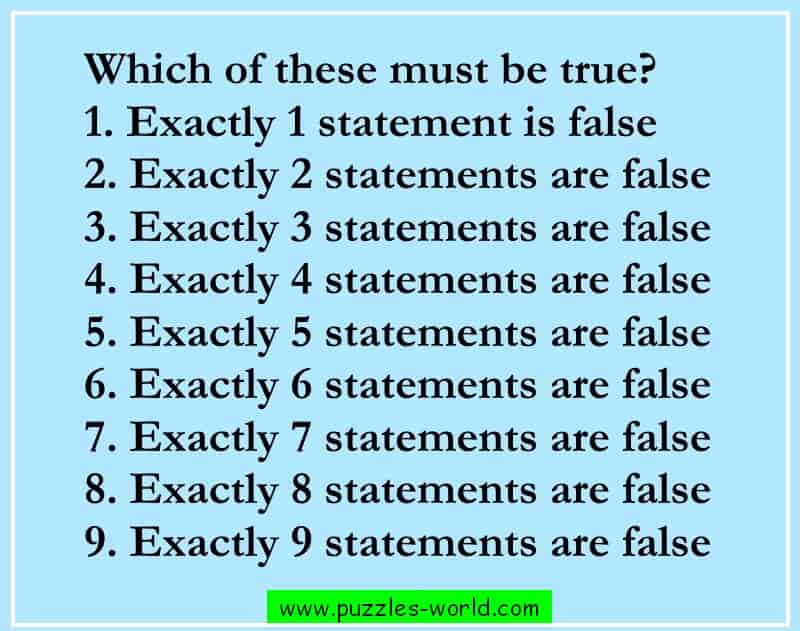
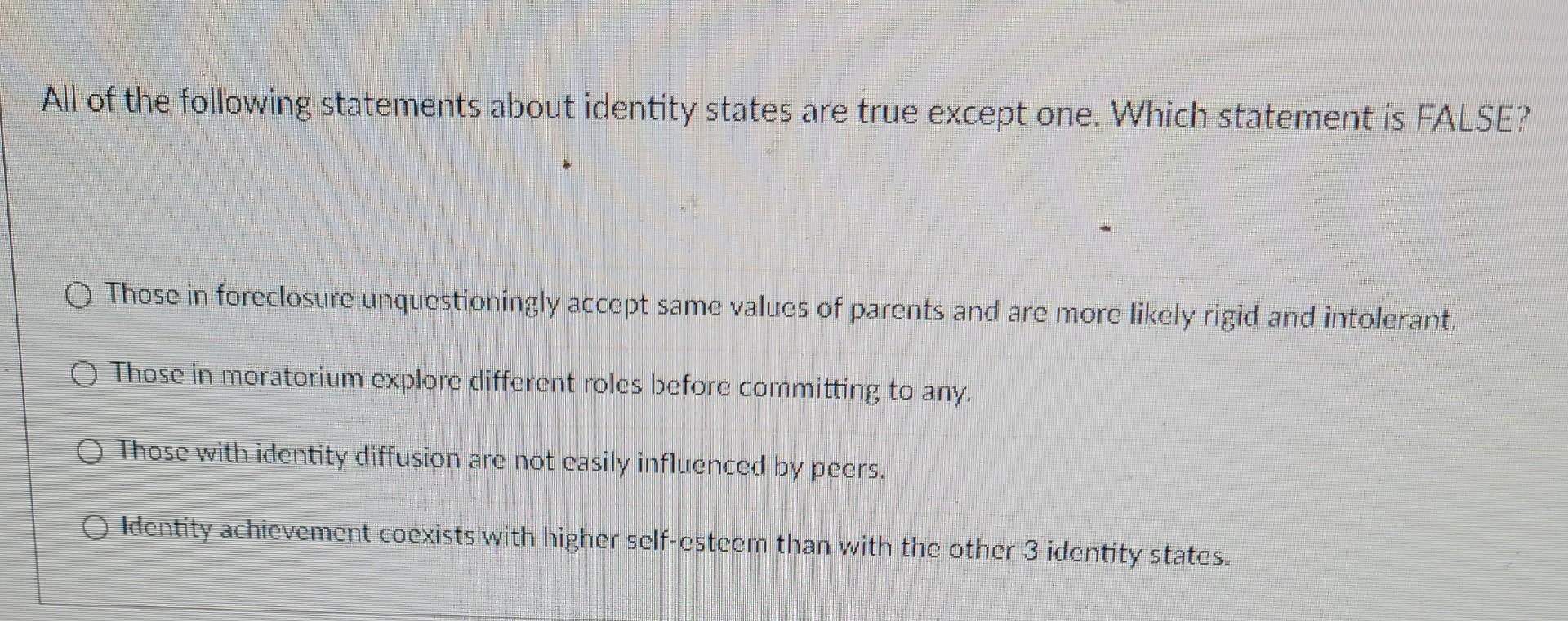
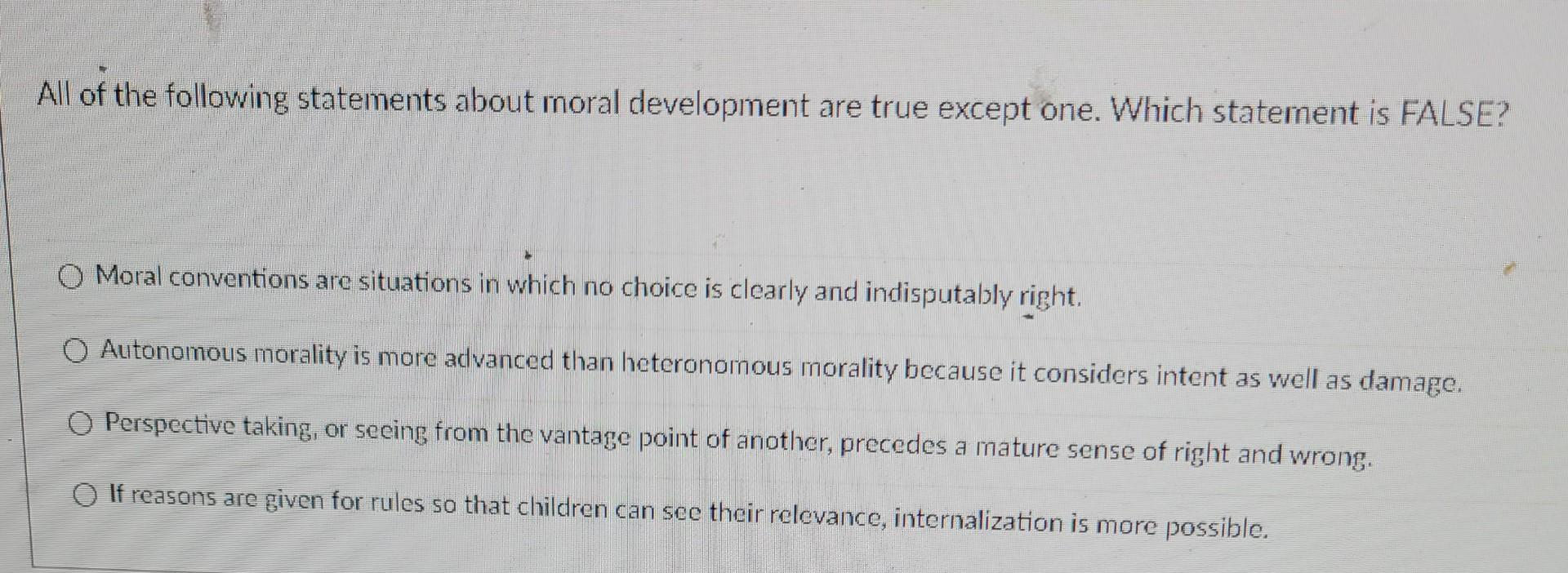
It's not just a party trick, though. This simple game, often called "Two Truths and a Lie," or variations like "All of These Statements Are True Except Which One," actually touches on some pretty fascinating aspects of how we learn, remember, and even trust.
The Thrill of the Hunt
What makes this game so darn fun? It's the mini-detective work involved. We get to dust off our knowledge, flex our critical thinking muscles, and size up the storyteller's poker face (or lack thereof!).
Must Read
Think about it: you're not just passively listening. You're actively comparing each statement against your existing understanding of the world.
That moment of discovery, when you finally shout out, "That's the lie!", is strangely satisfying. A little dopamine rush for cracking the code.
Why It Works: Memory and Misdirection
The game thrives on the imperfections of human memory. We remember things that are emotionally charged, that fit neatly into existing narratives, or that are repeated often.
A good liar knows this. They'll often bury the lie amidst believable or even captivating truths. The more interesting the truths, the more likely you are to gloss over the subtle inconsistencies in the lie.
This is why a statement like, "I once rode an elephant, I won a pie-eating contest, and I can speak fluent Klingon," can be so effective. The elephant and the pie are memorable, possibly even funny, making the Klingon seem almost… plausible?
The Power of Plausibility
Speaking of plausibility, it's the liar's best friend. A really outlandish lie is often too obvious. The sweet spot is something that could be true, something just slightly off.
For example, "I once met Beyoncé," is pretty believable. "I once met Beyoncé and she gave me a piggyback ride," is pushing it. "I once met Beyoncé and we co-wrote a song that went platinum," is likely a fabrication, unless you're, well, a famous songwriter!
The closer the lie is to reality, the harder it is to detect. This is where personal knowledge and intuition come into play.
Trust and the Art of Deception
The game also reveals a lot about trust. We're more likely to believe statements from people we trust, even if they seem a bit far-fetched.
Conversely, we're more skeptical of those we don't know well, or those with a reputation for exaggeration. This inherent bias can either help us spot a lie or lead us completely astray.
Think about how social media plays on this. We see carefully curated versions of people's lives, filled with seemingly amazing experiences. It's easy to get caught up in the hype and accept everything at face value, even if some of it is just… embellishment.
The Heartwarming Side: Connecting Through Storytelling
But let's not get too cynical. "All of These Statements Are True Except Which One" isn't just about deception. It's also about connection.
The game forces us to listen attentively to each other's stories. We learn about people's experiences, their quirks, and their imaginations.
Sometimes, the lie is so outrageous or funny that it sparks a whole new conversation. It becomes a shared joke, a point of connection.
Beyond the Party: Real-World Applications
Believe it or not, the skills honed in this game are surprisingly useful in real life. From evaluating news articles to navigating online dating profiles, the ability to critically assess information is essential.
Think about that news headline that seems too good (or too bad) to be true. Your "lie detector" instincts, sharpened by countless rounds of "All of These Statements Are True Except Which One," can help you sniff out potential misinformation.
And what about those dating profiles? A little healthy skepticism can go a long way in separating the genuine articles from the catfish. Remember, everyone puts their best foot forward – sometimes a little too far forward.
A Tool for Learning
Educators also use variations of this game to help students learn and retain information. By presenting facts alongside a carefully crafted falsehood, teachers can encourage active recall and critical thinking.
Imagine learning about the American Revolution with a game where students have to identify the false statement among a list of true historical events. It's a lot more engaging than just reading a textbook!
It also helps students understand that information isn't always presented in a neutral or objective way. They learn to question sources, look for evidence, and form their own informed opinions.
Level Up Your Game
Want to become a master of "All of These Statements Are True Except Which One"? Here are a few tips:
- Pay attention to detail: Lies often reveal themselves in subtle inconsistencies. Notice any vague language, missing details, or shifts in tone.
- Know your audience: Tailor your lies to the person you're playing with. What are their interests? What are their biases? What are they likely to believe?
- Practice your poker face: Even if you're a terrible liar, you can still improve your ability to mask your emotions. A little practice in front of a mirror can go a long way.
- Don't overthink it: Sometimes, the simplest lie is the most effective. Don't get caught up in elaborate schemes.
Remember the Fun
Ultimately, "All of These Statements Are True Except Which One" is just a game. It's a chance to connect with others, exercise your brain, and have a few laughs.
So, the next time you're looking for a fun icebreaker or a way to liven up a party, give it a try. You might be surprised at what you learn – about yourself, about others, and about the art of deception.
And who knows, maybe you'll even uncover a hidden talent for spotting lies. Just don't go around accusing everyone you meet of being a fibber! A little discretion goes a long way.
One Last Game
Ready for one last round? Here are three statements. Can you spot the lie?
- I once accidentally started a small fire trying to make toast.
- I have a collection of over 500 rubber ducks.
- I can hold my breath underwater for five minutes.
Think carefully… which one sounds a little fishy? (Hint: it's probably not the rubber ducks.)