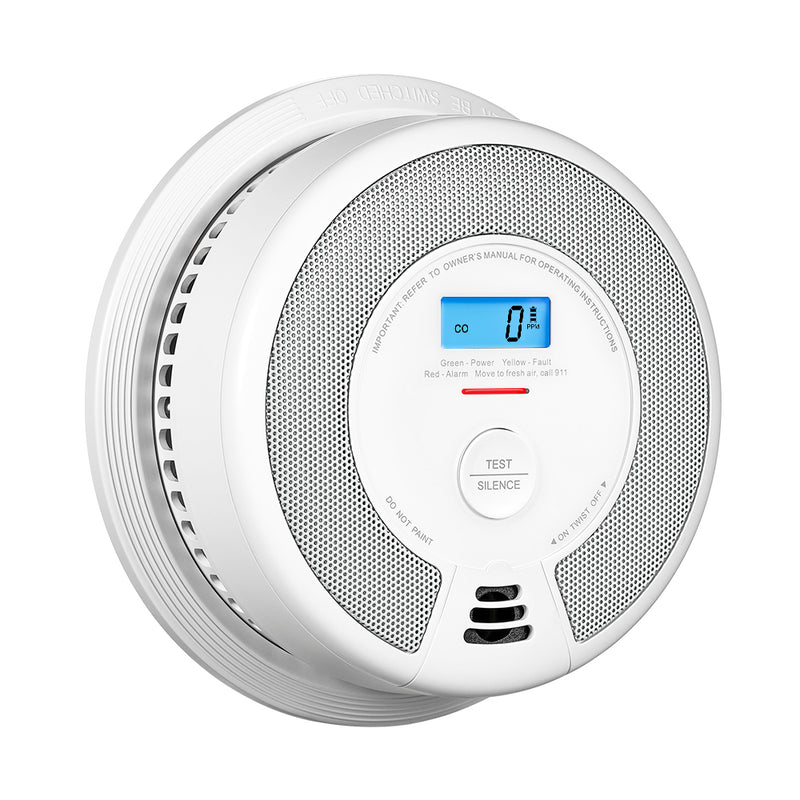
Alarma De Humo Y Monóxido De Carbono
Okay, picture this: it's 3 AM. You're deep in the land of nod, probably dreaming you're flying or have superpowers, right? Then BAM! A piercing shriek rips through the silence. Your heart leaps into your throat, you sit bolt upright, convinced the house is on fire or maybe a small, very loud alien has landed in your kitchen. You stumble out of bed, eyes still glued shut, feeling around for your phone, ready to call 911 or, you know, your mom. Turns out? It was just your smoke alarm declaring a national emergency over a rogue piece of burnt toast you forgot about last night. Yeah, been there, done that, bought the t-shirt. Or, more accurately, bought a new toaster.
That initial jolt, that pure panic, is a wild ride, isn't it? But here’s the thing: as annoying as that screech can be, it's also a tiny superhero trying to save your bacon – literally. And while we all know about the smoke alarm (even if we only interact with it when it’s complaining about our culinary skills), there’s another silent, invisible villain out there that needs its own dedicated alarm. We’re talking about carbon monoxide, folks. The one you can't see, smell, or taste. Spooky, right?
Smoke Alarms: Your Fiery Friend
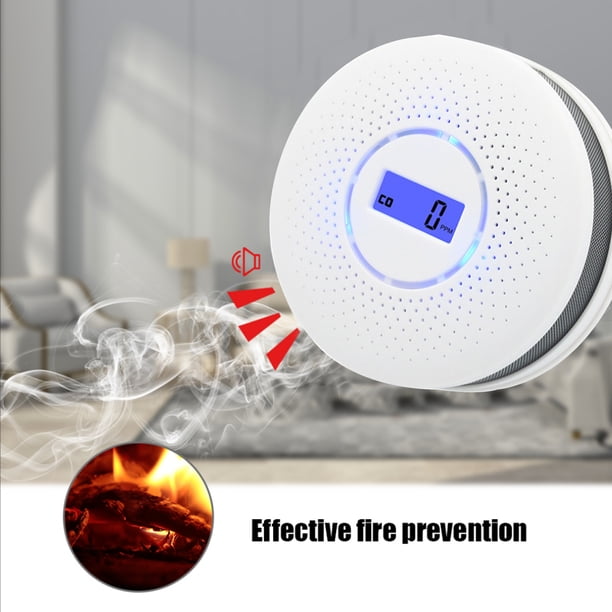
Let's kick things off with the OG: the smoke alarm. These little guardians are on constant patrol for any whiff of a potential fire. They come in a couple of main flavors: ionization (better at detecting fast, flaming fires) and photoelectric (smarter for smoldering fires that produce a lot of smoke). Some even combine both, because why not have double the protection?
Must Read
Seriously though, having working smoke alarms is not just a good idea, it's a lifesaver. Fire spreads incredibly fast, and if you're asleep, your nose isn't always going to wake you up. That loud, obnoxious beep? It’s your wake-up call, your early warning, giving you precious minutes to get out safely.
Where to put them? Ideally, on every level of your home, inside and outside sleeping areas. And for the love of all that is holy, test them monthly and replace batteries annually. Most alarms will even give you a grumpy little chirp when their battery is low, so you really have no excuse. (Except maybe procrastination, we've all been there.)

Carbon Monoxide Alarms: The Silent Guardian
Now, let's talk about the sneaky one: carbon monoxide (CO). This gas is often dubbed the "silent killer" for a reason. It's produced by fuel-burning appliances like furnaces, water heaters, gas stoves, fireplaces, and even your car if you leave it running in an enclosed space (don't do that, seriously). The scary part? It's colorless, odorless, and tasteless. You won't know it's there until it starts messing with you.
The symptoms of CO poisoning often mimic the flu: headaches, dizziness, nausea, fatigue. You might just think you're having a bad day, or that weird new diet isn't working out. But as CO levels rise, it replaces oxygen in your blood, leading to disorientation, loss of consciousness, and ultimately, death. Yikes.
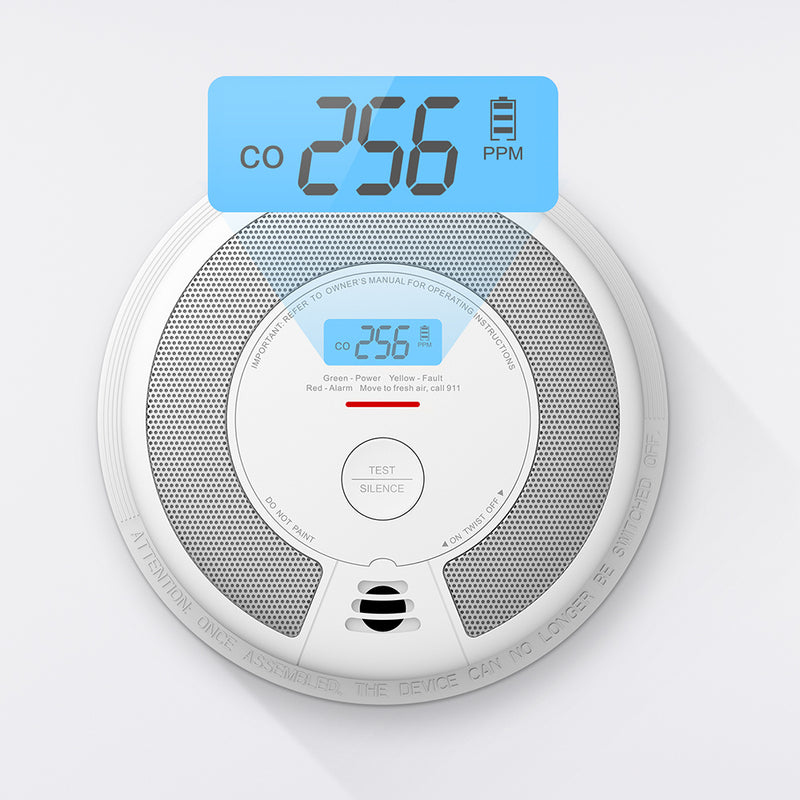
This is precisely why a carbon monoxide alarm is an absolute non-negotiable. It's the only way to detect this invisible menace and alert you before it's too late. Think of it as your home's personal CO bloodhound, always sniffing out danger you can't perceive.
Placement for CO alarms: Near sleeping areas, and on every level of your home. You can find standalone CO alarms, or even better, combination smoke and CO detectors. These are super handy, giving you double protection in one sleek (or sometimes chunky) unit.
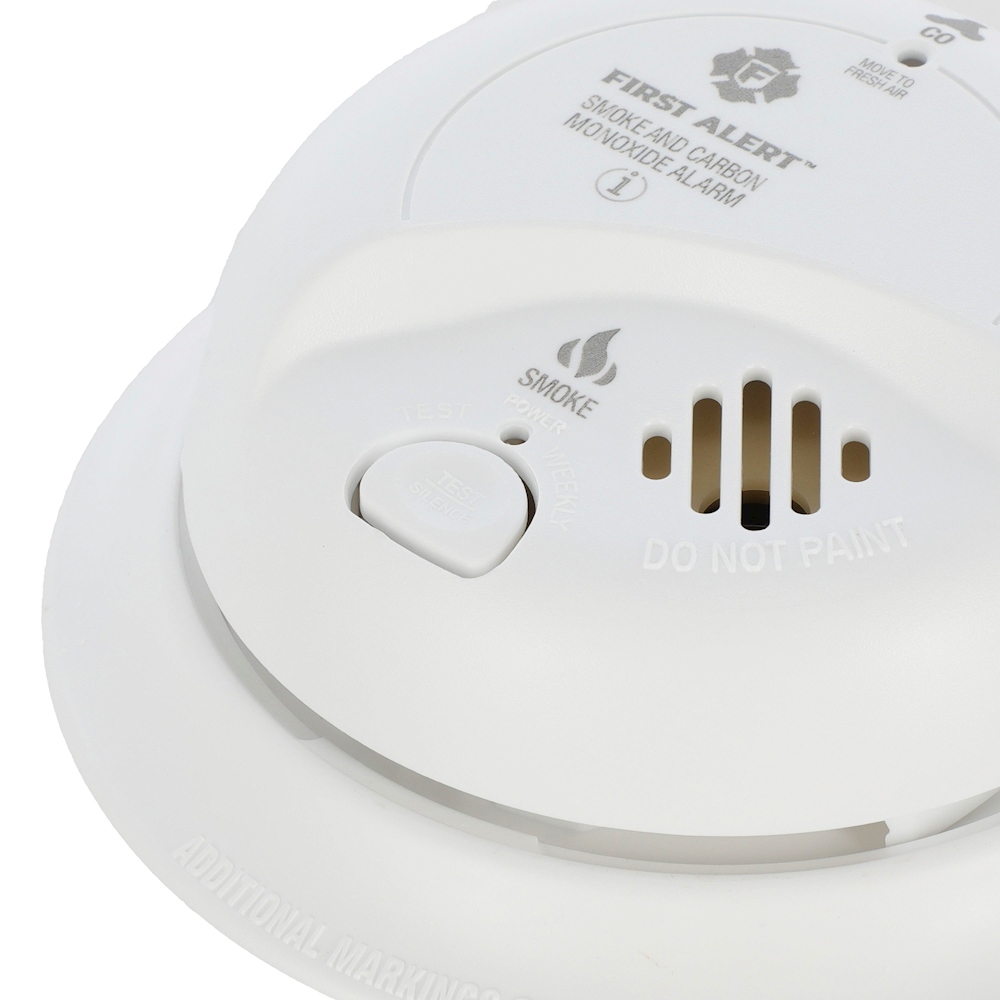
Double the Trouble, Double the Protection
In a perfect world, we'd all have combination alarms that tackle both smoke and carbon monoxide. They're often referred to as "2-in-1" or "combo" detectors, and they simplify things quite a bit. One device, two incredibly important jobs. Some even connect to your Wi-Fi, sending alerts to your phone if something's amiss when you're not home. How cool is that?
Regardless of whether you go for separate units or the fancy smart combos, the main takeaway here is this: don't skimp on safety. These alarms are a small investment that offers an incredible return in peace of mind and, well, actual life. Checking them is literally a push of a button. Replacing batteries? A couple of minutes of your time. Installing new ones? Probably less time than it takes to scroll through TikTok for five minutes.
So, take a moment right now. Are your alarms up to snuff? Do you have both smoke and CO protection? If not, consider this your friendly, slightly ironic, but ultimately very serious nudge to get on it. Because while a burnt toast alarm might give you a fright, the alternative of not being alerted to a real danger is a fright you absolutely do not want to experience. Stay safe out there, my friends!