
Alarm Beeping How To Turn Off Smoke Alarm

Picture this: It's the middle of the night. You're nestled in the sweet embrace of dreamland, perhaps soaring with dragons or finally winning the lottery. Then, without warning, a sound rips through the tranquility of your home, shattering your peace and launching you into a primal state of confusion. BEEP! BEEP! BEEP! No, it's not the aliens arriving (probably). It's your smoke alarm, and it's decided that 3 AM is the perfect time to demand attention.
Sound familiar? Of course it does! We've all been there, stumbling out of bed, eyes blurry, heart pounding, desperately trying to locate the source of the auditory assault. It's a universal experience, a bizarre rite of passage into adulthood, and honestly, a tiny bit terrifying when you're half-asleep. But what if I told you that mastering this midnight menace could actually be... fun? Empowering? A little life hack that makes you feel like an absolute superhero?
The Great Beeping Mystery: Why It Happens (and How to Tame It)
First things first, let's understand why your usually silent sentinel has suddenly turned into a screeching banshee. Most often, it’s one of these usual suspects:
Must Read
1. The Low Battery Chirp: This is the most common culprit. Your alarm isn't yelling "fire!" It's politely (or impolitely, depending on your sleep cycle) reminding you it needs a snack. Think of it as a tiny, very loud bird. This isn't a continuous shriek, but a periodic "chirp" or "beep" every 30-60 seconds. Annoying? Yes. Easy to fix? Absolutely!
2. The Burnt Toast Catastrophe: Ah, the joys of experimental cooking! Sometimes, a little too much smoke from a forgotten bagel or a slightly overzealous stir-fry can trigger your alarm. It's doing its job, bless its cotton socks, but it doesn't always distinguish between a five-alarm blaze and a crispy crouton.
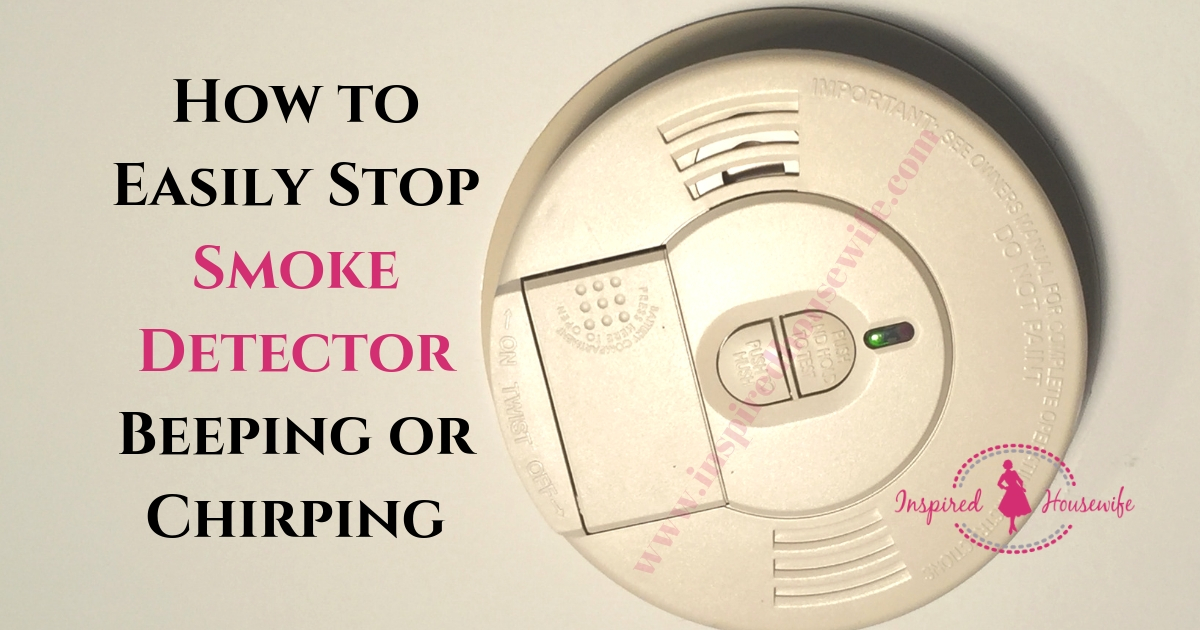
3. The Dusty Dilemma: Believe it or not, dust and cobwebs can sometimes interfere with the alarm's sensor, making it think there's smoke when there's none. It's a bit like a hypochondriac alarm, jumping at shadows.
4. The End-of-Life Sigh: Smoke alarms aren't immortal. Most have a lifespan of about 8-10 years. After that, they start to get a bit... quirky. A continuous, inexplicable beep might mean it's time for a dignified retirement and a shiny new replacement.
Your Mission, Should You Choose to Accept It: Silencing the Beast!
So, how do you go from sleep-deprived zombie to calm, collected problem-solver? Here’s your step-by-step guide to becoming the undisputed master of your home's soundscape:
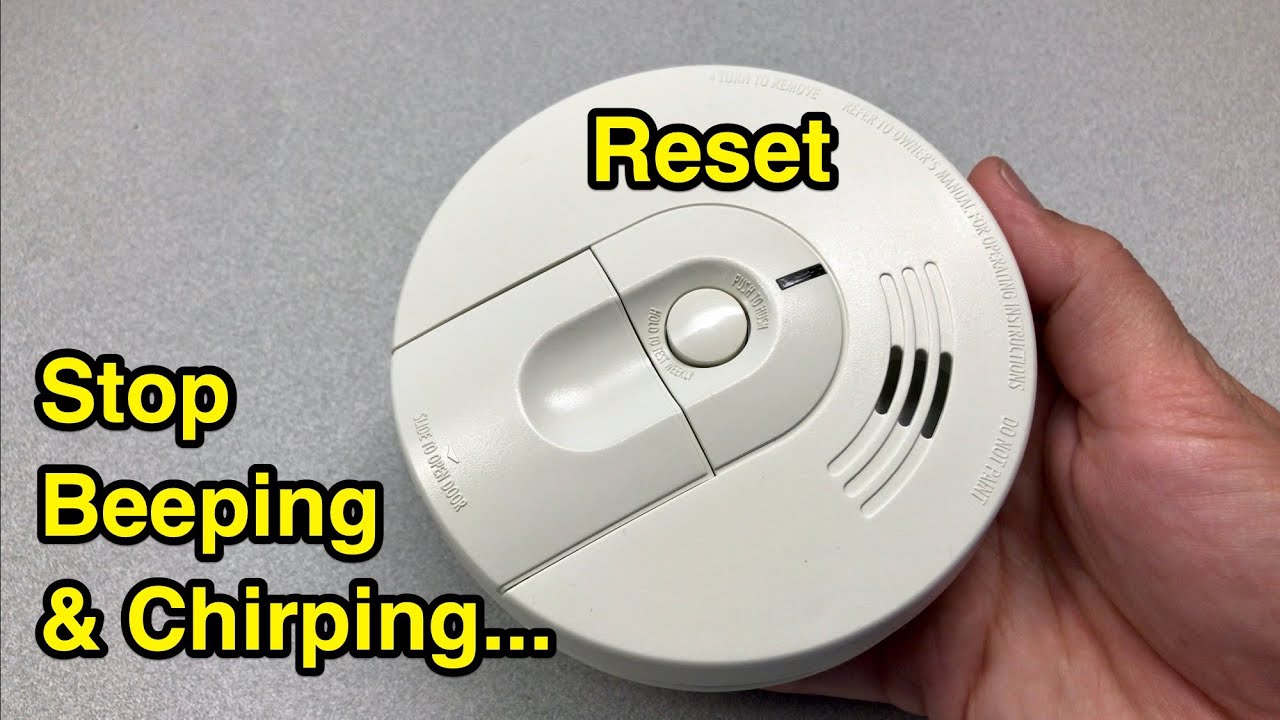
Step 1: Identify the Culprit (and the Button!)
When the beeping starts, walk towards the sound. You'll likely have multiple alarms, so find the one that's screaming the loudest. Many modern alarms have a "hush" or "test" button right on the front. Press it firmly for a few seconds. This usually silences it temporarily, giving you a precious few minutes of peace to gather your thoughts (and maybe a flashlight).
Step 2: The Battery Boogie (Your Go-To Move!)
If it's the chirping low-battery warning, this is your moment to shine! Grab a small step stool if needed. Twist the alarm counter-clockwise to remove it from its ceiling mount. Pop open the battery compartment (usually a little sliding door or clip). Replace the old 9-volt or AA/AAA batteries with fresh ones. Seriously, the feeling of successfully swapping out a battery and having the silence descend is almost euphoric! You’ve just averted another 3 AM wake-up call, and honestly, you deserve a medal.
Step 3: The Clean Sweep (Banishing the Dust Bunnies)
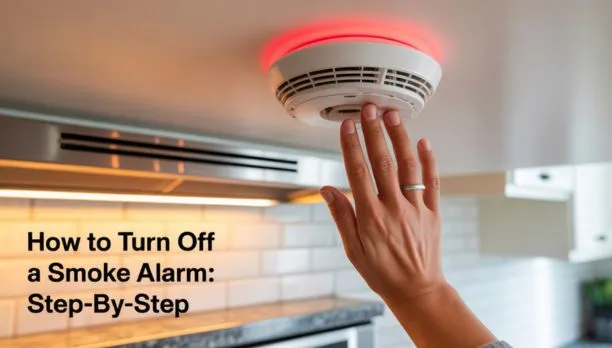
If it's not the battery, or if you suspect dust, gently wipe down the alarm unit with a clean cloth. You can also use a can of compressed air to clear out any dust from the vents. It’s like giving your alarm a spa treatment!
Step 4: The Ventilation Victory (Post-Culinary Calamity)
For those post-burnt-toast emergencies, simply opening windows and doors to air out the kitchen usually does the trick. You might even want to fan the alarm with a towel to speed up the process. A little fresh air goes a long way!
Step 5: The Grand Replacement (For When It's Time to Retire)
If your alarm is old (check the manufacture date on the back) and continues to act up after new batteries and a good cleaning, it's time for a new one. Replacing an old unit is straightforward: disconnect the old one, connect the new one. Most modern alarms come with clear instructions. It's a small investment for years of peaceful sleep and genuine safety.
Why This Makes Life More Fun (Seriously!)
Look, knowing how to turn off a smoke alarm isn't just about avoiding a screeching headache. It's about empowerment. It's about being prepared. It's about transforming a moment of panic into a moment of confident action. Think of it:
- You become the household hero, calmly assessing the situation while others are still rubbing their eyes.
- You eliminate that nagging fear of the dreaded 3 AM alarm. Peace of mind? Priceless!
- You add another notch to your "adulting" belt, proving you've got this whole home management thing down.
- It’s a mini-adventure, a quick problem-solving quest that ends in blissful quiet.
The joy of mastering a small, everyday annoyance is surprisingly potent. It's a reminder that many of life's little disruptions can be handled with a bit of knowledge and a dash of confidence. So next time that alarm decides to make an unscheduled announcement, don't dread it. Embrace it as an opportunity to flex your newly acquired superhero skills!
This little lesson in smoke alarm mastery isn't just about batteries and beeps. It's about approaching any challenge, big or small, with curiosity and a can-do attitude. What other seemingly daunting tasks are just waiting for you to learn a simple trick? Go forth, embrace the learning, and make your home a haven of calm, one silent smoke alarm at a time!