Akeega - Use In Geriatric Patients
Let's talk about Akeega and its role in the lives of our older loved ones. Now, I know what you're thinking: medication discussions aren't exactly a party. But understanding how certain treatments can improve the quality of life for seniors – allowing them to maintain independence and enjoy their golden years – is actually incredibly empowering and, dare I say, a little bit exciting! After all, who doesn't want the best for their family?
So, what is Akeega, and why are we focusing on its use in geriatric patients? Akeega is a medication used to treat metastatic castration-resistant prostate cancer (mCRPC) in men. That’s a mouthful, I know! Essentially, it's for prostate cancer that has spread to other parts of the body and doesn't respond to hormone therapy. For beginners, the important takeaway is that it's a targeted treatment aimed at slowing down the progression of this specific type of cancer.
For families, understanding Akeega means understanding the potential for improved quality of life for your father, grandfather, or other male relatives facing this diagnosis. It's about having informed conversations with their doctors and being active participants in their care. Knowing the potential benefits, like slowing cancer growth and managing symptoms, can help you advocate for your loved one’s needs.
Must Read
Even if you're just a medical hobbyist, fascinated by the complexities of pharmaceutical interventions, Akeega presents an interesting case study. It's a combination therapy, meaning it uses two active ingredients working together to achieve a better outcome than either drug could achieve alone. This synergistic effect is something many researchers are working on in different disease states!
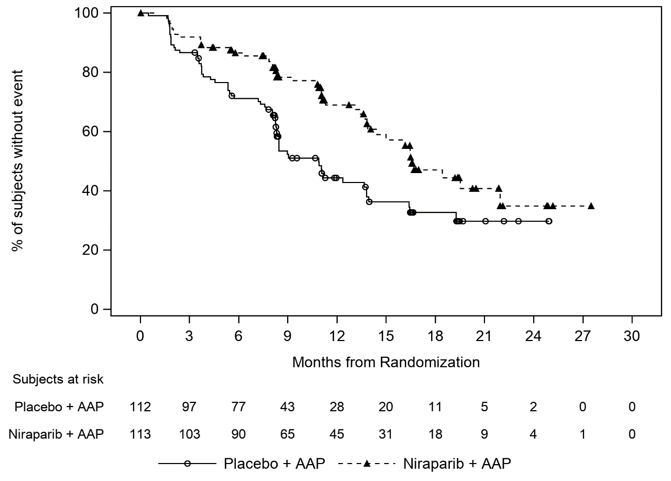
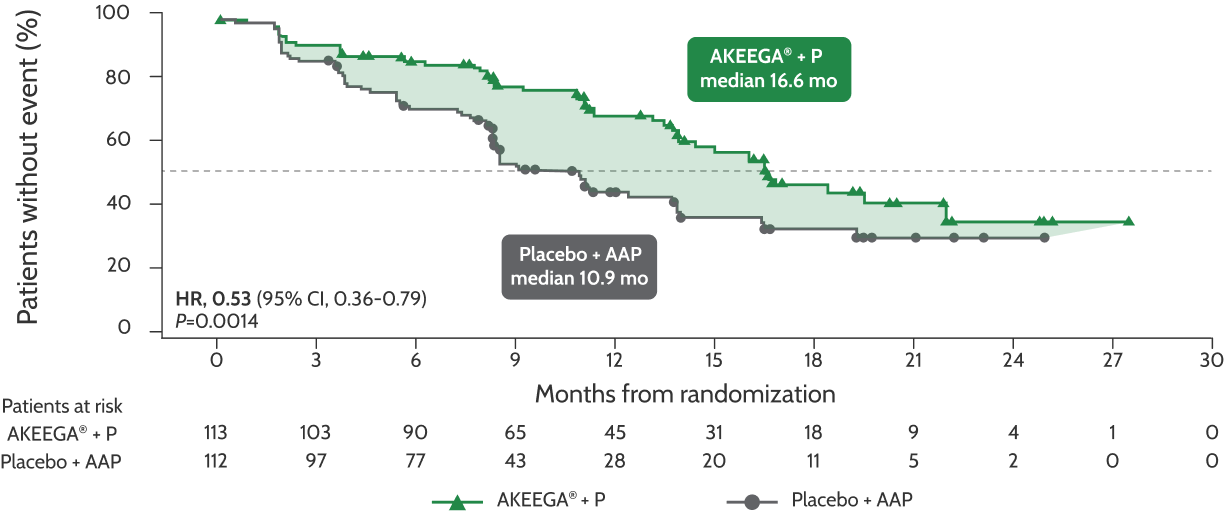
The benefits of Akeega in geriatric patients can be significant. While it doesn't cure the cancer, it can extend life expectancy and, crucially, improve quality of life. Managing pain, maintaining mobility, and preserving cognitive function are all key goals when treating older adults with cancer. Akeega can contribute to these goals by slowing the cancer's spread and reducing the need for other, potentially more debilitating, treatments.
Of course, like all medications, Akeega has potential side effects. These can include fatigue, hypertension (high blood pressure), and liver problems. It's crucial to discuss these risks with the doctor and carefully monitor the patient for any adverse reactions. This is especially important in older adults, who may be more susceptible to side effects due to age-related changes in their bodies.

Practical Tips for Getting Started:
- Talk to the doctor: Have an open and honest conversation with the oncologist about whether Akeega is the right treatment option.
- Learn about side effects: Understand the potential side effects and how to manage them.
- Monitor for changes: Keep a close eye on the patient for any changes in their health or well-being.
- Stay connected: Join a support group for patients and families dealing with prostate cancer. This provides invaluable emotional support and practical advice.
Ultimately, understanding Akeega and its use in geriatric patients is about empowering yourself with knowledge. It’s about being a proactive advocate for the health and well-being of your loved ones. While dealing with cancer is never easy, having information and working closely with the medical team can make a significant difference in navigating this challenging journey and helping seniors live their lives to the fullest for as long as possible. There's real value in ensuring our elders get the best possible care.