Acute Drug Effects Are Those That
Ever wonder why that first sip of coffee in the morning hits you so hard, or why your mood can change drastically after just one piece of chocolate? It's fascinating to think about how quickly substances can affect our minds and bodies, and that’s where understanding acute drug effects comes in. It’s a topic that’s not just for scientists; it’s relevant to anyone who consumes anything, from caffeine to medications. Understanding these effects helps us make informed decisions about our well-being and daily habits.
So, what exactly are acute drug effects? Simply put, they are the immediate and short-term changes that occur in the body and mind after taking a substance. Think of it as the "right now" impact. Unlike chronic effects, which develop over time with prolonged use, acute effects are the ones you experience almost instantly, or within a relatively short timeframe. The purpose of understanding these effects is multi-faceted. It allows us to predict how a substance will likely influence us, manage potential risks, and ultimately, make smarter choices about what we put into our bodies.
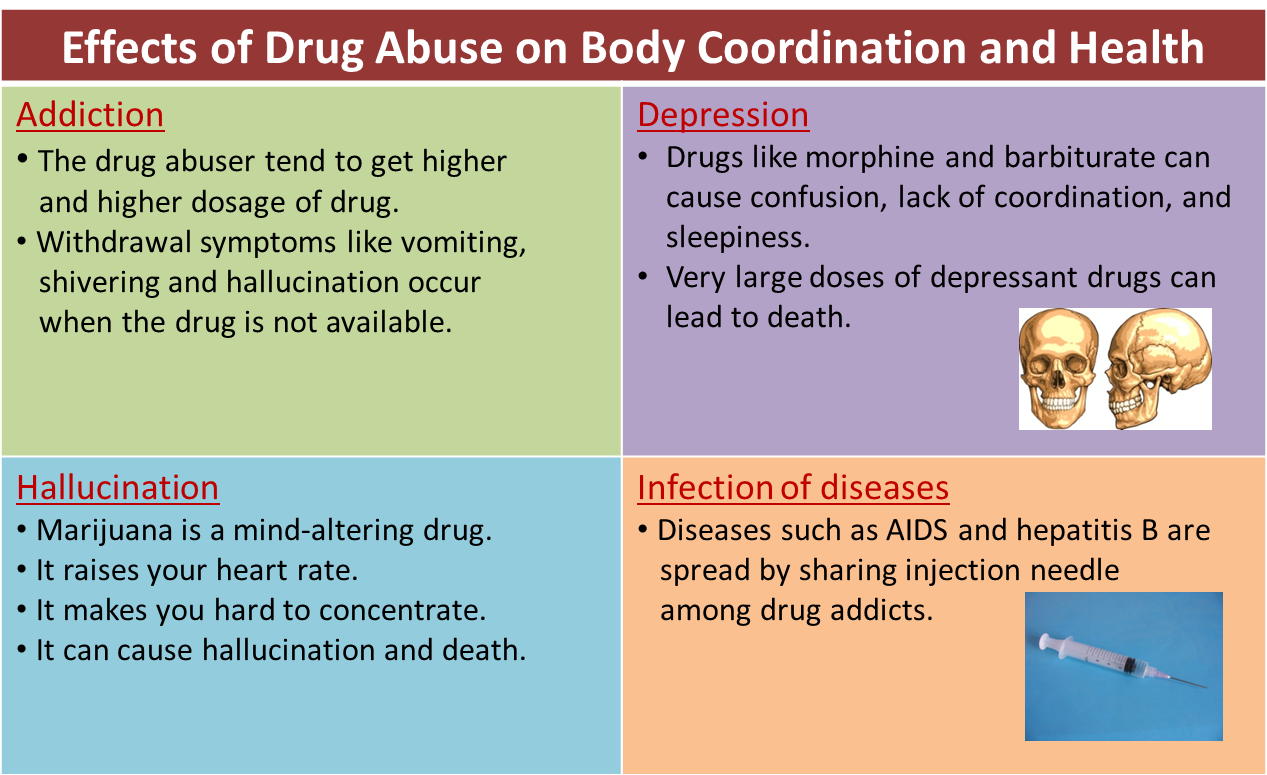
The benefits extend beyond just personal choices. In education, understanding acute drug effects is crucial for health classes where students learn about the dangers of substance abuse. For example, understanding the acute effects of alcohol – impaired judgment, slowed reaction time, loss of coordination – is essential for discouraging drunk driving and promoting responsible behavior. In daily life, it helps us interpret our own experiences. That sudden burst of energy after an energy drink? That's the acute effect of caffeine and sugar. That drowsy feeling after taking an antihistamine? That’s the acute effect of the medication. Understanding these connections allows us to anticipate and manage these effects proactively. For example, you might avoid driving immediately after taking a medication known to cause drowsiness.
Must Read
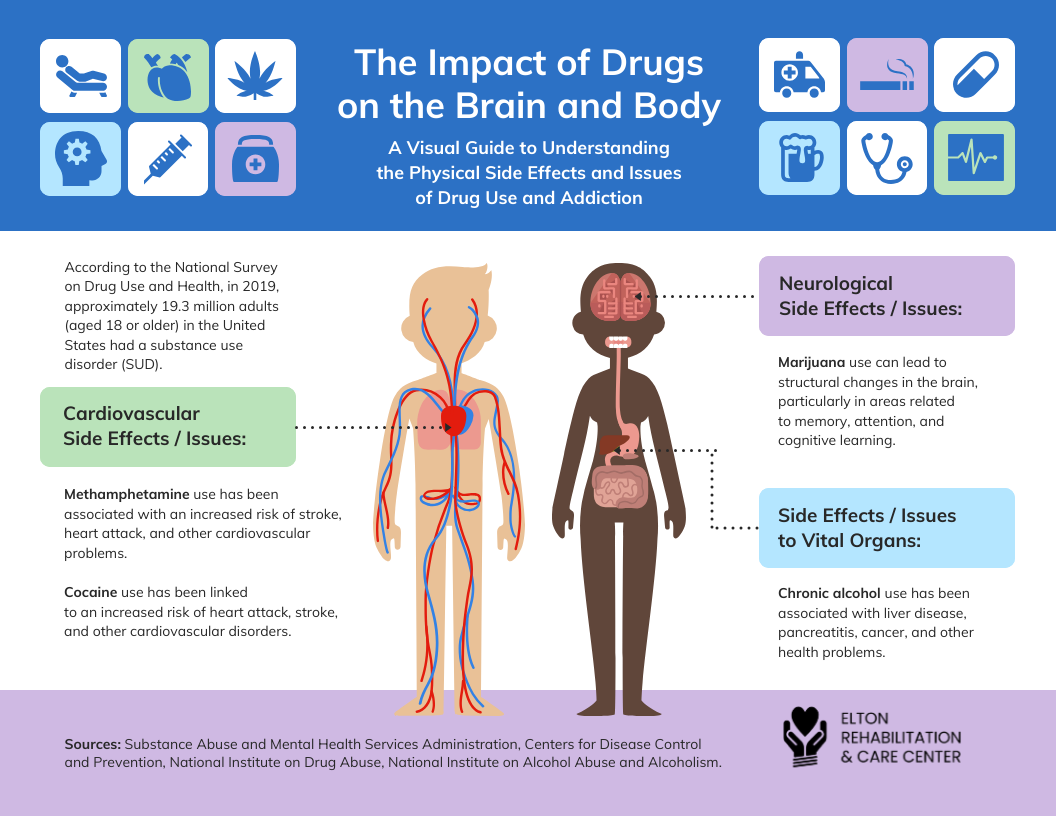
Let's explore some more examples. Consider pain relievers like ibuprofen. The acute effect is a reduction in pain and inflammation, allowing you to function more comfortably. On the other hand, a recreational drug like marijuana might induce feelings of euphoria and relaxation, but also potentially anxiety or paranoia. Even food has acute effects! A sugary snack provides a quick energy boost, followed by a potential crash. Understanding these effects – whether from medication, recreation, or food – allows us to better manage our physical and mental states.
Want to explore this further? A simple way to start is by paying close attention to how you feel after consuming different things. Keep a little mental log. Notice how your body and mind respond to caffeine, sugar, alcohol, or even different meals. You can even try keeping a simple journal to track what you consume and how you feel afterward. Focus on the immediate effects. Did you feel more alert? More relaxed? Did your mood change? What about your physical energy levels? This simple self-observation can reveal a lot about the acute effects of different substances on your unique system. It’s a fascinating journey of self-discovery, empowering you to take control of your well-being, one sip and bite at a time.