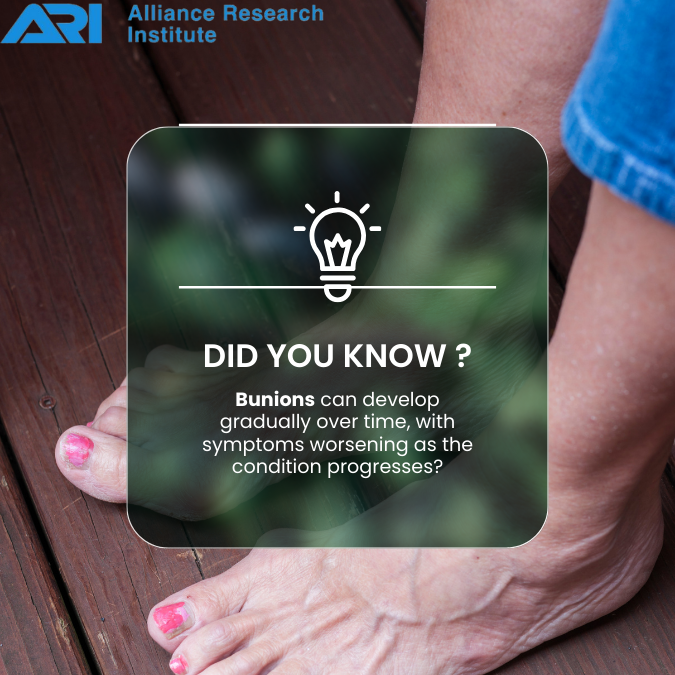
A Subject Participates In A Drug Study Because Treatment
We all crave a little hope, right? That glimmer of possibility, that chance for a brighter future. Whether it's buying a lottery ticket, diligently applying for jobs, or even just wishing on a star, the desire for improvement and a better tomorrow is deeply ingrained in the human spirit. For some, that hope manifests in a more structured and perhaps slightly more daring way: participating in a drug study.
Why would someone willingly sign up to be a guinea pig, you ask? Well, the reasons are surprisingly diverse and often deeply personal. At its core, participating in a drug study offers the potential for access to cutting-edge treatments that might not be available through traditional healthcare channels. Imagine struggling with a chronic condition, trying countless medications with minimal success, and then discovering a clinical trial exploring a promising new therapy. It's a lifeline of hope, a chance to potentially alleviate suffering and improve quality of life.
But the benefits extend beyond just individual health. Drug studies are absolutely essential for advancing medical knowledge. Every medication we rely on today, from aspirin to life-saving cancer treatments, went through rigorous clinical trials involving real people. Participants, in essence, become active partners in scientific progress, contributing to a future where diseases are better understood and more effectively treated. Think of it as leaving a legacy, knowing you played a part in helping countless others down the line.
Must Read
We see examples of drug studies everywhere, although often behind the scenes. They cover a vast range of conditions, from common ailments like allergies and high blood pressure to more complex diseases like Alzheimer's and HIV. You might hear about a study investigating a new vaccine, or a trial testing a novel therapy for depression. These studies take place in hospitals, clinics, and research centers, and are carefully designed to ensure participant safety and ethical conduct.

So, how can someone enjoy their experience in a drug study more effectively, should they choose to participate? First and foremost, thorough research is key. Understand the study's objectives, the potential risks and benefits, and what will be expected of you. Don't be afraid to ask questions! The research team should be transparent and willing to address any concerns you might have. Secondly, build a strong rapport with the research team. Open communication is crucial. Report any side effects or changes in your health promptly. They are there to support you throughout the process. Finally, focus on the positive aspects. Remember that you are contributing to a valuable cause, potentially improving your own health, and gaining a unique insight into the world of medical research.
Participating in a drug study isn't for everyone, and it's a decision that requires careful consideration. But for those who choose to embark on this journey, it can be a powerful experience – a chance to find hope, contribute to scientific progress, and potentially make a real difference in the lives of others. And who knows, maybe that little bit of hope is the most potent medicine of all.