
A Researcher Is Consolidating Participant Data
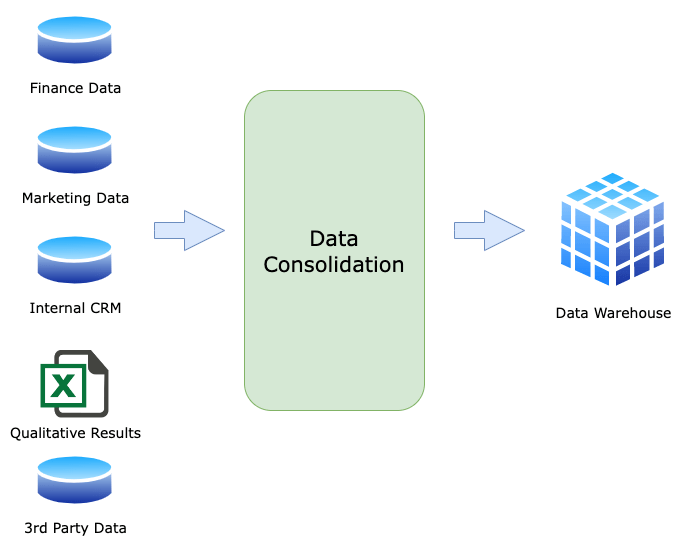
Okay, folks, picture this. A mountain. A very messy mountain. Made of... stuff. Participant data stuff. We're talking surveys, interview transcripts, focus group scribbles. You name it, it's probably there.
And someone, somewhere, brave (or possibly slightly insane), is trying to turn that mountain into, well, something less mountainous. That's right. I am consolidating participant data.
The Great Sorting Begins
It's a bit like organizing your sock drawer. Except instead of finding matching pairs, you're looking for recurring themes. And instead of socks, you have hundreds of opinions on the best type of coffee. Dark roast, obviously.
Must Read
First, there's the "scanning" phase. Like a hawk, circling above, looking for patterns. Did everyone hate the new interface design? Did anyone actually enjoy the elevator music? The answers, my friends, are in the data.
Then comes the real fun: the color-coding. If every opinion was a crayon, my monitor would look like a Jackson Pollock painting. Yellow for positive feedback. Blue for… less positive. Red for, well, you get the idea.
My Unpopular Opinion #1: Spreadsheets Are Underrated
Hear me out. I know spreadsheets aren't exactly sexy. But a well-organized spreadsheet? It's a thing of beauty. I can manipulate, sort, and filter data faster than you can say "pivot table."

And don't even get me started on the satisfaction of seeing everything line up perfectly. It's like Tetris, but with numbers and words. Pure. Bliss.
Plus, it's a handy way to tell how many people said one thing or another. It turns abstract feelings into simple numbers.
The Search for the "Aha!" Moment
The goal, of course, is not just to organize the chaos. It's to find the "aha!" moment. The insightful nugget of information that makes the whole process worthwhile.
The moment when you realize everyone secretly wants a nap room at work. Or that the company mascot is universally despised. The truth is out there, Mulder.

It's kind of like being a detective, but instead of solving a crime, you're solving… a feedback puzzle. A puzzle made of human opinions. And copious amounts of coffee.
My Unpopular Opinion #2: Coffee is a Vital Research Tool
Okay, maybe it's not technically a tool. But try consolidating participant data without it. I dare you. See how far you get.
It fuels the focus, combats the monotony, and provides that much-needed jolt when you're staring at the same spreadsheet for the tenth hour. Coffee = Insights. It's basic math.

Plus, the constant caffeine intake may or may not be contributing to my increasingly erratic thought patterns. Small price to pay for scientific progress.
The Light at the End of the Data Tunnel
Finally, after days (or weeks… or months) of meticulous sorting, coding, and caffeinating, it's done. The mountain of data has been conquered. Converted into insights.
It is presented in pretty charts, graphs and executive summaries. Ready to be scrutinized and analyzed.
It feels… amazing. Like you've just climbed Mount Everest, but instead of a flag, you planted a perfectly formatted report. Achievement unlocked!
My Unpopular Opinion #3: Nobody Actually Reads the Full Report
Let's be honest. The executive summary is the hero. The charts and graphs are the supporting cast. The full report? It's the… director's cut. Only for the truly dedicated (or the deeply skeptical).
I'm not saying no one reads it. I'm just saying… maybe focus on making that executive summary shine. Get the main points across, loud and clear. Save the details for the appendix.
After all, we're all busy people. We all have our own mountains to climb. And sometimes, all we need is a good, concise summary to point us in the right direction.
So, the next time you hear about someone consolidating participant data, send them a virtual high-five. And maybe a gift card for coffee. They deserve it.
It is not a job for everyone. But someone has to do it. And who knows? Maybe, just maybe, you'll find an "aha!" moment of your own.