A Double Loss In Trading Markets

Let's be honest, there's something undeniably thrilling about the trading markets. Whether you're glued to the ticker symbols, scrolling through charts, or just casually checking in on your investments, the allure of potentially growing your wealth through strategic decision-making is a powerful draw. For some, it's a hobby, a fascinating puzzle to solve; for others, it's a serious endeavor, a path towards financial independence.
But why do we do it? Beyond the potential for profit, trading markets serve several vital purposes. They provide liquidity, allowing companies to raise capital and investors to buy and sell assets easily. This fuels innovation and economic growth. They also offer a mechanism for price discovery, reflecting the collective opinions of buyers and sellers on the value of assets. This allows everyone to get a sense of the value of a business or a commodity.
You see examples of trading markets everywhere. Think of the stock market, where shares of publicly traded companies are bought and sold daily. Or the foreign exchange market (forex), where currencies are traded around the clock. Even the commodities market, where things like oil, gold, and agricultural products are exchanged, plays a critical role in shaping our everyday lives, influencing prices at the gas pump and the grocery store.
Must Read
Now, let's talk about the elephant in the room: the dreaded "double loss." It’s a situation all traders face, sooner or later. It’s when you make a trading decision and, after you’ve made the trade, the price goes south. You sell in an attempt to minimize your loss, but the price rebounds right after you sold. A truly frustrating moment.

Facing a double loss can be discouraging. Here are some tips to minimize it and enjoy trading a lot more effectively:
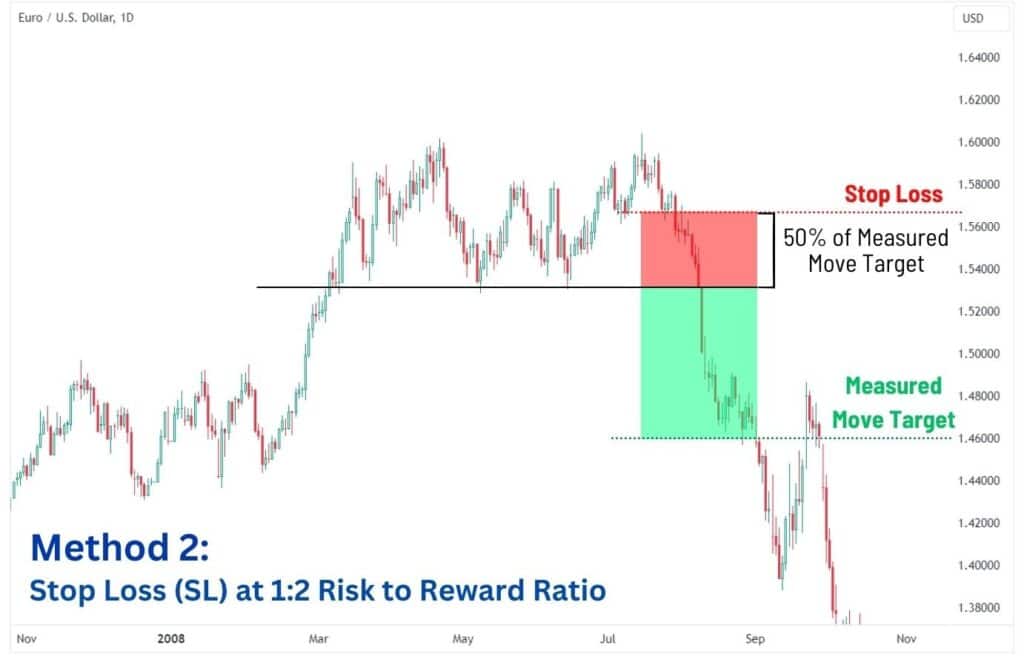
- Embrace Risk Management: This is the bedrock of successful trading. Set stop-loss orders to limit your potential losses on each trade. Calculate the amount you're willing to risk before you even enter a position. This way, even if a trade goes against you, the impact is controlled.
- Diversify Your Portfolio: Don't put all your eggs in one basket. Spread your investments across different asset classes, sectors, and geographies. This helps to mitigate risk, as losses in one area can be offset by gains in another.
- Do Your Homework: Don't rely on hunches or rumors. Conduct thorough research before making any trading decisions. Understand the fundamentals of the assets you're trading, analyze market trends, and stay informed about relevant news and events.
- Control Your Emotions: Fear and greed are the enemies of rational decision-making. Avoid making impulsive trades based on emotions. Stick to your trading plan, and don't let short-term market fluctuations derail your long-term strategy. It can be tempting to buy more of a losing trade, but often, it’s a bad idea.
- Learn from Your Mistakes: Everyone makes mistakes in the trading markets. The key is to learn from them. Analyze your losing trades, identify the errors you made, and adjust your strategy accordingly. Keep a trading journal to track your progress and identify patterns.
- Take Breaks: Constant monitoring can lead to burnout and poor decision-making. Step away from the screen regularly to clear your head and recharge.
- Consider a Trading Simulator: Practice in a risk-free environment before risking real money.
Remember, trading markets are dynamic and unpredictable. There will be ups and downs. The key to enjoying it more effectively is to embrace risk management, stay informed, control your emotions, and learn from your mistakes. Trading should be a calculated, disciplined, and (dare we say it?) even an enjoyable activity. Happy trading!