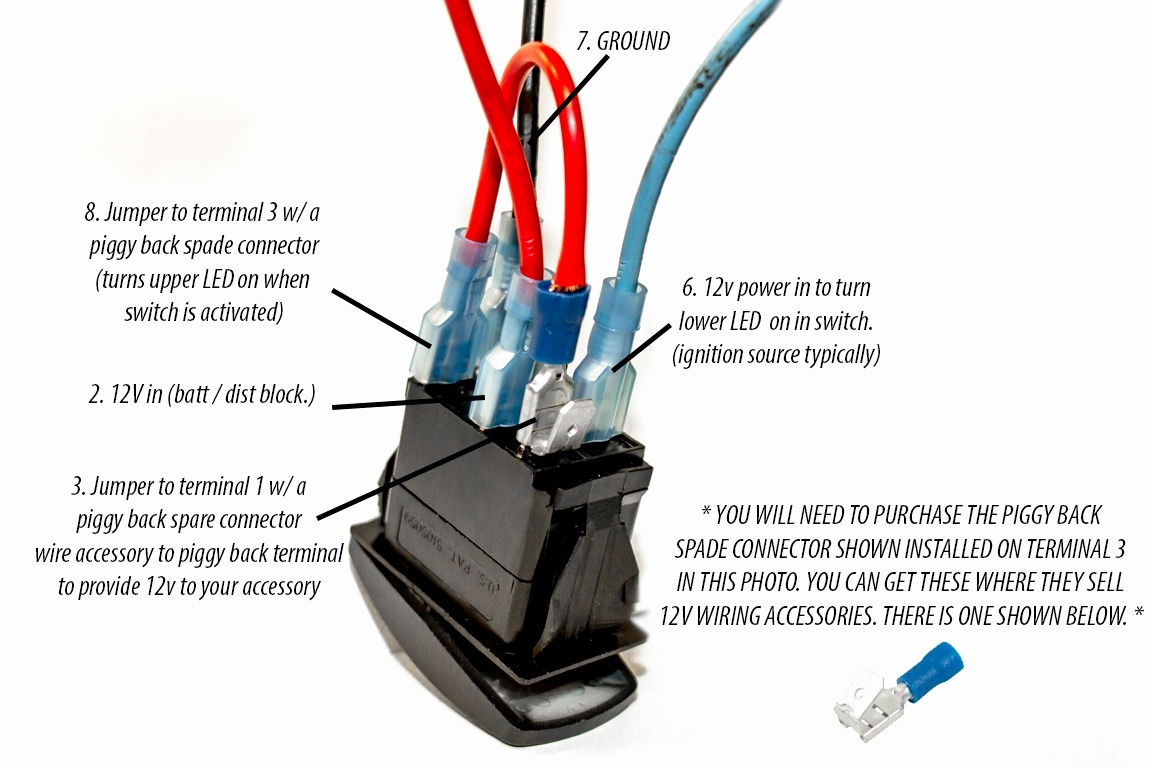
6 Pin Rocker Switch Wiring Diagram

Ever feel like you're playing electrical engineer when all you wanted was a simple on/off switch? Well, sometimes DIY projects throw us a curveball, and that curveball often comes in the form of a 6-pin rocker switch. Don't let those extra pins intimidate you! Understanding the wiring diagram is simpler than you might think, and mastering it opens up a world of possibilities for customizing your projects. It’s like unlocking a secret level in your DIY game!
So, what’s the big deal about a 6-pin rocker switch anyway? Unlike a standard on/off switch with just two terminals, a 6-pin version, often called an ON-ON-ON switch or DPDT (Double Pole Double Throw), offers much more flexibility. Think of it as a traffic controller for electricity. You can use it to control two separate circuits simultaneously, switch between multiple power sources, or even reverse the polarity of a motor. It's basically a mini-powerhouse for your projects!
The primary purpose of a 6-pin rocker switch is to provide versatile control. Instead of a simple on/off function, you can achieve configurations like:
Must Read
- Switching between two different devices connected to the same circuit.
- Activating different features on a single device.
- Controlling the direction of a DC motor (forward/reverse).
- Creating complex lighting setups.
The benefits are clear: greater control, increased functionality, and the ability to tailor your projects precisely to your needs. No more limitations with a basic on/off switch!
Now, let's talk about that wiring diagram. While it might look daunting at first, breaking it down simplifies the process. Imagine the switch as having two separate, independent switches side-by-side. Each switch has three pins: a common pin (usually in the center) and two output pins (one on each side). The diagram will show how these pins connect to your power source and the devices you want to control.
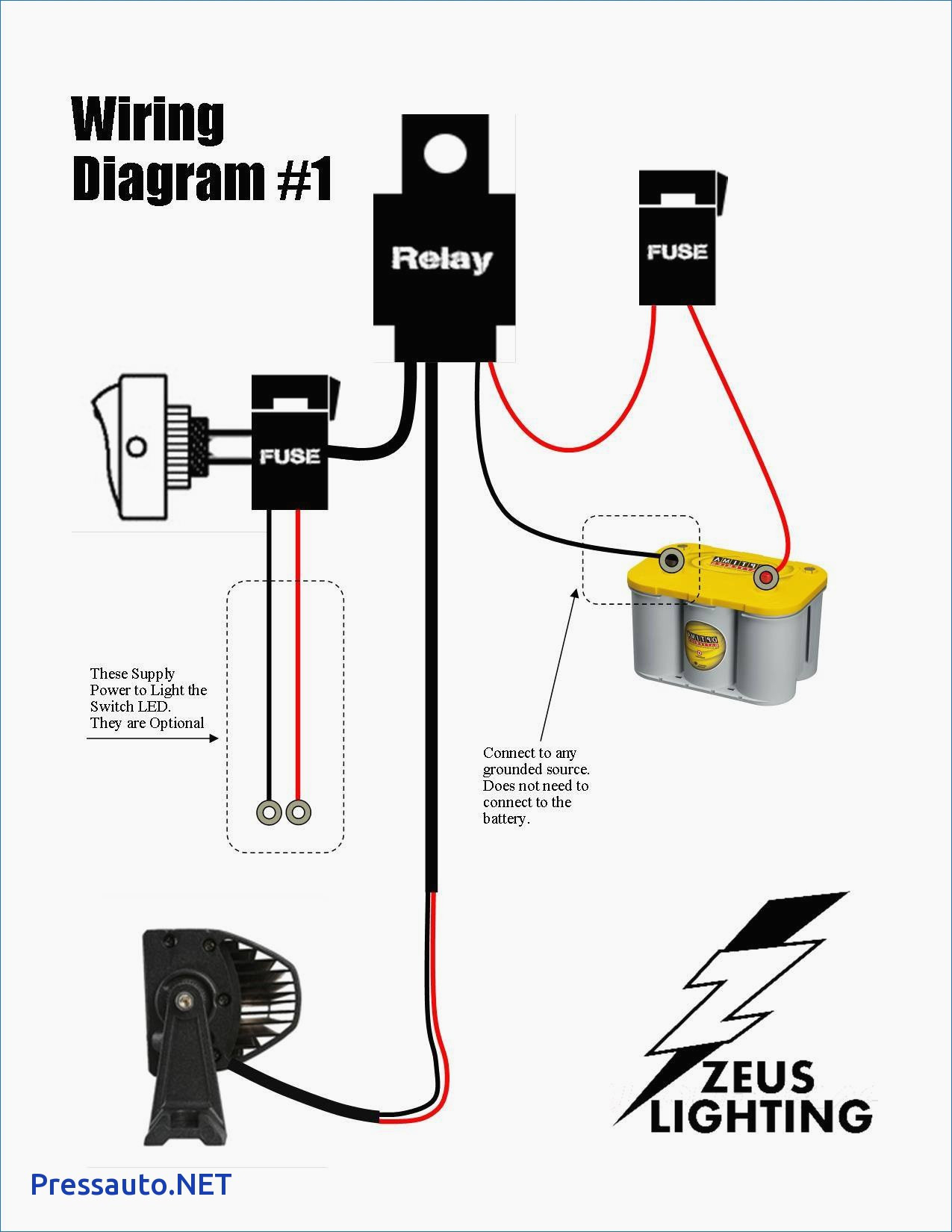
Here's a simplified approach to understanding the diagram:
- Identify the pins: Most switches have markings (numbers or symbols) indicating the function of each pin.
- Determine your goal: What do you want the switch to do? Switch between two lights? Control a motor? Knowing your desired outcome is crucial.
- Consult the diagram: Look closely at the diagram to see which pins are connected in each switch position (ON-ON-ON).
- Connect accordingly: Carefully wire your power source and devices to the appropriate pins based on the diagram and your desired function.
Remember to always disconnect the power source before working on any electrical project! If you're unsure about anything, it's always best to consult with a qualified electrician. But with a little patience and understanding, mastering the 6-pin rocker switch wiring diagram will empower you to take your DIY projects to the next level. So, grab your wire strippers and get ready to unlock the potential of this versatile switch!