11 Things That Make Sleep Apnea Worse
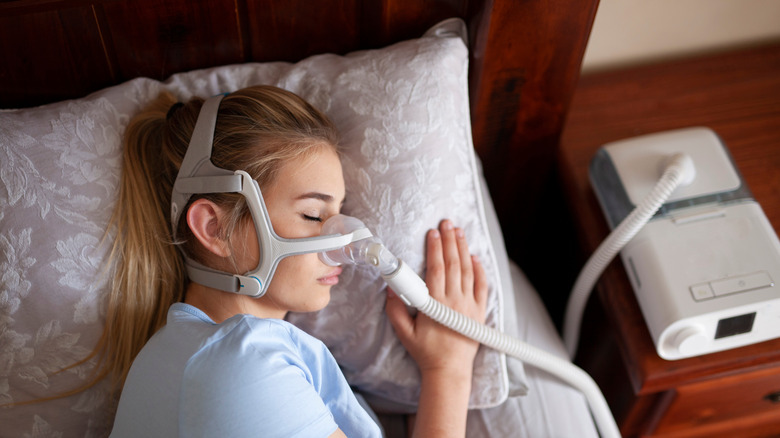
Sleep. It's that nightly rendezvous we all crave, a restorative escape from the daily grind. But for some, that escape is more of a struggle, a disrupted journey punctuated by gasps and snores. We're talking about sleep apnea, that pesky condition where breathing repeatedly stops and starts during slumber. While treatment is key, understanding what aggravates it is equally important. So, grab your favorite chamomile tea (decaf, of course!), and let's dive into 11 things that might be making your sleep apnea worse.
1. Extra Pounds: The Weighty Issue
We've all heard it before: weight plays a role in overall health. And sleep apnea is no exception. Excess weight, especially around the neck, can narrow your airways, making them more prone to collapse. Think of it like wearing a too-tight turtleneck 24/7, but only feeling the pinch when you're horizontal. Losing weight, even a little, can make a significant difference.
2. Back Sleeping: The Gravity Game
Remember Newton and that apple? Gravity is always at play, and when you're lying on your back, it can cause your tongue and soft tissues to fall backward, obstructing your airway. Try sleeping on your side. Need a little help staying put? Sew a tennis ball into the back of an old t-shirt. Trust us; it works! It's like having a built-in, low-tech posture corrector for your sleep.
Must Read
3. Alcohol: The Nightcap Nightmare
That glass of wine before bed might seem like a relaxing ritual, but alcohol relaxes all your muscles, including those in your throat. This increased relaxation can lead to more airway collapse and more frequent apneas. Limit your alcohol intake, especially in the hours leading up to bedtime. Think of it this way: your body needs to run a marathon of rest, and alcohol is like trying to run it in flip-flops.
4. Sedatives: The False Sense of Calm
Similar to alcohol, sedatives and sleeping pills can relax your throat muscles, exacerbating sleep apnea. Always talk to your doctor about the potential risks and benefits before taking any medication, especially if you already have sleep apnea. It’s about finding the right harmony for your body, not silencing the signals.

5. Smoking: The Lung Irritant
Smoking irritates and inflames the airways, leading to swelling and increased mucus production. This makes it harder to breathe and can worsen sleep apnea. Quitting smoking is one of the best things you can do for your overall health, including your sleep. Need help quitting? There are resources available—take advantage of them!
6. Nasal Congestion: The Blocked Path
Whether it's from allergies, a cold, or sinus problems, nasal congestion forces you to breathe through your mouth, which can increase the likelihood of airway collapse. Use a nasal saline spray or a humidifier to keep your nasal passages clear. A steamy shower before bed can also work wonders. Think of it as giving your nose a little spa treatment.
7. Large Meals Before Bed: The Digestive Disturbance
Eating a heavy meal close to bedtime can put pressure on your diaphragm, making it harder to breathe comfortably. Plus, it can contribute to acid reflux, which can further irritate your airways. Opt for a lighter, earlier dinner and give your body time to digest before hitting the hay. You wouldn't try to run a race right after Thanksgiving dinner, would you?

8. Certain Medications: The Hidden Culprits
Some medications, like antihistamines and decongestants, can have a drying effect, making mucus thicker and harder to clear. Discuss your medications with your doctor to see if any might be contributing to your sleep apnea. Knowledge is power, and knowing what's going into your body is crucial.
9. A Large Neck Circumference: The Physical Factor
A larger neck circumference is often associated with increased fat deposits around the neck, which can compress the airway. While you can't spot-reduce fat, focusing on overall weight loss and healthy lifestyle changes can help. It's about working with your body, not against it.
10. A Deviated Septum or Enlarged Tonsils: The Anatomical Roadblocks
Structural abnormalities in your nose or throat, like a deviated septum or enlarged tonsils, can obstruct your airway and contribute to sleep apnea. These issues can often be corrected with surgery. If you suspect a structural problem, talk to your doctor about possible solutions.
11. Dehydration: The Thirst Trap
Staying hydrated is crucial for overall health, and it also helps keep the mucus in your airways thin and flowing. When you're dehydrated, mucus can become thick and sticky, making it harder to breathe. Aim to drink plenty of water throughout the day, especially before bed. Carry a reusable water bottle as a friendly reminder to stay hydrated.
Sleep apnea is a complex condition with many contributing factors. By understanding these triggers, you can take steps to minimize their impact and improve your sleep. Remember, small changes can make a big difference. It's not about achieving perfect sleep every night, but about consistently striving for a healthier and more restful you. So, tonight, try just one of these tips and see how it goes. Sweet dreams (and easier breaths)!