
Wwf Adopt An Animal Reviews
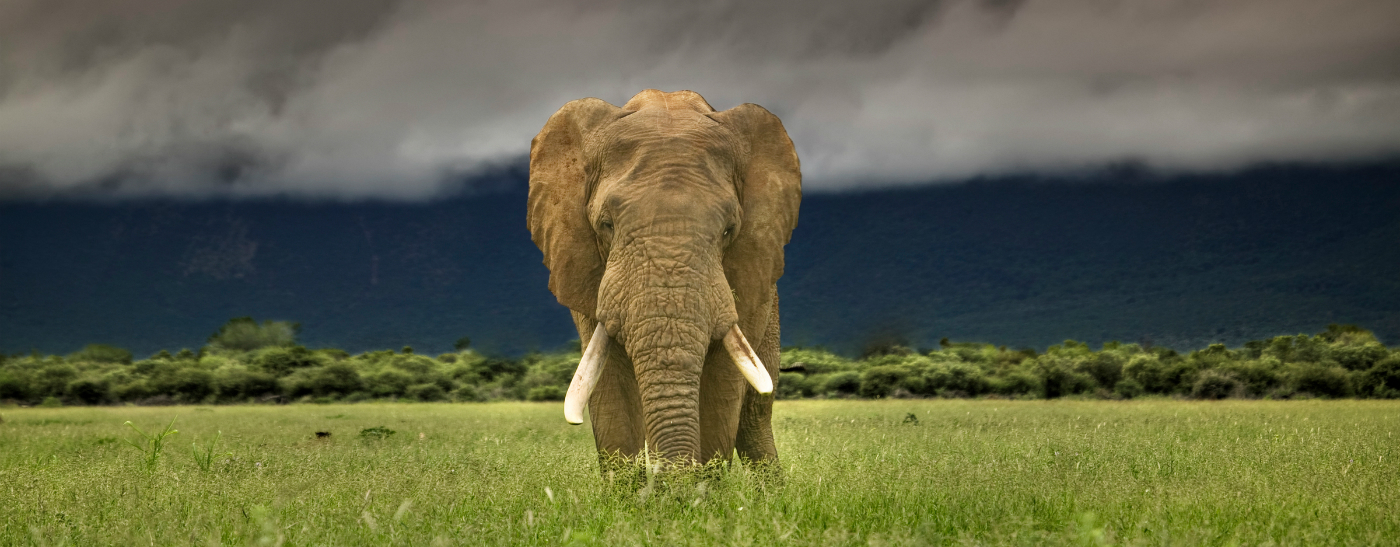
Okay, let's talk about something I've been pondering. WWF's Adopt An Animal program. You know, the one where you symbolically adopt a cute creature? I've got some thoughts.
Don't get me wrong, I love animals. I'm a sucker for fluffy faces and sad eyes, just like everyone else.
The Warm Fuzzy Feeling
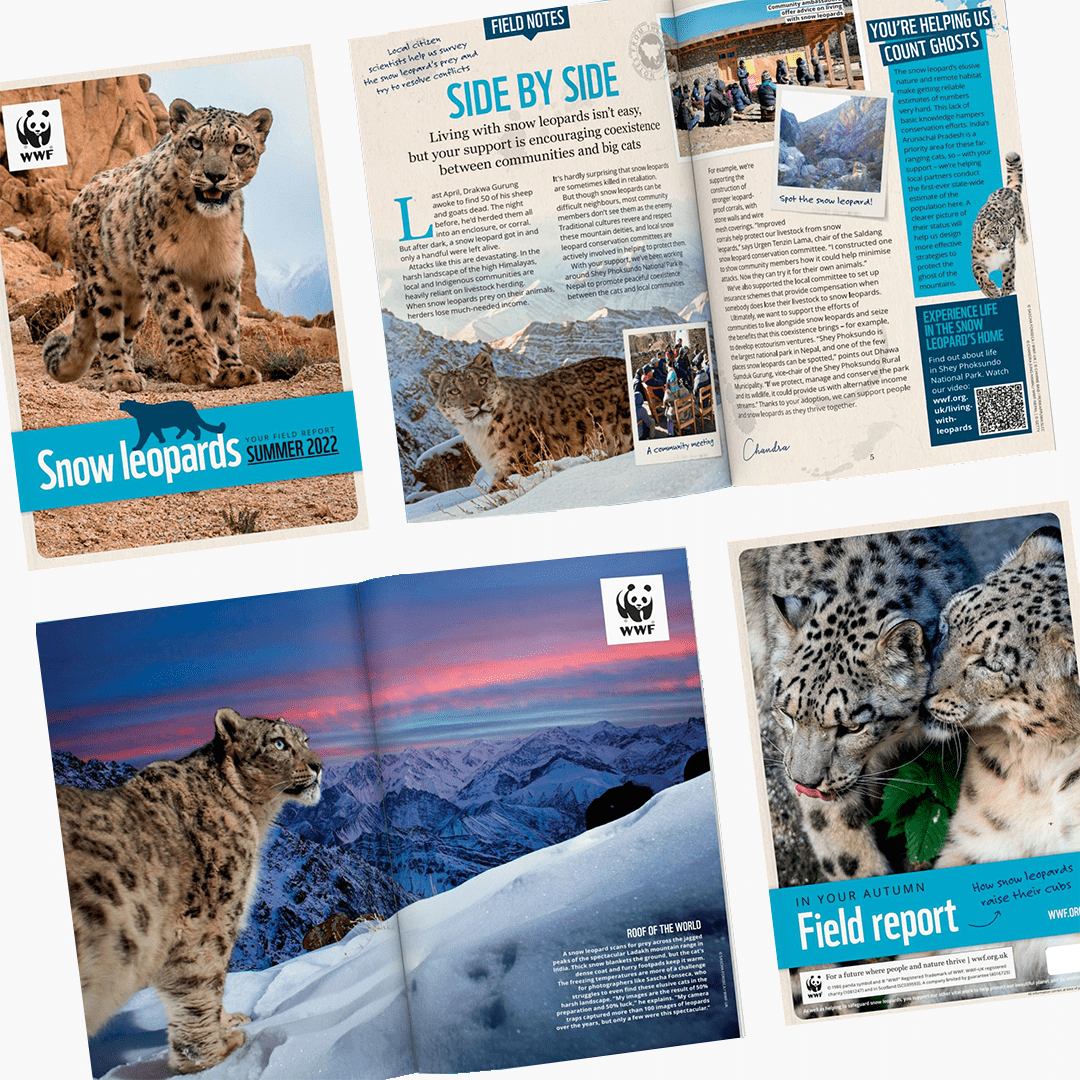
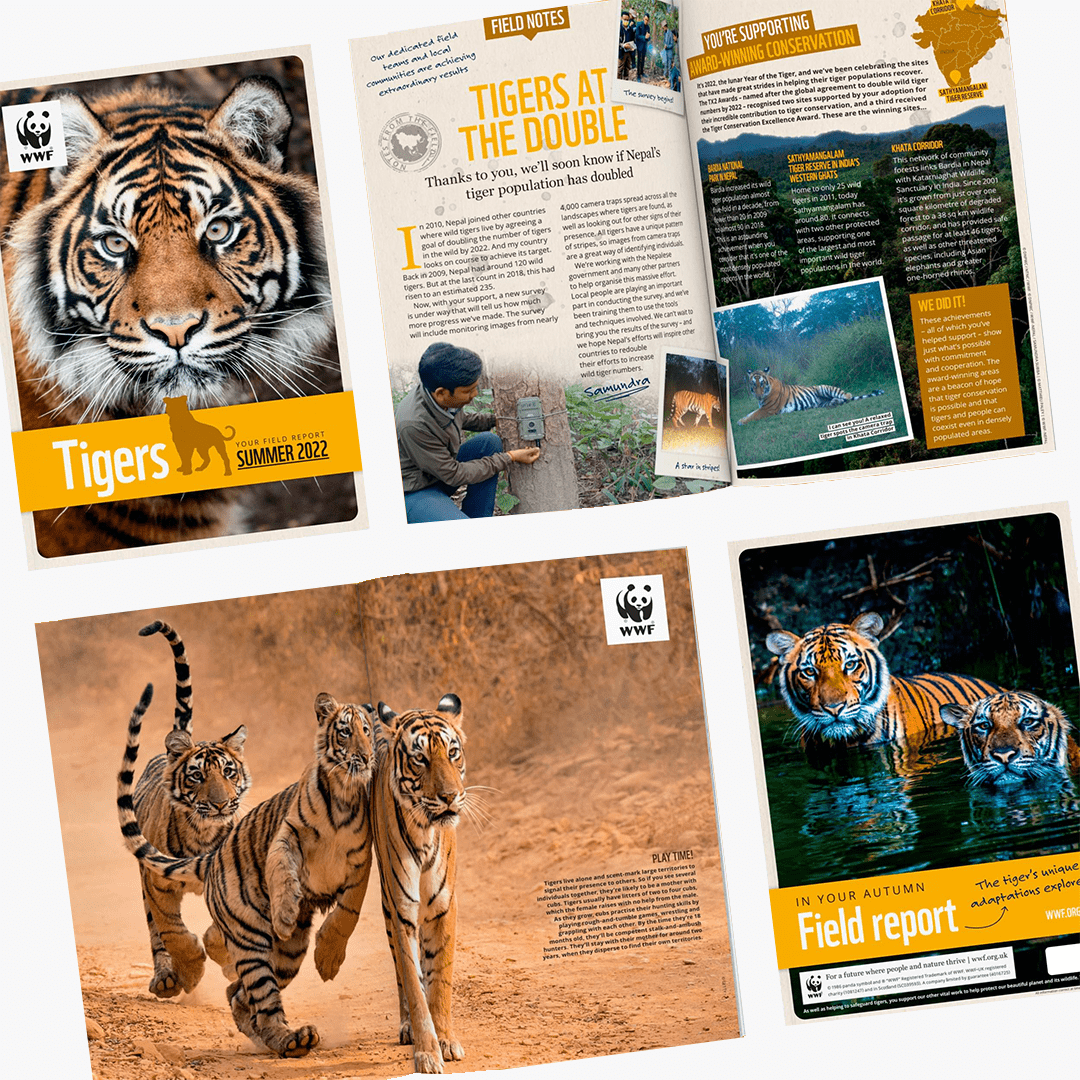
First off, there's that amazing feeling you get. Choosing your animal, printing out the certificate. It's like you've single-handedly saved a snow leopard!
Must Read
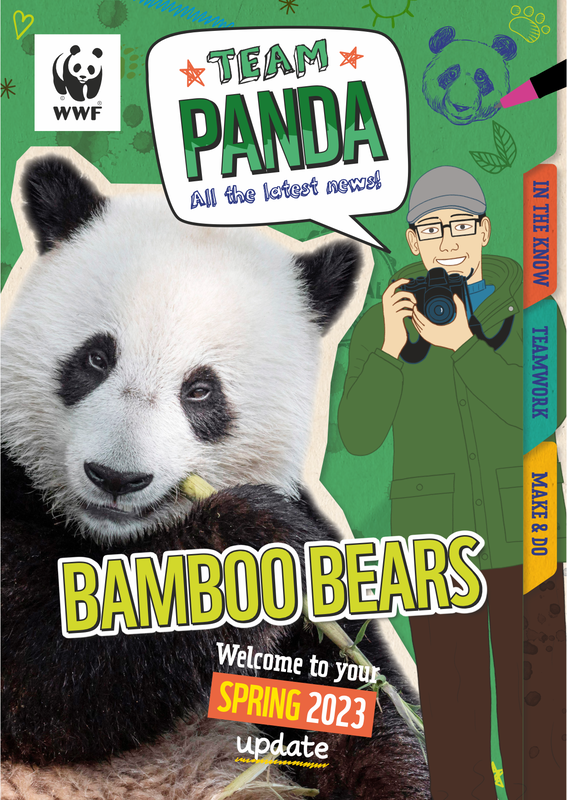
You get a little plushie, maybe some cool facts about your chosen species. Suddenly, you're an expert on orangutans.
But, does that warm fuzzy feeling actually translate into real-world change? That's the question, isn't it?
The Plushie Problem
Let's be honest, the plushie is adorable. I have a whole shelf dedicated to adopted animal plushies.
But after the initial cuteness wears off, what happens? Does it sit on a shelf collecting dust? Does it become the dog's chew toy?
I'm not saying the plushie is bad. But maybe the money spent on manufacturing and shipping it could have gone directly to conservation efforts?
The Guilt Factor
They are so good at making you feel guilty, aren't they? Those big, pleading eyes staring out from the brochures.
"Save me," they seem to say. "Just a small donation can help!"
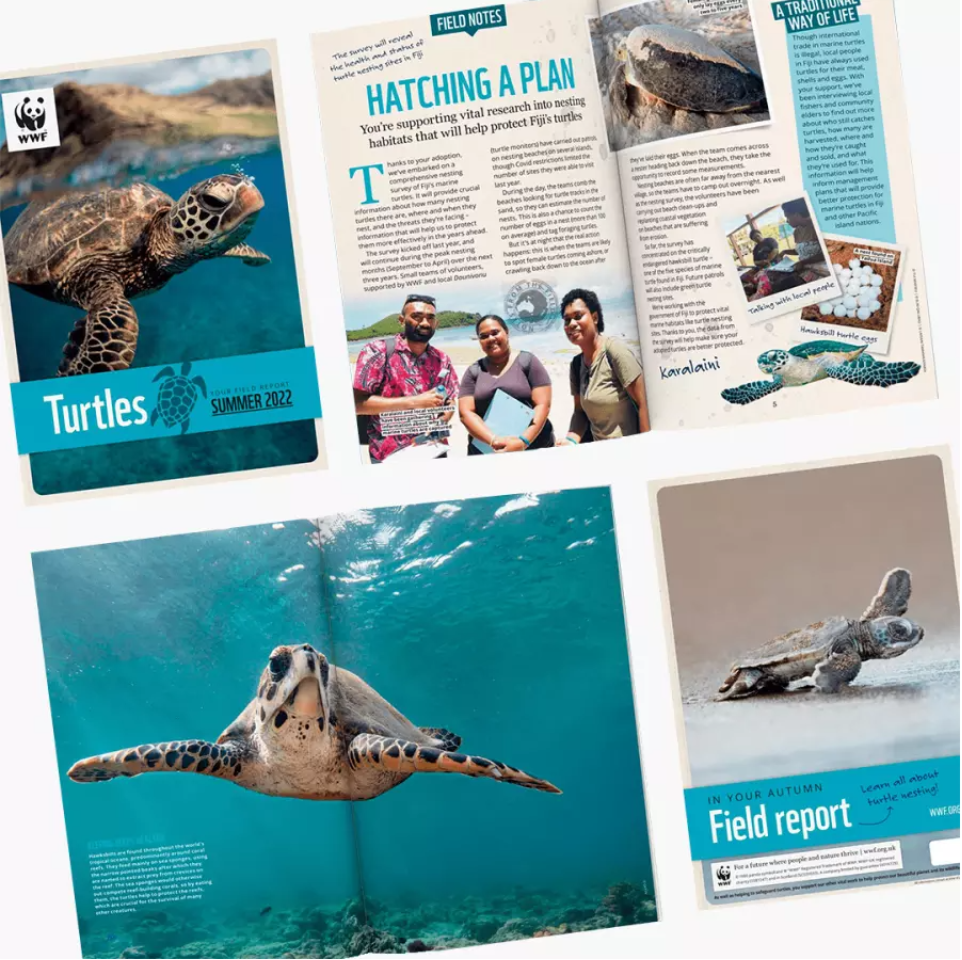
And of course, you want to help! Who wouldn't want to save a sea turtle from plastic pollution?
But Where Does the Money REALLY Go?
This is the big question, isn't it? We donate with the best intentions. We hope our money is going directly to protecting pandas in the wild.
But how much actually reaches the animals? How much goes to administrative costs, marketing, and those adorable plushies?
Transparency is key. We need to know exactly where our money is going.
The Unpopular Opinion
Okay, here it is, my potentially controversial take. Maybe, just maybe, there are more effective ways to donate to conservation efforts.
Perhaps directly donating to smaller, local organizations with a proven track record. These are the organizations often working on the front lines.
Or even volunteering your time at a local wildlife sanctuary. Getting hands-on experience can be incredibly rewarding.
Adoption is Great... In Theory
I'm not saying the WWF Adopt An Animal program is bad. It raises awareness, and it gets people thinking about conservation.
The thought of directly helping a specific animal is really appealing.
It gets kids excited about saving the planet. Which is a fantastic thing.
But Consider This
Before you click that "Adopt Now" button, take a moment to research. Look into different conservation organizations.
Consider where your money might have the biggest impact. Maybe your donation could help protect a whole ecosystem, not just one fluffy Arctic fox.
Think about it: supporting sustainable fishing practices, reducing your carbon footprint, or even just educating your friends and family.
Final Thoughts
Ultimately, any effort to help animals is a good thing. Whether it's adopting a sloth or reducing your plastic consumption.
But let's be smart about it. Let's make sure our donations are truly making a difference.
Let's not just rely on the warm fuzzy feeling. Let's demand transparency and accountability from conservation organizations.
So, next time you think about adopting an animal, ask yourself: What's the best way I can help?
And maybe, just maybe, that answer isn't always a plushie.
Disclaimer
This is just my opinion. I am not an expert on conservation or the WWF. Do your own research and make informed decisions.