Wood Paper And Fabric Fire Extinguisher
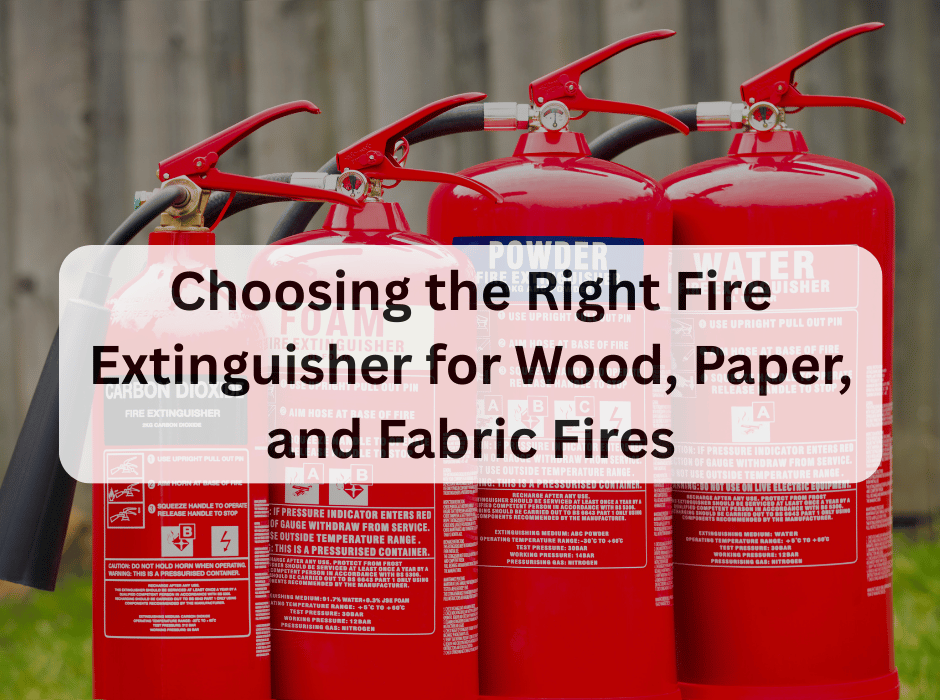
Okay, so picture this: you’re just minding your own business, maybe scrolling through your phone, enjoying a quiet evening, and then… poof! Something decides it wants to spontaneously combust. Not ideal, right? Fires are a total buzzkill, pure and simple. But here’s a thought: have you ever actually stopped to consider which fire extinguisher you’d grab in that moment of mild panic? Because, and this is a pretty big spoiler alert, they are absolutely not all created equal. Nope, not even a little bit!
Today, we’re going to chat about the OG fire type, the kind that probably accounts for, like, 90% of your everyday "oopsie" fires. We're talking about blazes involving wood, paper, and fabric. Yeah, pretty much all the stuff that makes up your cozy home, right? Your comfy sofa? Fabric. That stack of brilliant books you swear you’re going to read? Paper. Your beautiful, slightly-too-expensive wooden coffee table? Well, you get the drift. These are what the super-smart fire safety folks call Class A fires.
Sounds kinda fancy, doesn’t it? Like something out of a spy movie. But really, it just means fires that involve common, combustible materials. Think about it: a campfire gone wild (wood!), that overflowing recycling bin (paper!), or even your favorite cotton t-shirt if it gets too close to a rogue spark (fabric!). Basically, anything solid and organic that, when it burns, leaves behind a lovely pile of ash. We’re talking about those classic, smouldering infernos you see in cartoons, just, you know, hopefully on a much smaller scale in real life. No giant cartoon character running with an even bigger bucket, sadly!
Must Read
So, What's Our Hero for These Fires?
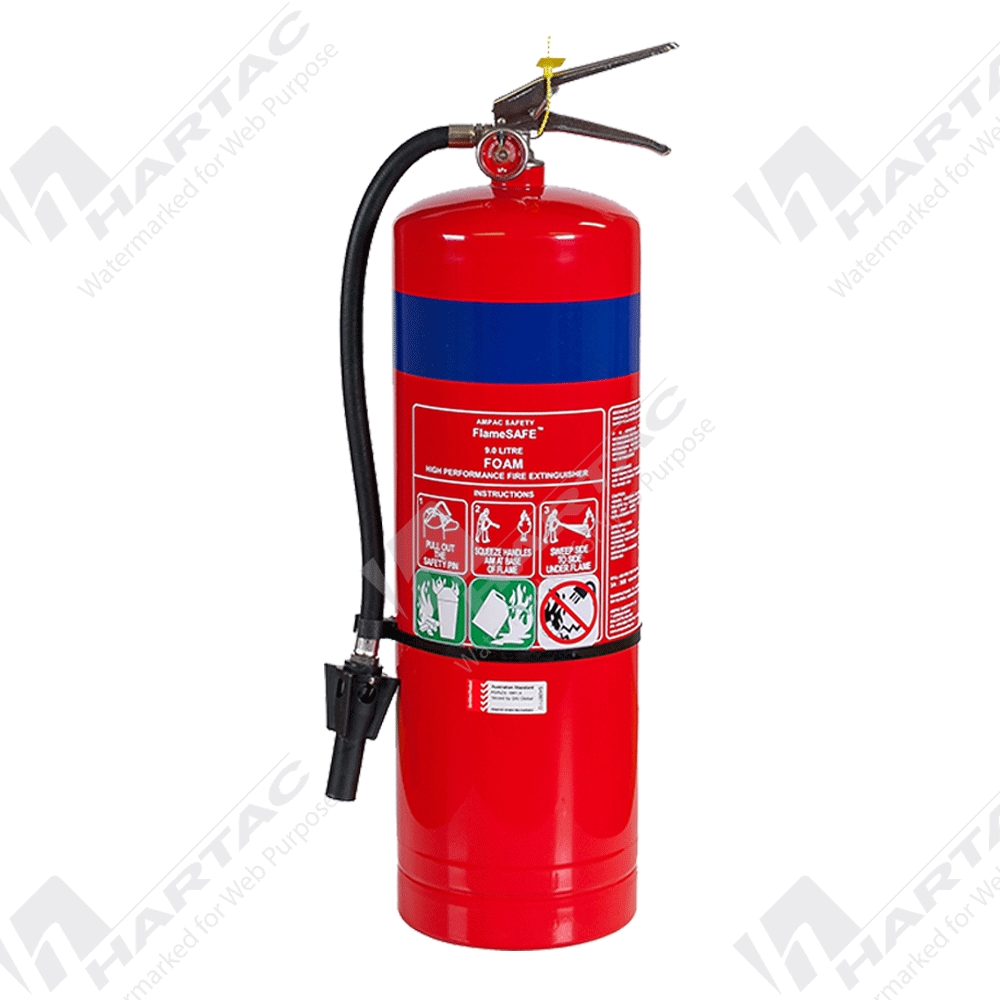
Alright, so we know what we’re up against. What’s our trusty sidekick in this battle against the everyday blaze? Drumroll, please… it’s usually a water or foam extinguisher! Bet you didn't see that coming, huh? Sometimes, the simplest solutions are the best. It’s often just good old H2O, under pressure and ready to rumble, or a slightly more sophisticated, foamy cousin. Nothing super high-tech or alien-looking for these specific types of fires; just a red canister packed with the wet stuff, ready to save the day.
And how does this liquid magic actually work, you ask? Well, imagine your fire as a super-hot, really angry entity. Water, bless its little heart, comes rushing in and basically says, "Nope! You’re getting a serious cool-down, buddy." It works by cooling the fuel down below its ignition point. Think about dousing a campfire with a bucket of water – same exact principle. It effectively takes away the heat, which, for those who love a little science, is one of the three crucial ingredients for a fire (the famous "fire triangle" of fuel, oxygen, and heat).
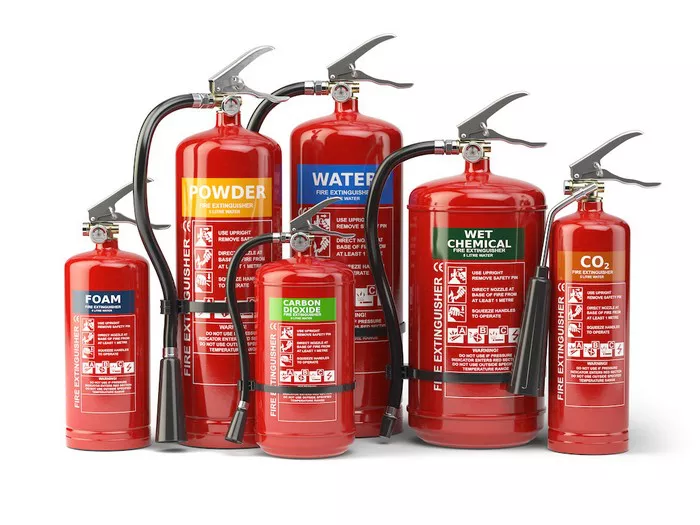
Foam extinguishers do a similar job, but they also create a lovely, smothering blanket over the fire. This blanket not only cools things down but also prevents precious oxygen from getting to the flames, effectively suffocating the fire. Two birds, one foamy stone! Pretty clever, right? It's like putting a really thick duvet on a naughty flame. We love efficiency!
Why Does Any of This Even Matter?
You might be thinking, "This is all very interesting, but why do I care?" Well, my friend, knowing this stuff isn't just for impressing your friends at your next trivia night (though, totally do that!). It's about safety, my friend, serious safety. Grabbing the wrong extinguisher in a panic can actually make a bad situation catastrophically worse. Like, trying to put out an electrical fire with a water extinguisher? Big nope! You’d just be conducting electricity and, well, that’s a whole different kind of sparks flying, and not the fun kind. Or an oil fire? Water would just spread that oily mess faster than you can say "fire hazard!"

So, understanding what a Class A fire is means you instinctively know when to reach for that familiar red canister that usually says 'WATER' or 'FOAM' right on the label. Always, always, always check those labels, people! It’s like reading instructions for flat-pack furniture, but way more important (and probably less frustrating).
A Few Friendly Reminders (and an Important Warning!)
Most homes should have at least one of these handy heroes, probably stashed in the kitchen or garage. You know, just in case that rogue toaster decides to get a little too toasty, or your candle has a minor existential crisis. And here's the absolute biggest, most crucial takeaway: these extinguishers are for small, contained fires only. We’re talking about something no bigger than a wastepaper basket. If it’s any larger than that, or if you feel even an ounce of "uh oh, this is getting out of hand" in your gut, your first and most important move is always, always, GET OUT of there and CALL 911 (or your local emergency number!).

Seriously, be a hero by being smart. Your stuff can be replaced, but you, my dear friend, absolutely cannot! No amount of wood, paper, or fabric is worth risking your safety. Think of it as knowing your limits – both yours and the extinguisher's. And let's be honest, watching the pros handle it is way more exciting than fumbling around yourself, anyway!
So there you have it! A quick, chatty dive into the surprisingly interesting world of wood, paper, and fabric fires, and their trusty, watery (or foamy) nemesis. It’s kinda cool, right? Knowing a little bit about how these everyday fire-fighting heroes work. Now, go forth, be fire-aware, and maybe give your smoke detector a little pat of appreciation. Stay safe out there, okay? And remember, when in doubt, just evacuate! Cheers!