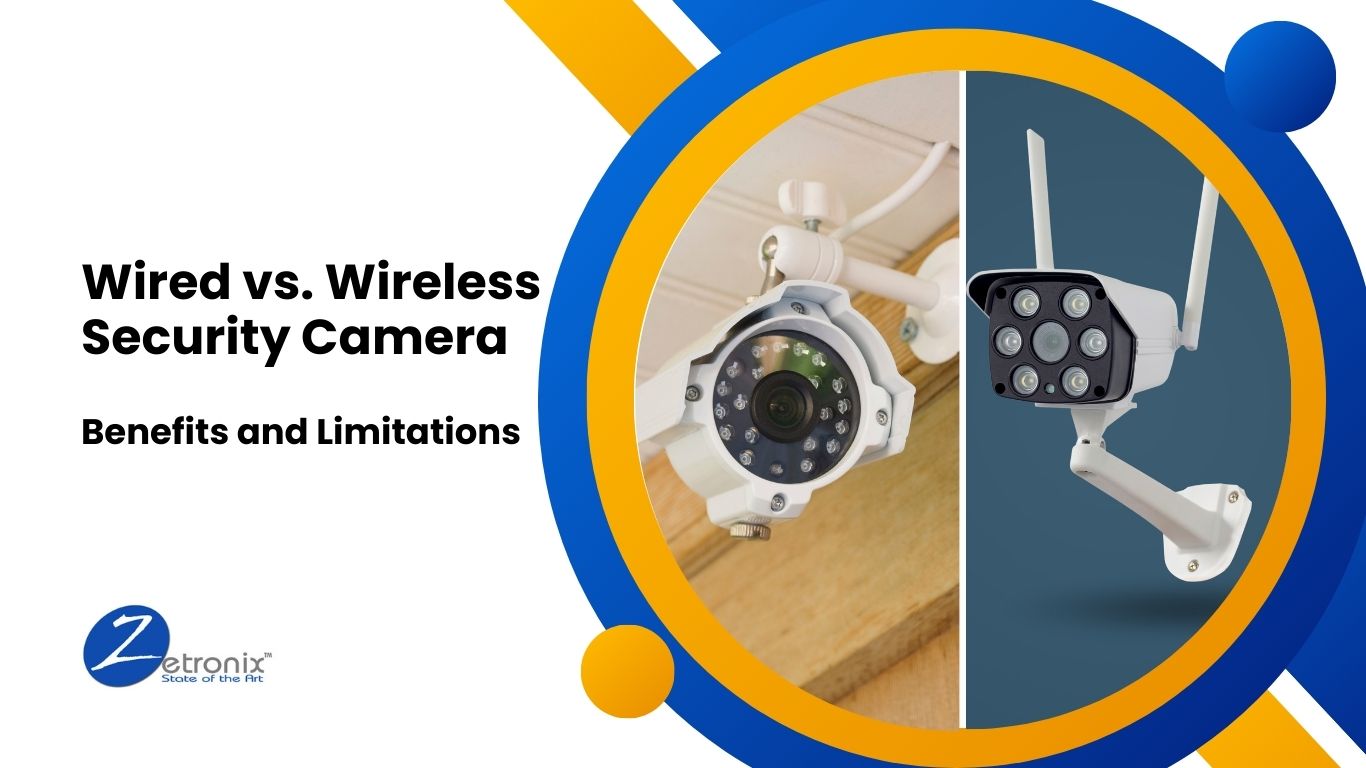
Wireless Versus Wired Security Cameras
 Remember the good old days when security meant a barking dog, a sturdy lock, and maybe a grumpy neighbor keeping an eye out? Ah, simpler times. Now, we’ve got these fancy gadgets watching our backs, and two big players dominate the field: wireless and wired security cameras. It’s like choosing between a sleek smartphone that does everything but make coffee, and your grandma’s trusty old landline that just… works. Both promise peace of mind, but how do they stack up when it comes to keeping your digital perimeter safe? Let’s dive in, grab a cuppa, and ponder this modern dilemma.
The Freedom Fighters: Wireless Cameras
Oh, the allure of wireless! No pesky cables, no drilling until your arm feels like jelly. You just slap it up, connect to your Wi-Fi, and voilà! Instant surveillance. It’s the ultimate DIY dream, making you feel like a tech wizard. My buddy Dave installed his in 15 minutes, 10 of which were spent finding the ladder.But that freedom comes with quirks, especially for security. Imagine your dog's invisible fence. What if someone cuts its power? Poof! Dog's gone. Wireless cameras face similar challenges.
First, Wi-Fi vulnerability. Your camera needs your home network. If your Wi-Fi is as secure as a sieve, your footage might be too. It’s like leaving your digital front door unlocked. Anyone with a bit of know-how could snoop. Strong passwords and encryption are your best friends. Don't be that person using '123456'.
Then there’s signal jamming. Ever had your TV signal disappear during a crucial scene? Annoying, right? Someone with a cheap device can blind your wireless cameras by messing with their signal – the digital equivalent of holding a blanket over your eyes. Not ideal! Placement and a backup plan are key.
Must Read
And let's not forget battery woes. Most run on batteries, which often die at the worst times – like your phone at 1% when lost. A dead camera is a blind camera, offering zero security. Unless you enjoy constant recharging, this is a significant operational point. Reliable power is paramount.
Finally, your footage often lives in the cloud. Convenient for access anywhere, but it means trusting a third-party server. It's like storing all your embarrassing childhood photos in a public library; you're just hoping no one goes digging without permission. Choosing reputable brands with robust cloud security and two-factor authentication is crucial.

The Old Faithfuls: Wired Cameras
Now, the grand old duke of security cameras: the wired system. These are the workhorses, the steadfast guardians. Think of them as the landline telephone of the camera world – not as flashy, but reliable. Once installed, they’re usually there for the long haul, doing their job without a fuss. My uncle swore by his; he’s convinced Wi-Fi is "the devil's network." Bless his analogue heart.The biggest perk? Rock-solid connection. Physically connected, you don't worry about Wi-Fi dropouts or interference. It’s a direct pipeline, ensuring a consistent, unbroken stream. Less chance of blind spots or missed moments, which is pretty important for security.
And then there's continuous power. No batteries to swap, no frantic dashes to recharge. Wired cameras are powered directly through their cables, meaning they're always on, always watching (unless there’s a total house power cut). It's the ultimate 'set it and forget it' solution, giving you peace of mind.
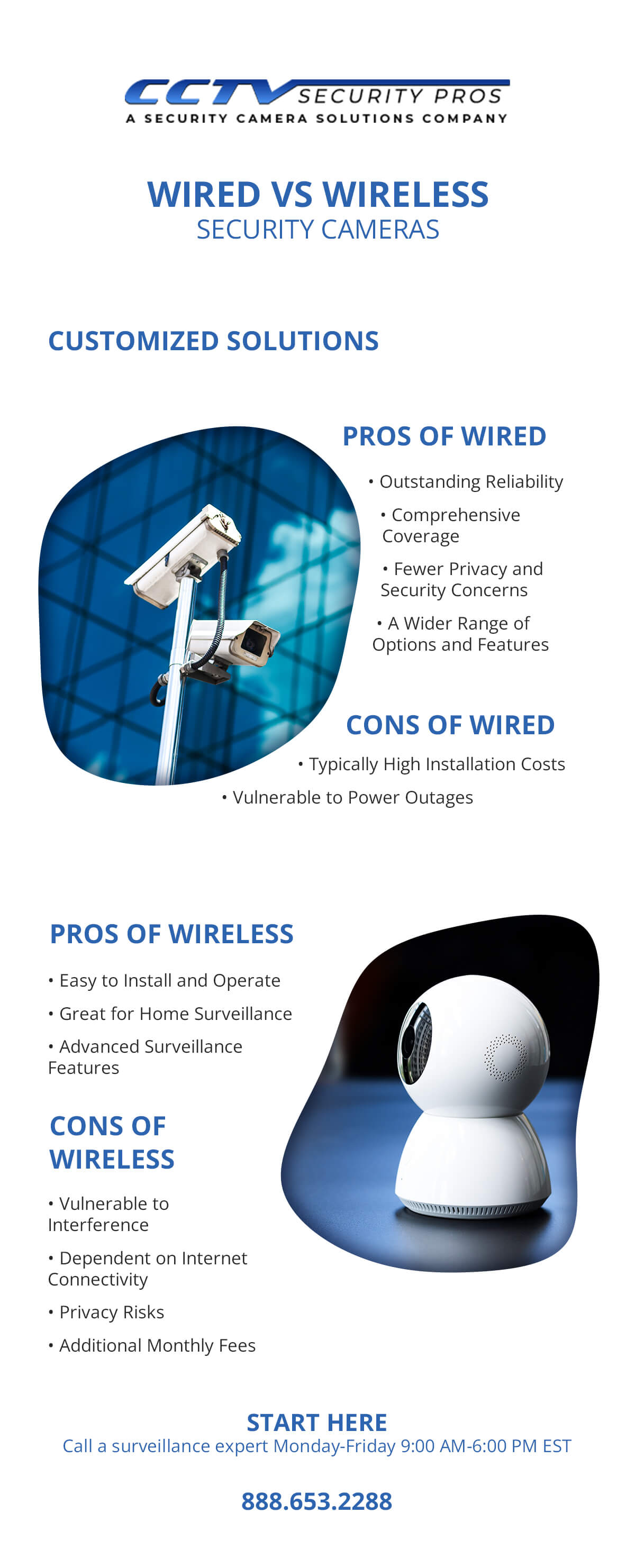
However, even the most loyal guard dog has its Achilles' heel: physical tampering. If wires are easily accessible, snips can cut the cord, severing the connection. It’s like cutting your garden hose – no water! Careful installation and concealment of cables are paramount. Through-wall runs make them much harder to disable.
Another "fun" aspect? The installation nightmare. Running wires means drilling, snaking cables, patching walls. It can turn a simple weekend project into a multi-week saga involving bruised thumbs and marital strain. My buddy ended up with a wire across his living room floor for three months. Not subtle. Professional installation often makes sense here.

Finally, the DVR/NVR unit, the brain of your wired operation, needs a secure home. If someone bypasses cameras and gets the recorder, all your footage could be compromised. It's like hiding your secret diary under your mattress, then leaving the house keys under the doormat. Hide it well, perhaps in a locked cabinet, to protect your precious recordings.
So, Which One Wins the Security Derby?
Honestly? Neither, and both. It’s not a knockout, but more like a tag-team match where a mix of both worlds often wins. Your perfect setup depends entirely on your needs, budget, and DIY tolerance.If you value flexibility and ease, wireless might be your jam – just beef up your Wi-Fi security like Fort Knox and mind those batteries. If you prioritize unwavering reliability and a direct, tamper-resistant connection, wired cameras are your sturdy steed – just prepare for the installation adventure (or hire someone!).
Ultimately, whether wireless or wired, remember that security is less about the gadget and more about how you use it. It's about strong passwords, smart placement, and choosing reputable brands. Think of it as putting on pants: you wouldn't go out without them, and you wouldn't pick pants with holes, would you? So, choose your camera 'pants' wisely, keep an eye on them, and you'll be well on your way to a more secure home. Smile, nod, and secure!