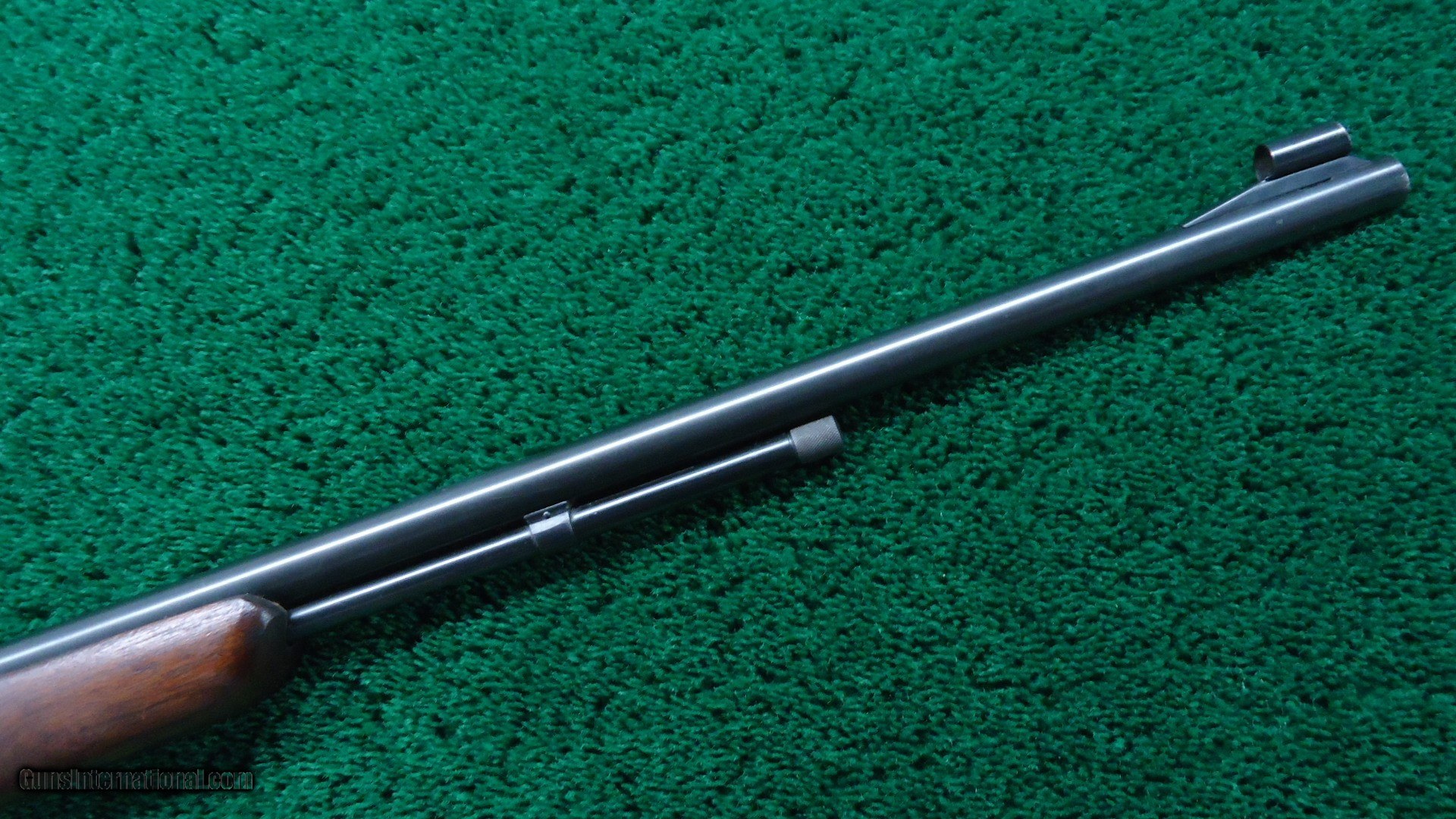
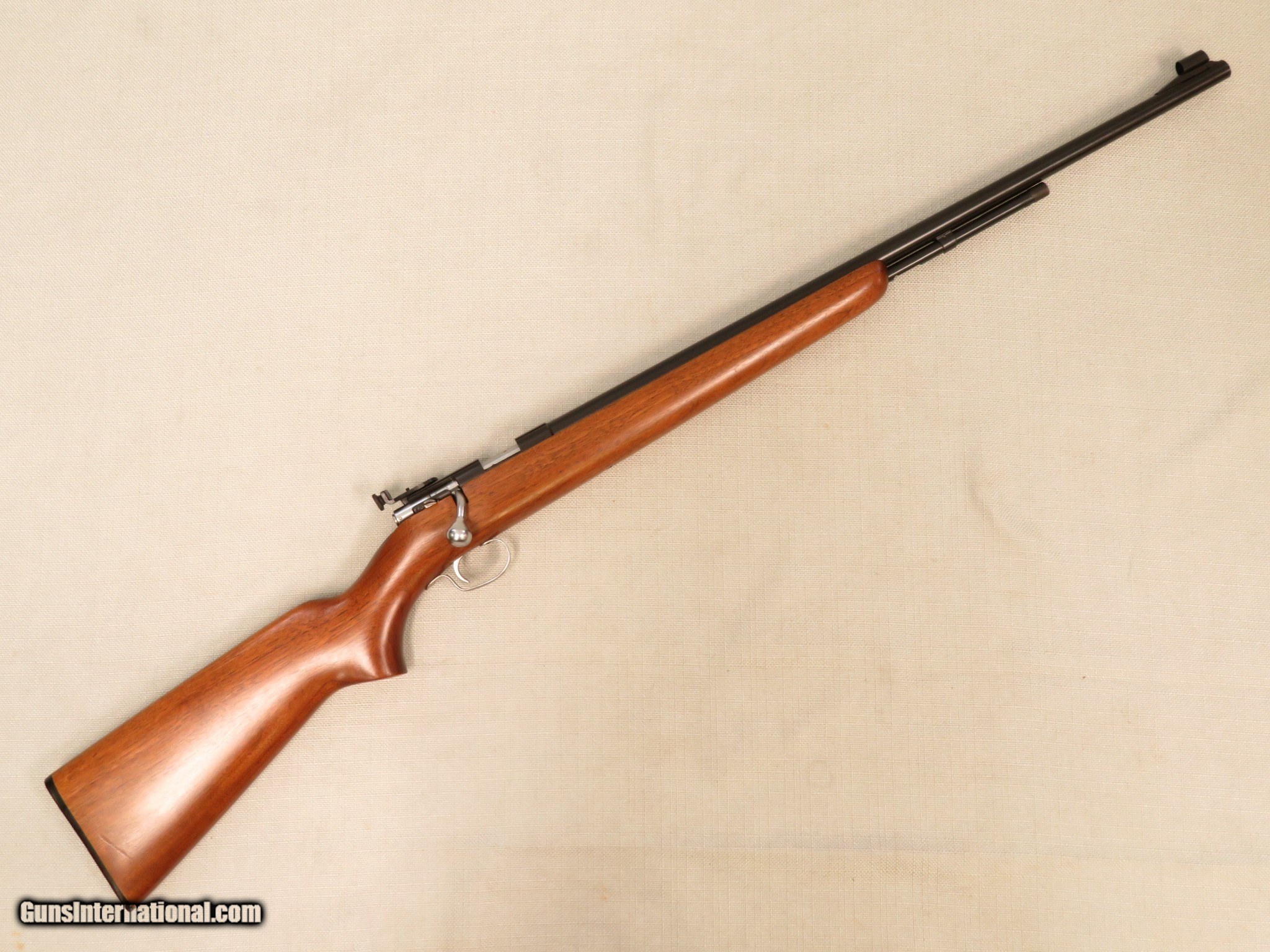
Winchester 72-22 For Sale

Alright, gather 'round folks! Let me tell you a story – a story about a rifle. Not just any rifle, mind you, but a Winchester 72-22. Yes, that Winchester 72-22. The one that probably saw more squirrels than your average oak tree.
Now, I know what you're thinking: "Another gun story? Snooze-fest!" But hold your horses (or should I say, squirrels?) This ain't your grandpa's gun cabinet monologue. We're talking about a rifle with character, a rifle that whispers tales of simpler times, when the biggest concern was whether the ice cream truck would make it down your street before you ran out of pocket change.
The Winchester 72-22. Just the name rolls off the tongue like a fine… well, like a fine bullet being chambered. This beauty was churning out of New Haven, Connecticut, from 1938 to 1958. That means some of these rifles are older than your favorite pair of jeans. And probably smell about the same, depending on who owned them before you, of course. No judgment here.
Must Read
Why all the fuss?
Okay, so what makes this particular .22 so special? Well, for starters, it's a bolt-action, tubular-fed rifle. Which, translated from gun-speak, means you load those .22 cartridges into a tube under the barrel, and you manually cycle the bolt after each shot. Think of it as the manual transmission of the rifle world. It requires a little more effort, sure, but you get to feel like a genuine outdoorsman (or woman!).
And let's be honest, the look of these things is timeless. We're talking walnut stocks, blued steel, and a general air of "I've seen some things." They just don't make 'em like this anymore, folks. Which is probably a good thing considering how expensive walnut has gotten. I heard a rumor you can buy a small island for the price of a good walnut tree these days. Totally kidding… mostly.

Now, you might be wondering why someone would want to sell one of these vintage treasures. And the answer is… complicated. Maybe they need the money for that small island I was talking about! Maybe they inherited it from a great-uncle who only used it to scare away pigeons from his prize-winning petunias. The possibilities are endless!
What to look for (besides squirrels)
Alright, if you're seriously considering snagging a Winchester 72-22 for sale, here are a few things to keep in mind:

- Condition, condition, condition! Rust is the enemy, folks. Look for it on the barrel, receiver, and especially around the sights. A little surface rust might be manageable, but anything deep is a red flag. Think of it like wrinkles. A few are fine, but too many means something else is going on.
- Originality: Are all the parts original? Non-original parts aren’t deal breakers but can affect the value if you’re thinking of it like a collectible.
- The Bore: This is the inside of the barrel. You want it to be clean and shiny, not dark and pitted. Think of it like your teeth. Clean and shiny good, dark and pitted bad. You get the picture.
- The Price: Prices can vary wildly depending on condition, location, and the seller's mood. Do your homework and compare prices online before you commit. Don’t be afraid to haggle. You never know, you might just get a steal! Or at least save enough for a celebratory ice cream cone.
Don't be afraid to ask questions! Ask the seller about its history. Ask if they've ever shot it. Ask if they named it (and what the name is!). The more information you have, the better equipped you'll be to make an informed decision. Plus, you might get a good story out of it.
So, should you buy one?
That, my friend, is entirely up to you. But if you're looking for a piece of history, a reliable .22 rifle, and a guaranteed conversation starter at the range, then a Winchester 72-22 might just be the ticket. Just be prepared to answer a lot of questions. People will be curious. They'll want to know its story. And who knows, maybe you'll even create some new stories of your own. Just try not to shoot any pigeons… unless they're really messing with your petunias.
Happy hunting (for a rifle, not actual animals… unless you’re into that, and it’s legal, and you have the appropriate permits, and… you get the point).