Will Smoke Alarm Work Without Battery

Ever woken up in the middle of the night to that dreaded, intermittent chirp? You know the one. It’s the sound of your smoke alarm declaring, quite emphatically, that it’s time for a new battery. Or perhaps you've been doing some DIY and thought, "Hey, can I just skip putting a battery in this thing for now? It's hardwired, right?" It’s a common, practical question, and one that taps into both our desire for convenience and our absolute need for safety. After all, a smoke alarm is one of those silent guardians in our homes, and understanding how it works (or doesn't!) is super important.
So, let's get straight to it: will a smoke alarm work without a battery? The answer, like many things in life, is… it depends. And trust us, this isn't just a fun fact; it could be a life-saving distinction!
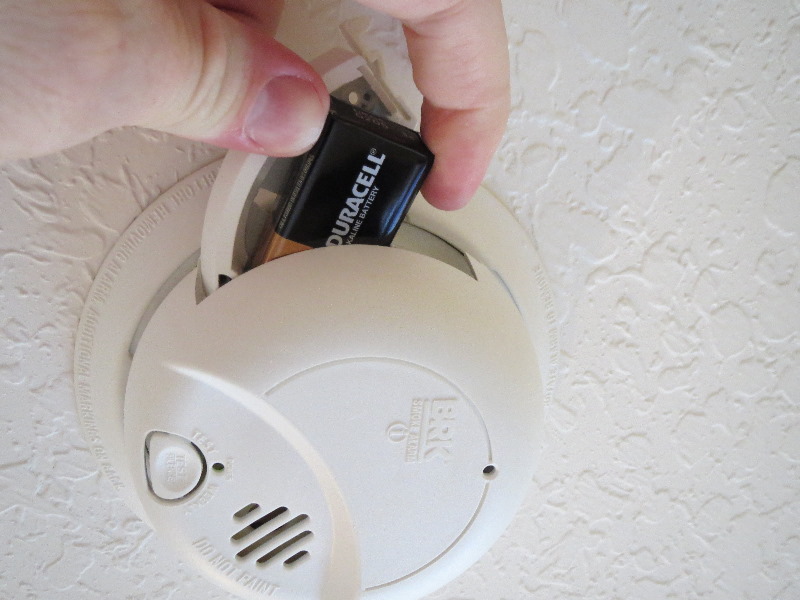
Firstly, let's talk about the most straightforward type: the battery-only smoke alarm. These are the ones you usually mount yourself, often in older homes or apartments. For these guardians, the answer is a resounding, unequivocal NO. Without a battery, these alarms are nothing more than plastic discs on your ceiling. They have no power source, no way to detect smoke, and certainly no way to sound an alert. Think of it like trying to watch TV without plugging it into the wall or inserting batteries into the remote – it's just not going to happen. So, if you have a battery-only unit, always ensure it has fresh batteries, and heed that chirping!
Must Read
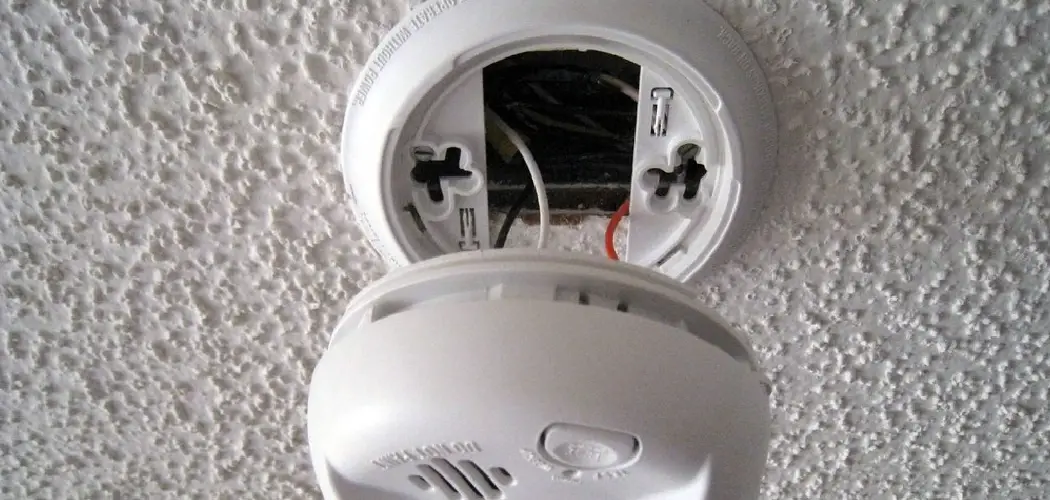
Now, things get a little more interesting with hardwired smoke alarms. These are directly connected to your home's electrical system, often found in newer constructions. Many people assume that because they're hardwired, they don't need a battery. And this is where the critical nuance comes in. While the main power for these alarms comes from your home's electricity, most modern hardwired smoke alarms also have a battery backup. This battery is not the primary power source; it's there for one incredibly important reason: power outages.
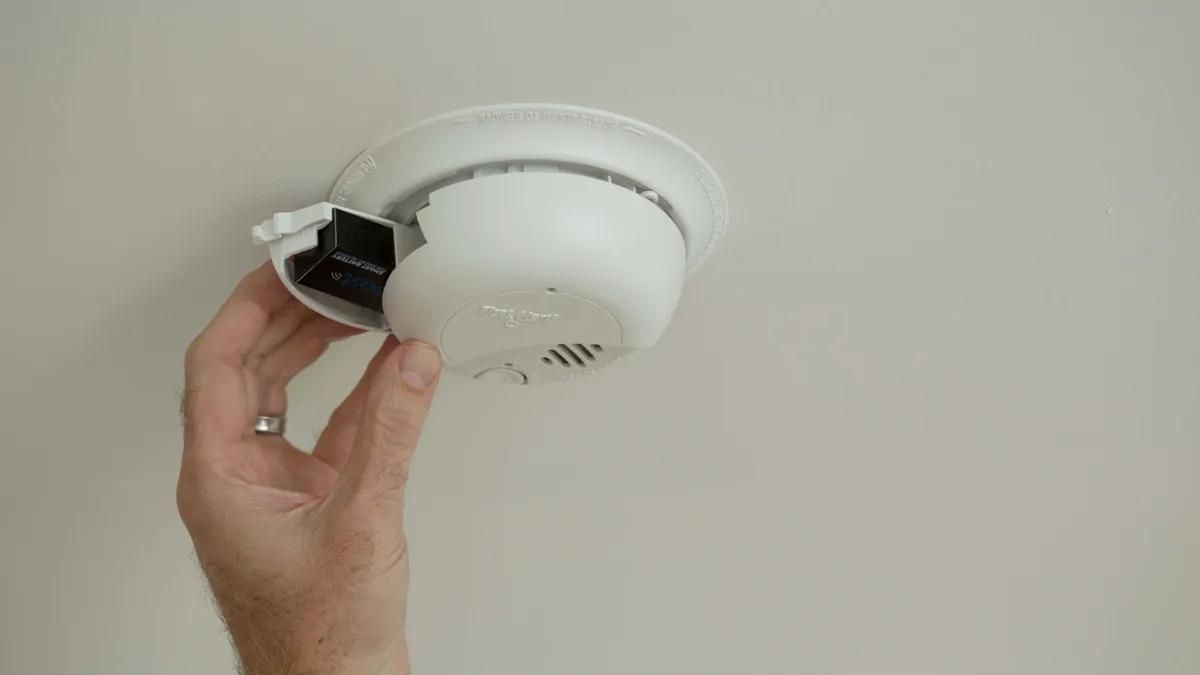
Imagine this scenario: a storm knocks out your power in the middle of the night. If a fire starts during this time, and your hardwired smoke alarm didn't have a battery backup, it would be as useless as a battery-only alarm without its battery. The purpose and benefit of that little backup battery are immense: it ensures continuous protection, even when your main power supply fails. Fires can happen anytime, anywhere, and often, during a power outage, people might resort to candles or alternative heating sources, which can ironically increase fire risk.
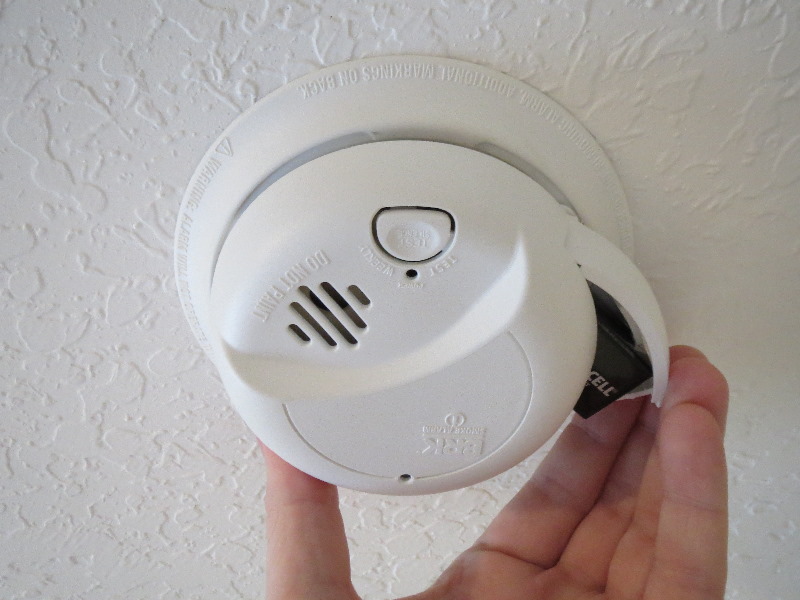
Therefore, if you have a hardwired smoke alarm with a battery backup, it will work without the battery as long as your home has power. However, it will not work during a power outage without that backup battery. And if you have an older hardwired model that doesn't have a battery backup at all, then it will definitely not work if the power goes out. That’s a risk you absolutely don't want to take!
So, the takeaway is simple but vital: always ensure your smoke alarms have working batteries, regardless of whether they're battery-only or hardwired. Test them monthly by pressing the test button. Replace alkaline batteries at least once a year, or immediately when they chirp. Some newer models have 10-year sealed batteries, which is fantastic, but they still need to be properly installed and maintained. Your smoke alarm is your first line of defense against fire, giving you precious minutes to escape. Don't let a missing or dead battery turn your safety guardian into just another piece of plastic!