Will Delta 8 Show Up On Drug Test
So, you're curious about Delta 8 and drug tests, huh? That's a pretty common question these days, and honestly, it's a fun one to dive into because it touches on science, legality, and a whole lot of personal considerations. Whether you're a student, an athlete, or simply someone trying to navigate the ever-changing landscape of hemp-derived products, understanding the potential impact of Delta 8 on a drug test is pretty relevant. Think of it as a mini-detective game where we unravel the mysteries of molecular structures and metabolic pathways!
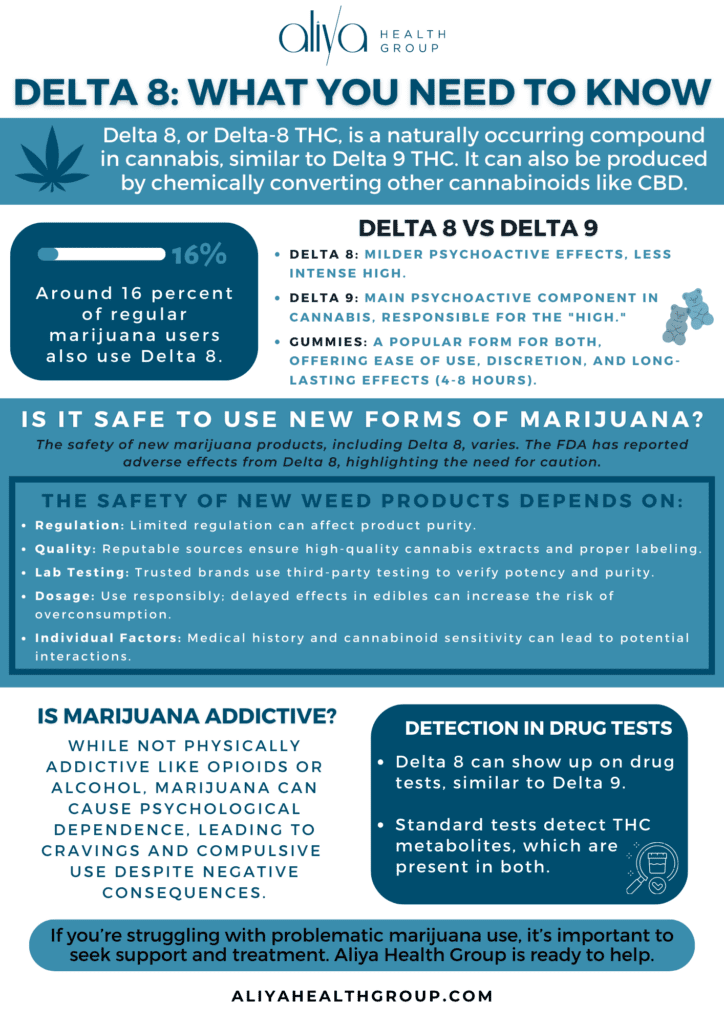
Let's start with the basics. Delta 8 THC, or Delta-8-tetrahydrocannabinol if you're feeling fancy, is a psychoactive compound found in the cannabis plant. It's similar to Delta 9 THC, the stuff that's primarily responsible for the "high" associated with marijuana, but with a few key differences in its molecular structure. These differences mean that Delta 8 is generally considered to be less potent than Delta 9, offering a milder and often described as more clear-headed experience. Some people find it beneficial for promoting relaxation, easing anxiety, and even stimulating appetite. It's popping up in gummies, vapes, tinctures, and even edibles. Think of it as a slightly different flavor of the cannabis experience.
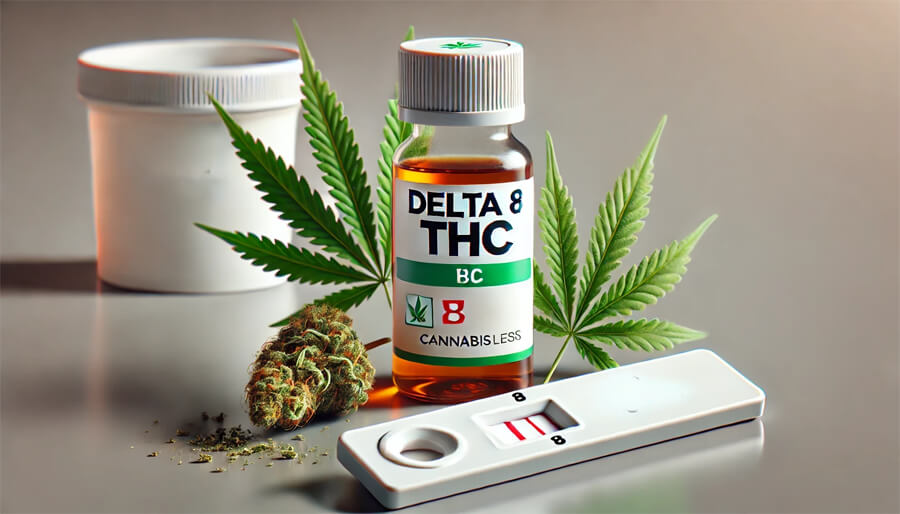
Now, for the million-dollar question: will it show up on a drug test? The short answer is: probably, yes. Most standard drug tests, like urine tests, don't specifically differentiate between Delta 8 and Delta 9 THC. They're designed to detect the presence of THC metabolites, which are the compounds produced when your body breaks down THC. Since both Delta 8 and Delta 9 are processed into similar metabolites, a drug test will likely flag a positive result. It's important to understand this risk before using Delta 8 if you're subject to drug testing.
Must Read
The implications of this are pretty significant. Imagine a student using Delta 8 gummies to help manage test anxiety. While it might provide some relief, it could also jeopardize their eligibility for scholarships or extracurricular activities if their school conducts drug tests. Similarly, an athlete using Delta 8 for recovery could face suspension or disqualification if they test positive. Even in everyday life, a positive drug test could impact employment opportunities or legal proceedings. So, knowledge is definitely power here.
So, what can you do if you're curious about Delta 8 but concerned about drug testing? First, do your research! Understand the laws and regulations in your state, as they can vary widely. Second, be aware of the potential risks and consequences of testing positive for THC. Third, consider alternative options for managing anxiety or promoting relaxation that don't involve THC. Maybe try meditation, yoga, or even just a relaxing walk in nature. Finally, if you decide to use Delta 8, be transparent with anyone who might be affected by your decision, like your employer or school. Honesty is always the best policy.
Exploring the world of Delta 8 can be an interesting journey, but it's important to approach it with awareness and responsibility. By understanding the science behind it and the potential impact on drug testing, you can make informed decisions that align with your personal goals and values. It's all about being a smart and savvy consumer in this ever-evolving landscape.