
Why Would Smoke Alarm Go Off With No Smoke
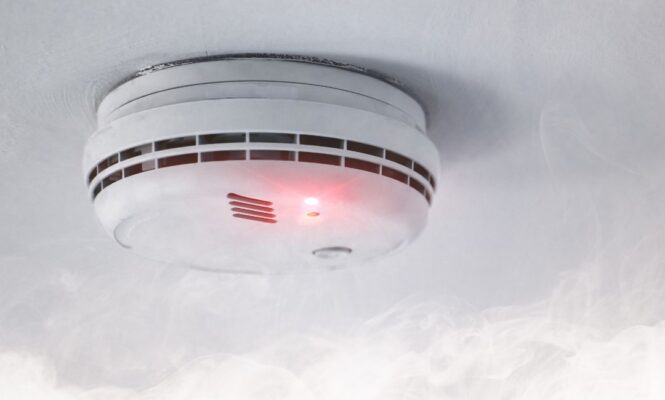
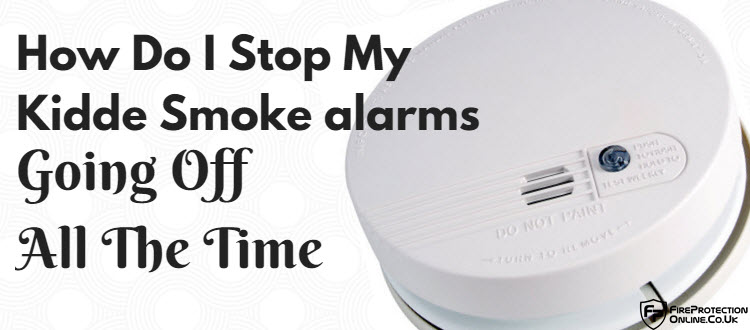
Ah, the sweet serenade of a blaring smoke alarm at 3 AM. Or maybe it's during a perfectly innocent Tuesday afternoon, mid-zoom call, or while you're simply thinking about making toast. That piercing, ear-splitting shriek, making your heart leap into your throat, only for you to scan the room frantically and find… absolutely nothing. No smoke, no fire, just pure, unadulterated noise pollution. What gives?
You’re not alone in this peculiar modern dilemma. It feels like your smoke alarm is gaslighting you, right? But before you question its sanity (or your own), let's unpack the mystery. Turns out, these vigilant little guardians of our homes are sometimes just a tad overenthusiastic. Think of them as that friend who always sees a potential crisis where there's just a mild inconvenience. Bless their protective hearts!
The Steamy Suspects: Humidity and Vapors
Ever notice your alarm going off right after a steamy shower? Or perhaps you're boiling a pot of pasta, and suddenly, the house thinks it's on fire. It's not a coincidence. Smoke alarms, especially the ionization type (which are excellent at detecting fast-flaming fires), can get a little confused by dense water vapor. Steam, mist, or even high humidity can trigger them because the particles are small enough to be mistaken for smoke.
Must Read
This is why you'll often find that alarms are ideally placed away from bathrooms and directly above stovetops. A fun fact: ionization alarms contain a tiny bit of radioactive material (don't worry, it's safe and sealed!) that ionizes the air, allowing a current to flow. When smoke (or steam!) disrupts this current, the alarm goes off. Clever, but sometimes a bit too clever for its own good.
Culinary Catastrophes (Even Minor Ones)
Before you even think about burning toast – the notorious villain of false alarms – remember that even perfectly good cooking can set off your alarm. High heat from a stovetop, aerosolized cooking oils, or the invisible "smoke" from searing a steak can be enough. These tiny particles, though not actual smoke from a fire, are enough to fool the sensor.
Consider the mighty air fryer or even your trusty oven – they can sometimes release invisible cooking particles that our alarms interpret as a dire emergency. It's like having a very sensitive food critic living in your ceiling. A quick tip: make sure your kitchen fan is on, and consider opening a window when things get sizzling!
Dust Bunnies and Buggy Burglars
Imagine a tiny dust bunny, living its best life, slowly accumulating inside your smoke alarm. Over time, dust, dirt, and even tiny insects can build up within the alarm's sensing chamber. For photoelectric alarms (which are great at detecting slow, smoldering fires), this buildup can block the internal light beam, tricking the sensor into thinking there's smoke present. It's like a microscopic rave inside your alarm, and the bouncer (the sensor) can't see properly.
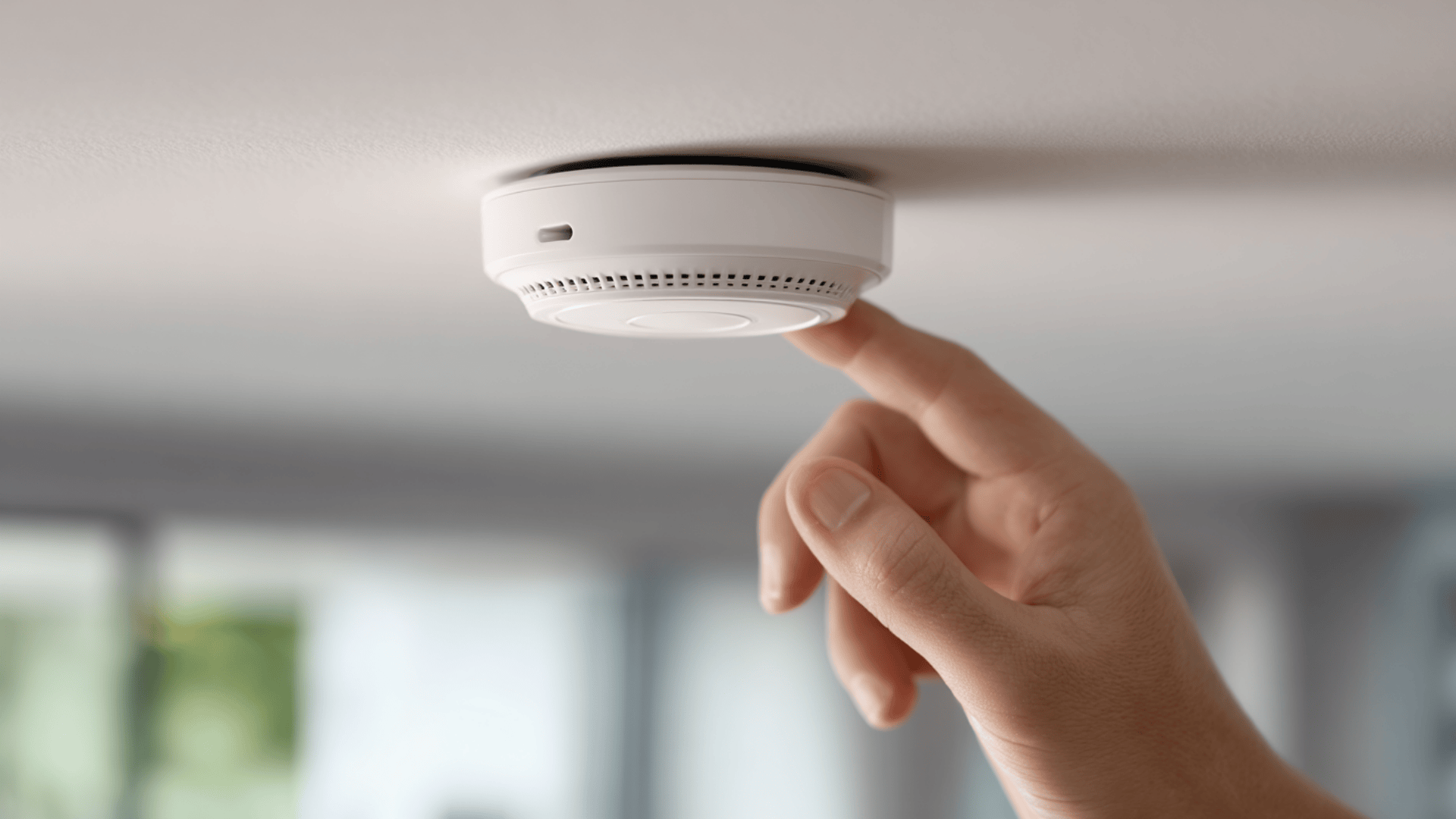
This is a super common culprit and easily fixed. A gentle vacuuming around the vents of your alarm or a quick blast with compressed air can often solve this mystery. Just make sure to read your specific alarm's manual for cleaning instructions!
Chemical Cocktails and Aerosol Adventures
Hairspray. Air fresheners. Cleaning sprays. Painting fumes. All those lovely products that make our homes smell or look great can also be mistaken for smoke by your diligent alarm. The fine mist or chemical particles released into the air can be heavy enough to linger and enter the alarm's sensor, setting off an unexpected concert.
It's an easy fix: when you're going for that super fresh, clean scent, ensure good ventilation in the area, or briefly relocate any portable alarms. Your alarm is just trying to tell you, "Hey, what's that new smell?"
The Low-Battery Lament & Expired Lifespans
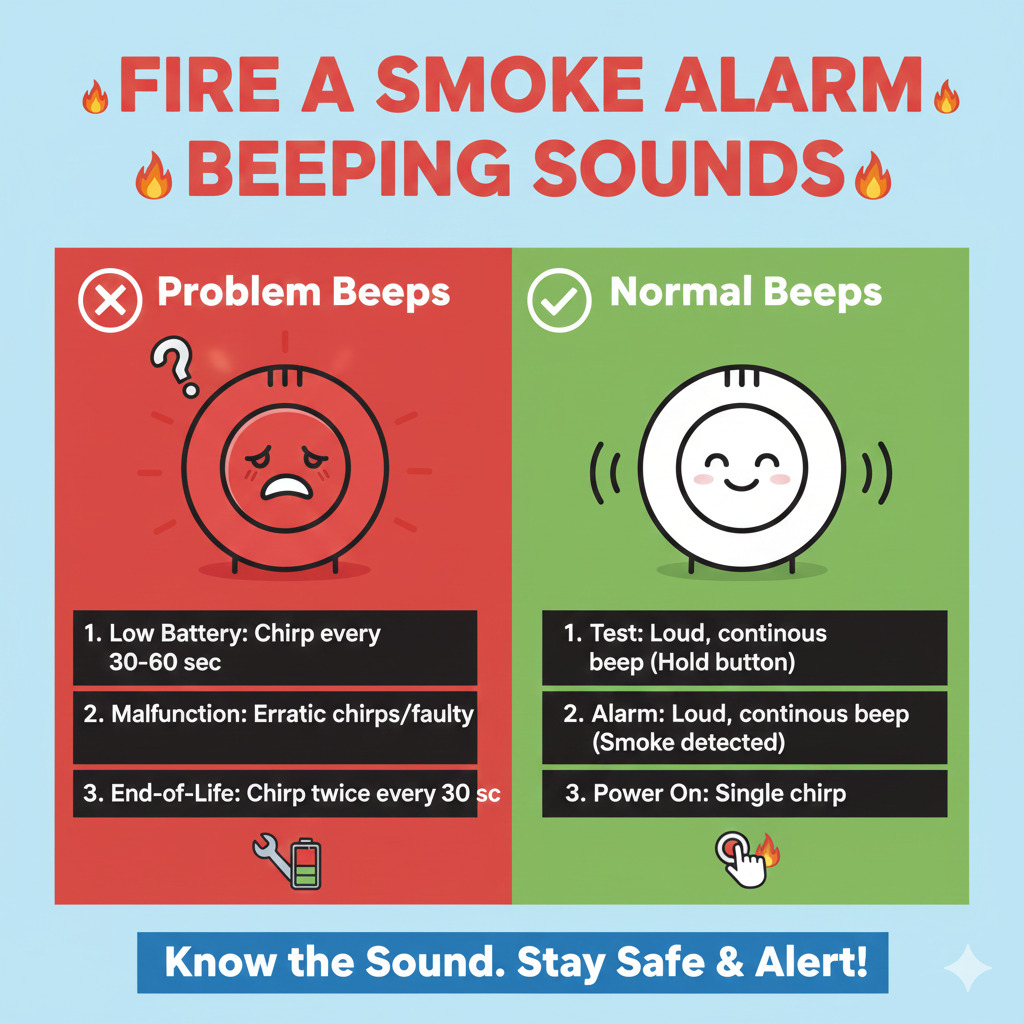
Sometimes, the alarm isn't going off with a full-blown scream, but rather an annoying, intermittent chirp. This is the universally recognized "low battery" warning, but it's often confused with a false alarm because, well, it's still an unexpected noise. Always replace batteries immediately when you hear that chirp. Most alarms use a standard 9V battery, but some newer models have 10-year sealed batteries, which are a godsend!

But here's a less-known fact: smoke alarms don't last forever. Most have a lifespan of about 8-10 years. After this, their sensors can become less effective or, conversely, overly sensitive and prone to false alarms. Check the manufacturing date on the back of your alarm. If it's pushing a decade, it might be time for a fresh start, just like that old smartphone you're still clinging to.
What To Do When It Happens (Beyond Panicking)
- Ventilate, Ventilate, Ventilate: Open windows, turn on fans, get some fresh air moving.
- Locate the Source: Is it steam? Burnt toast? A dusty alarm? Identify the likely cause.
- Silence with Care: Most alarms have a 'hush' button. Press it! If not, a quick wave of a towel can sometimes disperse particles.
- Regular Maintenance: Test your alarms monthly, clean them every six months, and replace batteries annually (unless sealed).
- Placement Matters: Avoid placing alarms directly next to bathrooms, above ovens, or near drafty windows.
Ultimately, a false alarm is a minor inconvenience compared to the peace of mind these devices provide. Think of them as your home's slightly neurotic but deeply caring sentinels. They're doing their best to keep you safe, even if it means scaring the living daylights out of you occasionally for boiling water.
So next time your smoke alarm decides to audition for a heavy metal band with no smoke in sight, take a breath. It's probably just being a little overprotective, reminding you that safety, even the noisy kind, is always in style. And perhaps it's also telling you it's time for a good clean or a fresh battery. Happy, quiet, and safe living!