Why Would A Toilet Bubble
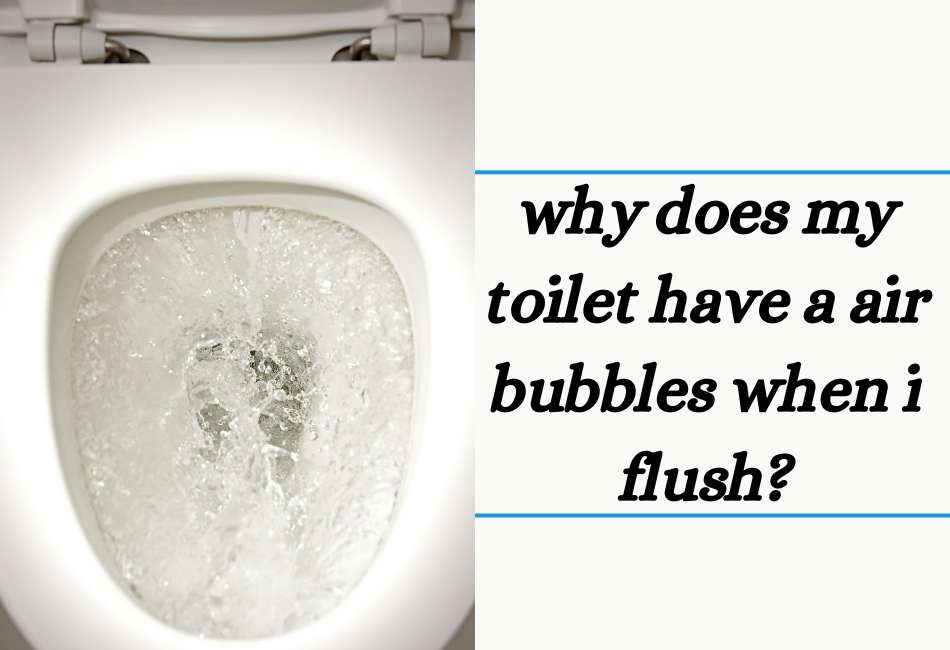
Alright, let's talk toilets. Specifically, that moment when you flush, or maybe a neighbor flushes, and your toilet bowl decides to put on a little fizzy show, complete with gurgles and — you guessed it — bubbles! It's a common household mystery, isn't it? One minute your commode is minding its own business, the next it’s like a miniature hot tub, sans the actual hot water and relaxation. What's going on?
For many, it's just another one of those "huh, weird" moments we brush off. But what if I told you that understanding this little phenomenon isn't just about fixing a potential problem, but also about appreciating the ingenious, unseen world of your home's plumbing? It's like being a detective, solving a tiny, bubbly puzzle. And trust me, life is a lot more fun when you understand the secrets hiding in plain sight!
The Great Toilet Bubble Mystery: Unveiled!
At its heart, toilet bubbling is almost always about air. Yep, good old oxygen, nitrogen, and all their atmospheric buddies. Your plumbing system is a delicate balance of water, waste, and air pressure. When that balance gets thrown off, either too much air gets trapped, or air tries to escape where it shouldn't, you get bubbles. Simple, right? Well, the "how" is where it gets interesting!
Must Read
Reason #1: The Localized Clog (Your Toilet's Personal Drama)
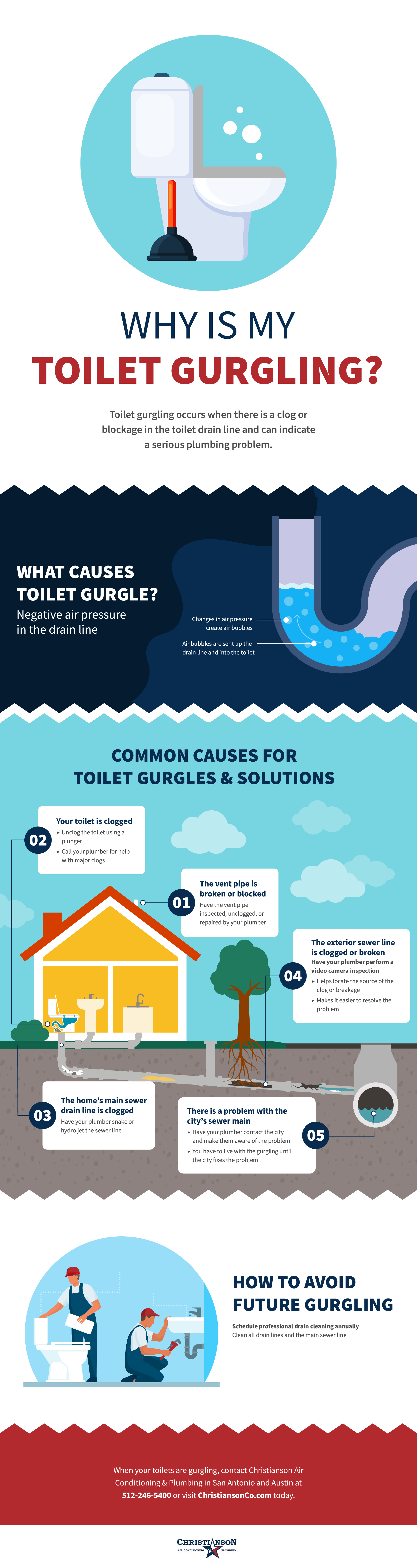
This is often the most straightforward culprit. If you notice your toilet is bubbling primarily when you flush it, and perhaps it's also a bit slow to drain, then you're likely dealing with a partial clog in your toilet trap or the immediate drain line. Think about it: water tries to rush down, but something's in the way. That blockage creates resistance, trapping air and forcing it to bubble back up through the water in your bowl. It's the plumbing equivalent of trying to push a giant beach ball through a small doorway!
The good news? This is usually an easy fix. Grab your trusty plunger and get to work! A few good plunges can often dislodge the obstruction and restore peace (and smooth flushing) to your bathroom kingdom. See? You're already a plumbing hero!

Reason #2: The Downstream Dilemma (The Shared Drain Saga)
Now, this is where things get a bit more communal. Have you ever noticed your toilet bubbling when someone else in the house flushes a different toilet, runs a washing machine, or even drains a bathtub? This is a strong indicator that the issue isn't just in your toilet, but further down the shared drain line or even in the main sewer line.
Here's the magic trick: as a large volume of water from another fixture rushes down a partially clogged main drain, it creates a sort of pressure wave. This wave pushes air ahead of it, and if that air has nowhere else to go (because the main drain is clogged), it looks for the path of least resistance. Often, that path is up through the nearest connected fixture – your toilet! It's like a watery traffic jam pushing all the air backward. Pretty clever, isn't it, how all your drains are connected in this hidden network?
Reason #3: The Vent Stack's Secret (The Roof Connection!)
This might be the most fascinating cause, because it involves something you probably never think about: the pipes that stick out of your roof! These are your plumbing system's vent stacks, and they are critical. Their job is to introduce air into the drain lines, preventing a vacuum from forming when water rushes out. Think of it like putting your thumb over a straw filled with liquid – if you keep your thumb there, no liquid comes out because no air can get in. Your vent stack stops your drains from doing that!
If your vent stack gets blocked – by a bird's nest, leaves, a curious squirrel, or even ice in colder climates – then air can't get into the system properly. When a fixture drains, it tries to pull air from anywhere it can, including siphoning it right out of your toilet's water trap. This struggle for air creates the bubbles and gurgles you hear. Sometimes, you might even notice the water level in your toilet bowl dropping lower than usual after a flush, which is another tell-tale sign of a venting issue. It's a silent guardian, up there on your roof, making sure your plumbing breathes!

A Quick Word on Sewer Gas
While most bubbling is due to air movement, it's worth a quick mention that actual sewer gas (methane and hydrogen sulfide, yum!) can, in rare cases, also cause bubbling if your trap is dry or the venting is severely compromised. If you smell foul odors along with the bubbles, it's a sign to definitely investigate further, as sewer gas isn't something you want hanging around.
Why Does Any of This Matter?
Beyond solving a minor household annoyance, understanding why your toilet bubbles is a fantastic example of how the hidden mechanics of our homes work. It's a peek behind the curtain, showing you the interconnectedness of systems we often take for granted. You're not just a passive observer; you're a curious inhabitant of a complex, well-designed (usually!) dwelling.
So, the next time your toilet performs its bubbly dance, don't just shrug. Instead, pause, listen, and consider the amazing physics happening right there in your bathroom. Is it a localized clog? A shared drain drama? Or perhaps, the silent vent stack asking for a little attention? This simple bubbling isn't just a sign of trouble; it's an invitation to learn, to observe, and to become a little more knowledgeable about the world around you, even the parts that flush away. Isn't that a truly inspiring thought?