
Why My Carbon Monoxide Detector Beeps
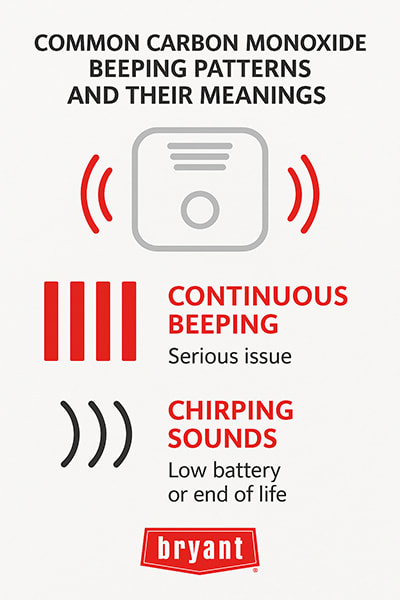
Alright, picture this: you're just chilling, maybe binging your favorite show, or perhaps you're deep in the land of nod, when suddenly... BEEP! BEEP! BEEP! That piercing, insistent sound erupts from somewhere in your home. Your heart does a little leap, right? It's your carbon monoxide (CO) detector, doing its thing. And while that sound can be a real jolt, have you ever stopped to wonder, "What exactly is going on in there?"
It's actually pretty fascinating. Far from just a random noise maker, your CO detector is a tiny, tireless guardian, always on alert. Let's peel back the curtain and get a little curious about this unsung hero of home safety.
The Invisible Intruder: What is Carbon Monoxide Anyway?
First things first, what exactly is this "carbon monoxide" your detector is so worried about? Think of CO as the ultimate stealth ninja of gases. It’s completely odorless, colorless, and tasteless. You can’t see it, you can’t smell it, you can’t taste it. This makes it incredibly dangerous, because you wouldn't know it was there until it started affecting you.
Must Read
CO is a byproduct of incomplete combustion. This means whenever something burns without enough oxygen, CO can be produced. We're talking about things like your furnace, gas stove, water heater, fireplace, or even a running car in an enclosed space. Normally, these appliances are fine, but if they're malfunctioning or poorly ventilated, they can start producing this sneaky gas.
Why is it Such a Big Deal?
So, if it's just a gas, why the panic? Here's the scary but simple truth: CO is a master impersonator. When you breathe it in, it rushes into your bloodstream and basically steals oxygen's job. Your red blood cells, which are normally carrying vital oxygen to your brain and organs, get confused. They grab onto the CO instead, because CO is actually better at latching onto them than oxygen is!
The result? Your body slowly gets starved of oxygen, even though you might be breathing normally. Symptoms start subtly – headaches, dizziness, nausea – often mistaken for the flu. But without fresh air, CO poisoning can quickly become much more serious, even fatal.
The Magic Inside: How Your Detector "Sniffs" Out Danger
Okay, so now you know why CO is bad. But how does a little box on your wall know it's there? This is where the cool tech comes in!
Most modern CO detectors use an electrochemical sensor. Imagine this tiny sensor as a miniature, super-sensitive nose. It contains a chemical solution and electrodes. When CO gas floats into the detector, it reacts with this chemical solution, which in turn generates an electrical current.
The detector's internal computer then measures this electrical current. The more CO present, the stronger the current. It's a bit like a tiny internal lab constantly running tests on your air. Pretty neat, right?
When Does It Decide to Scream? The Beeping Logic
It’s not just about detecting CO; it's about when to alert you. Your CO detector is smarter than you might think. It doesn't just beep the second it senses any CO. It considers two crucial factors:
- Concentration: How much CO is in the air? (Measured in parts per million, or PPM).
- Time: How long has that level of CO been present?
For instance, a very low level of CO (say, 30 PPM) might trigger an alarm only after several hours. But a much higher, dangerous level (like 400 PPM) would make it beep within minutes. This thoughtful timing helps prevent false alarms from very transient, harmless bursts of CO, while still protecting you from acute danger.
It’s like your personal air traffic controller, calculating risks and deciding the perfect moment to intervene.
Hold On, It Beeped, But There's No CO! What Gives?
So, you heard the beep, evacuated, called the fire department, and they found nothing. Don't worry, your detector isn't trying to prank you! There are a few very common reasons why your CO detector might beep that aren't a carbon monoxide emergency:
1. The Low Battery Chirp
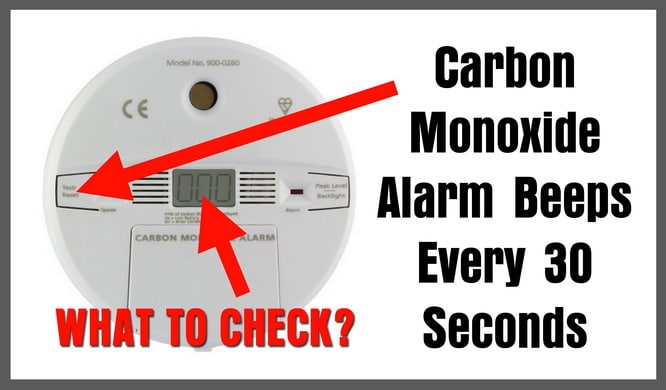
This is probably the most frequent culprit! It’s usually a short, intermittent chirp (like chirp...chirp...chirp), distinct from the urgent, continuous alarm for CO. It’s your detector’s way of saying, "Hey, I'm running on fumes here, time for a fresh battery!" Treat it like a persistent reminder note from a slightly passive-aggressive friend.
2. The "I'm Retiring!" End-of-Life Beep
Did you know your CO detector has a lifespan? Typically, they last between 5 and 10 years, depending on the model. After this time, the sensor can become less reliable. Your detector will often start beeping with a specific pattern (check your manual!) to let you know it's time for a replacement. It’s like a little retirement party beep, signalling it's done its duty and is ready for a well-deserved break.
3. Malfunction or Faulty Unit
Less common, but possible. Sometimes, a detector might develop a fault and start beeping irregularly or with a specific "fault" code. This usually means the internal sensor isn't working correctly, and the unit needs to be replaced.

4. You Pressed the Test Button
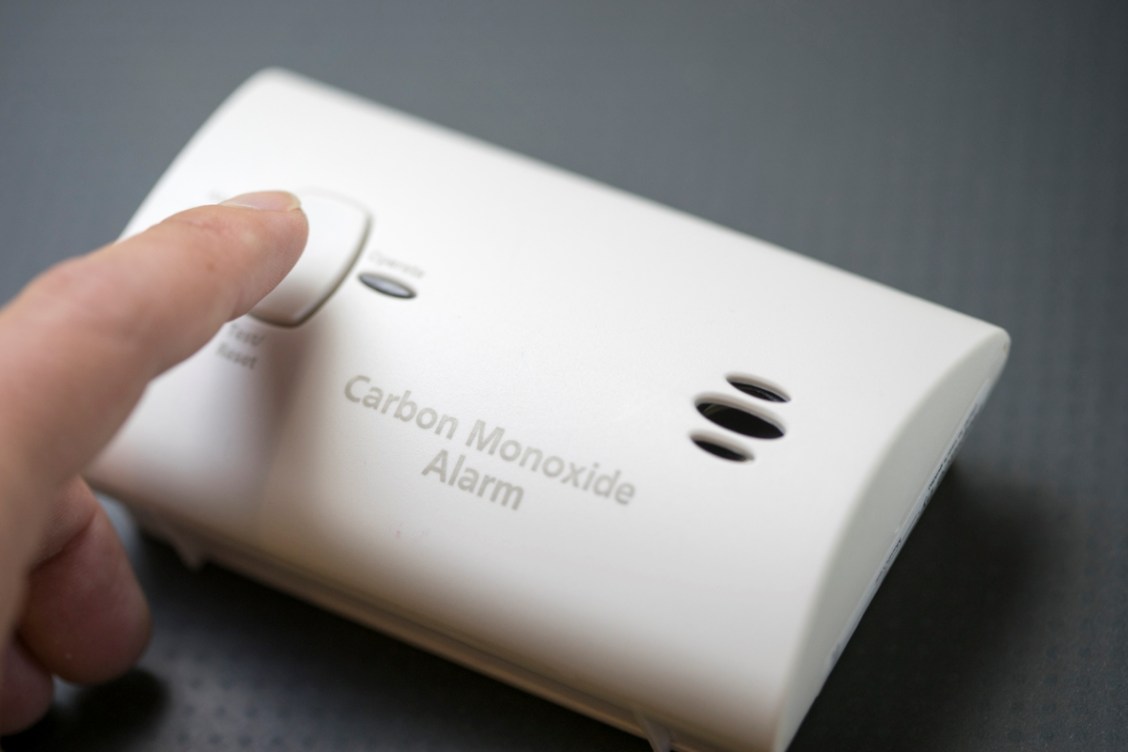
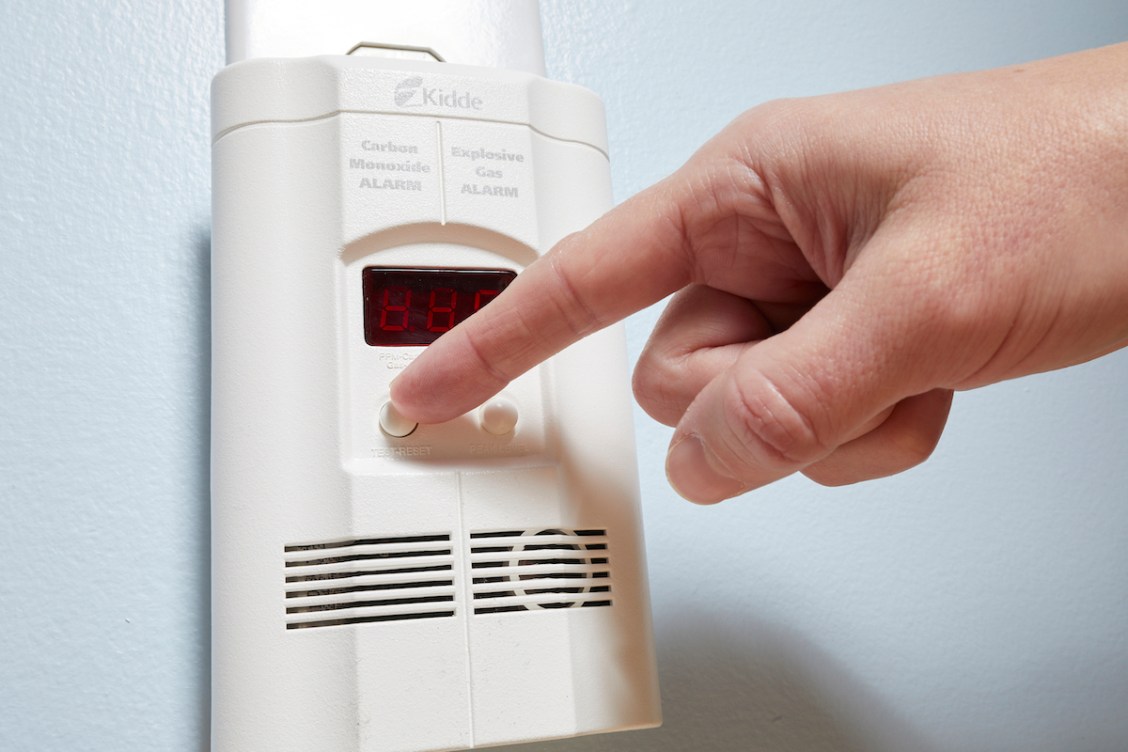
Let's be honest, we've all done it. Pressed that "test" button to make sure it works, only to be startled by its full-throated cry! That's just it doing its job, confirming its siren is ready for action.
So, What Should I Do When It Beeps?
No matter the reason for the beep, the main alarm for CO should always be taken seriously. Here's the drill:
- Get out! Immediately move everyone (including pets) outside to fresh air.
- Call for help. Once safely outside, call 911 or your local fire department. Let the professionals investigate.
- Don't re-enter until emergency services give the all-clear.
If it's just the low battery chirp or an end-of-life signal, you can simply replace the batteries or the unit. But when in doubt, always err on the side of caution and treat a continuous, loud beep as a potential emergency.
The Unsung Hero
Your carbon monoxide detector might be a bit of a drama queen when it comes to beeping, but it's for a very good reason. It's a vital piece of home safety technology, constantly vigilant, protecting you and your loved ones from an invisible threat. So next time it beeps, instead of just annoyance, maybe feel a little surge of appreciation for this unassuming gadget. It's truly a cool and essential part of a safe home!