
Why My Carbon Monoxide Alarm Is Beeping

Picture this: It's 2 AM. You're deep in dreamland, perhaps chasing unicorns or finally winning the lottery. Suddenly, a piercing, insistent BEEP-BEEP-BEEP slices through the quiet, dragging you back to reality. Your heart jumps. What in the actual heck is that? Is it the smoke alarm? A car alarm outside? No, wait. It's that other alarm. The one you hopefully never want to hear, but are eternally grateful for: your carbon monoxide detector.
I’ve been there. That moment of groggy panic, stumbling around in the dark, trying to pinpoint the source of the infernal noise. Is it a dire emergency? Or just a really annoying, very insistent reminder? It turns out, that little box on your wall or ceiling has a few different tunes it likes to play, and knowing the difference can literally save your life – or at least save you from a completely unnecessary panic attack.
So, What Even IS Carbon Monoxide, Anyway?
Before we dive into the beeps, let's have a quick, slightly terrifying chat about what your alarm is actually designed to detect. We're talking about Carbon Monoxide, or CO for short. It's often called the "silent killer" for a reason. Here's why:
Must Read
- It's invisible.
- It's odorless.
- It's tasteless.
Basically, you have absolutely no way of knowing if it's silently filling your home, messing with your blood's ability to carry oxygen, and eventually leading to serious illness or even death. It's produced by incomplete combustion, usually from things like gas furnaces, water heaters, stoves, fireplaces, or even cars left running in an enclosed space. Scary stuff, right? That's why your alarm is such a crucial piece of kit.
Okay, Why Is This Thing Beeping Then?!
Alright, let's get to the bottom of that noise. Your CO alarm isn't just a one-trick pony; it has several ways of communicating its current mood. Understanding them is key.
1. The Full-Blown, Get-Out-NOW Alarm
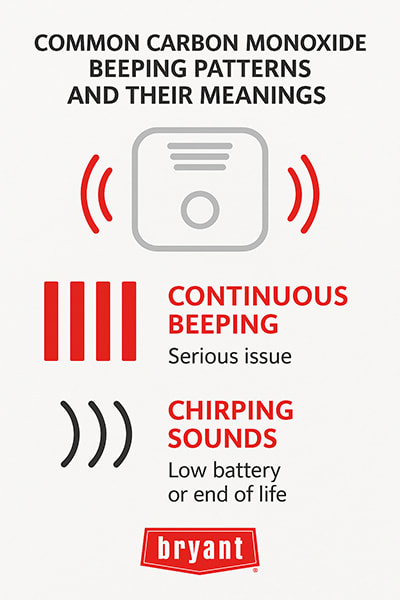
This is the one that causes instant dread. It's usually a series of four loud beeps, followed by a pause, and then repeats. This pattern is often accompanied by a flashing red light. If your alarm is doing this, it means one thing and one thing only:
It has detected dangerous levels of carbon monoxide.
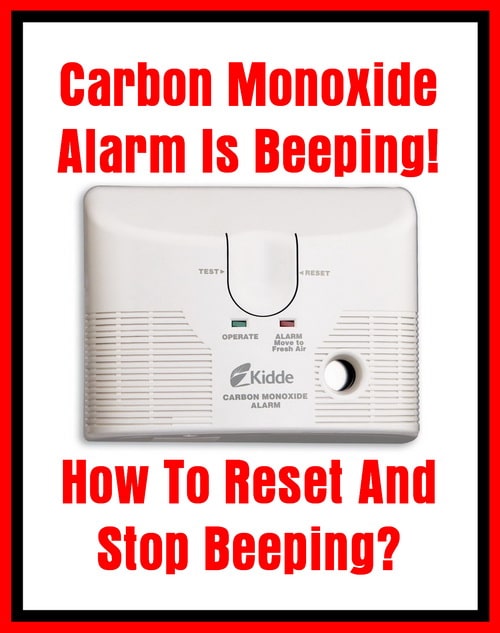
This is not a drill. This is not a suggestion. This is a call to action. Don't second-guess it. Don't try to find the source. Don't open a window and go back to sleep. You need to act immediately.
What to do:
- Get everyone out of the house immediately. Seriously, grab pets too if you can do so quickly and safely.
- Once you're outside and a safe distance away, call 911 or your local emergency services. Tell them your CO alarm is sounding.
- Do not go back inside until emergency personnel tell you it's safe.
2. The Annoying, Persistent Chirp (Low Battery)
This is probably the most common reason people find their CO alarm making a racket, and let's be real, it's often mistaken for a smoke alarm with a low battery (because they usually use similar chirps). This is typically a single beep or chirp every 30-60 seconds. It's quieter than the full alarm, but infinitely more irritating when you're trying to sleep.
What it means:
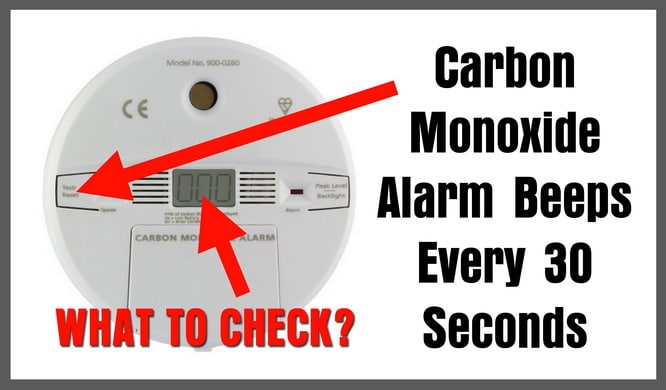
Your alarm's battery is dying and needs to be replaced. Phew! Not CO, just a needy battery.
What to do:
- Replace the batteries immediately. Most CO alarms use standard AA or 9-volt batteries. Check your manual if you're unsure.
- Don't just silence it and forget about it. A dead battery means a dead alarm, and a dead alarm means no protection.
3. The "I'm Done, I'm Retiring" Chirp (End-of-Life)
Did you know your CO alarm doesn't last forever? Yep, just like a good pair of shoes, they have a shelf life. Most CO alarms are designed to work reliably for about 5 to 7 years from their manufacturing date (which is usually printed on the back). When they reach the end of their useful life, they often start chirping to let you know it's time for a replacement.
This "end-of-life" signal can vary, but it's often a series of three beeps every minute or so, or a different pattern than the low-battery chirp. Sometimes it's a specific message on a digital display if your unit has one. Check your specific model's manual to be sure.
What it means:
Your alarm has reached its expiration date and needs to be replaced with a brand-new unit. It's no longer reliable.
What to do:
- Buy a new carbon monoxide alarm. Don't just silence the old one and assume it's fine. It's not.
- Once you have the new one, remove the old unit and replace it.
4. The Confused Alarm (Malfunction/Fault)
Sometimes, your CO alarm might just be having a bad day. It could be a continuous, rapid series of beeps, or an error message on a digital display. This usually indicates a malfunction or fault with the unit itself.
What to do:
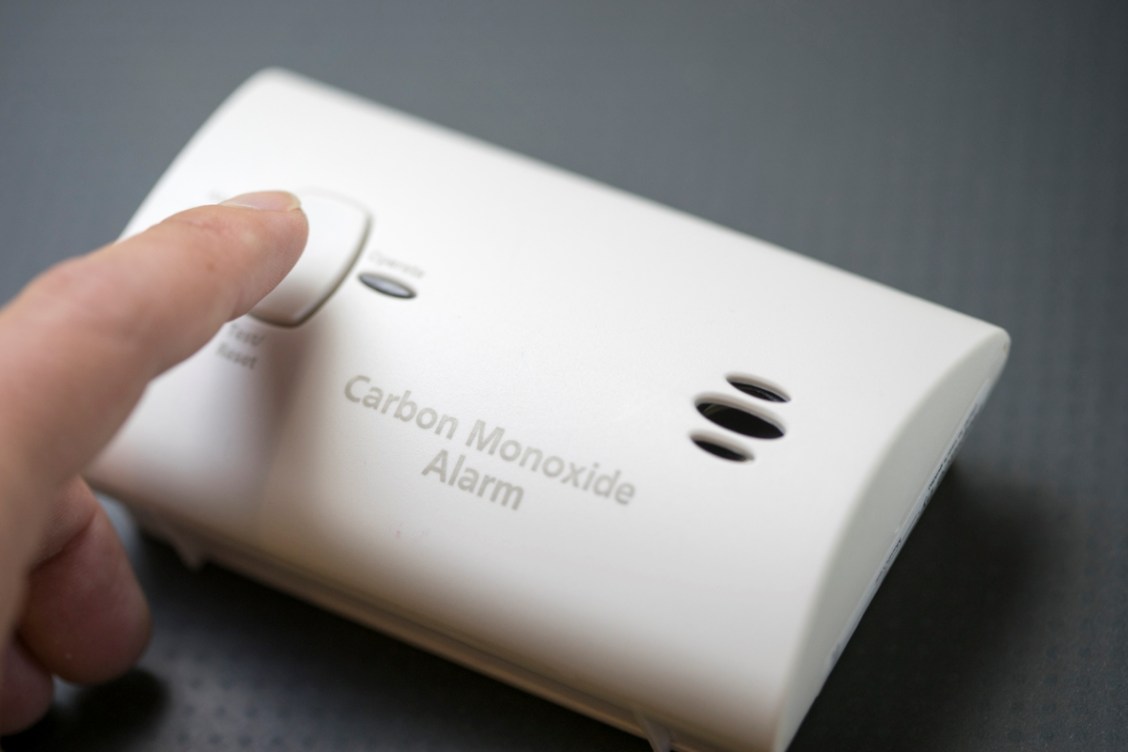
- First, try replacing the batteries (if it's a battery-powered unit) or unplugging it for a minute and plugging it back in (if it's a plug-in unit).
- If the problem persists, it's safest to replace the entire unit. A faulty alarm isn't protecting you.
5. The "I'm Just Getting Tested" Beep
Okay, this one's on you (or whoever is living with you). Every CO alarm has a test button. When you press it, the alarm will typically emit a loud series of beeps, mimicking a CO detection, just to show you it's working. This is a good thing! You should be testing your alarm monthly.
What it means:
Someone (hopefully you!) is performing a routine check to ensure the alarm is functional.
What to do:
- Nothing, if you're the one testing it!
- If someone else is testing it, maybe give them a high-five for being responsible.
So, the next time that little device starts making noise, take a deep breath. Identify the pattern. Is it the frantic four-beeper that sends you running for the door? Or the polite, but insistent, single chirp begging for new batteries? Knowing the difference isn't just smart; it's a fundamental part of keeping your home safe and your peace of mind intact. Stay safe out there!