
Why Is My Hardwired Smoke Alarm Beeping
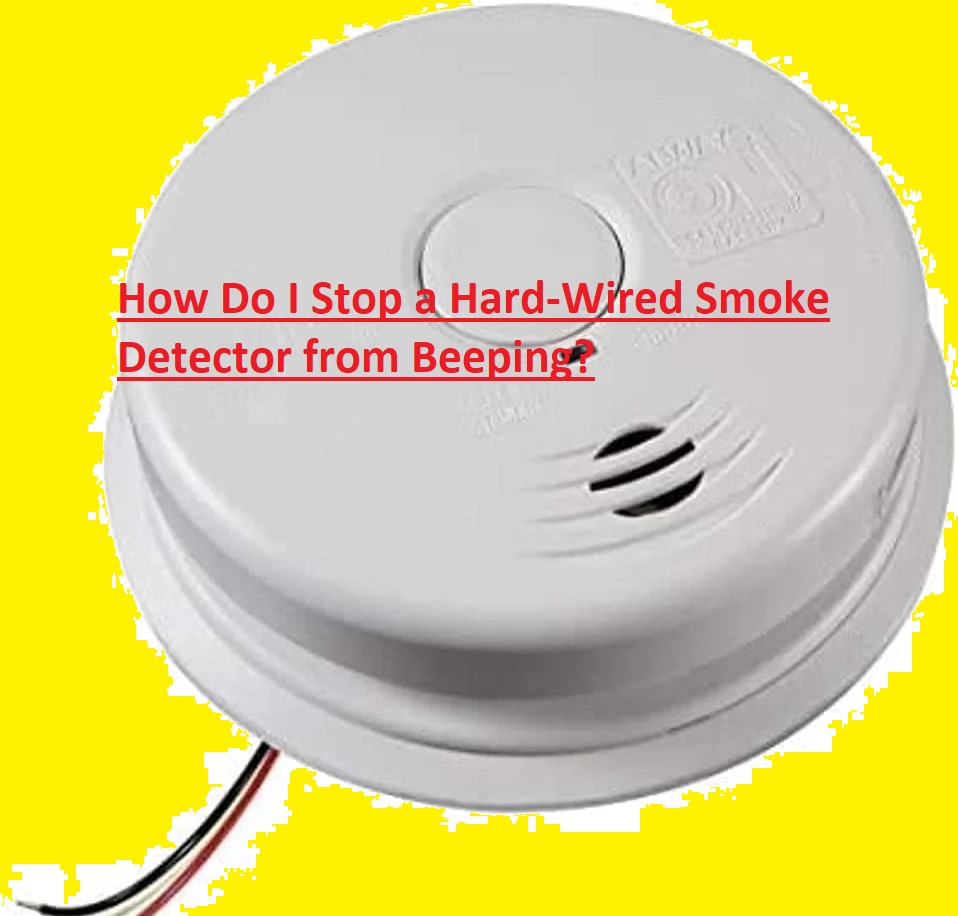
Picture this: It's 3 AM. You're deep in the throes of a magnificent dream where you're a superhero, possibly wearing a cape made of bacon, and suddenly... BEEP! Not a continuous, "OMG-the-house-is-on-fire" shriek, but that infuriating, intermittent, "I'm-just-annoying-you-for-fun" chirp. Your eyes snap open, heart pounding. You're awake. The bacon cape dream is gone. And thus begins the epic quest: Why is my hardwired smoke alarm beeping?!
You might be thinking, "Hardwired! It's connected to the house electricity! What could possibly be wrong besides, you know, a fire?" Ah, my friend, that's where the smoke alarm plays its first cruel trick. It's like a magician revealing the rabbit, but the rabbit is just more confusion.
The Battery: The Ultimate Prankster
Yes, even your fancy, hardwired smoke alarm has a battery. Think of it as its backup plan, its emergency snack pack for when the power goes out. And just like that snack pack, if it's been sitting there for years, it's probably gone stale. Or, in this case, dead.
Must Read
The hardwired part means it draws its primary power from your home's electrical system. But that little 9-volt or AA battery? That's its personal insurance policy, ensuring it can still scream for help if the grid goes down. When that battery starts to lose juice, your alarm doesn't just quietly give up the ghost. Oh no. It decides to go out with a bang... or rather, a beep-beep-beep. It's its way of saying, "Hey! I'm dying! Get me some fresh electrons, human!" It's usually a single chirp every 30 to 60 seconds – just enough to pierce the veil of sleep, but not enough to trigger full panic.
The Fix: Grab a chair or a small ladder (safety first, unless you want to call the fire department for a different reason). Twist the unit counter-clockwise to detach it from its base. Pop open the battery compartment (it's often clearly marked). Replace the old, tired battery with a fresh one. Sometimes, you'll need to hold down the test button for about 15-20 seconds after replacement to fully reset it and silence the beast. If you skip this step, it might just keep chirping, just to show you who's boss.

The "End of Life" Chirp: Alarms Have Expiration Dates?!
Prepare for a mind-blowing fact that often catches people completely off guard: smoke alarms have an expiration date! Yep, just like that questionable yogurt in the back of your fridge, your trusty fire guardian isn't meant to last forever. Most manufacturers recommend replacing smoke alarms every 10 years. After a decade of diligently sniffing the air for smoke particles, the internal sensors become less effective.
So, what does a smoke alarm do when it reaches its golden years and is ready to retire? It doesn't just fade away quietly. It starts a new, slightly different, often more insistent chirping pattern to let you know its time is up. It's like an old dog letting out a soft whine, except this dog is attached to your ceiling and is powered by existential dread. This chirp might be a little different from the low-battery chirp, perhaps a double chirp or a more rhythmic cadence, but the message is clear: "My watch has ended, master. Find a new guardian!"
The Fix: Check the back or side of your smoke alarm for a manufacturing date. If it's over 10 years old, it's time for a full unit replacement. Don't try to extend its life; fire safety is not the place for penny-pinching. Treat yourself to a shiny new unit that will faithfully serve for another decade of silent judgment.

Dust Bunnies and Cobwebs: The Tiny Terrorists
Believe it or not, your smoke alarm is a sensitive soul. Its job is to detect microscopic particles in the air. Unfortunately, sometimes those particles aren't smoke from a rogue toaster strudel, but rather... dust. Or tiny spiderwebs. Or the accumulated detritus of your daily existence.
When dust or cobwebs build up inside the sensing chamber, it can interfere with the sensor's ability to "see" clearly, essentially making it think something might be wrong. It's like a hypochondriac friend constantly feeling phantom pains. The alarm gets confused, triggers a false positive, and decides to chirp periodically to alert you that it's experiencing a minor existential crisis due to a dust bunny squatting rent-free in its optics.
The Fix: Get up on that ladder again! Take the unit down. Using a soft cloth or the brush attachment of your vacuum cleaner, gently clean around the vents and openings of the alarm. You can even use a can of compressed air (the kind you use for keyboards) to blow out any stubborn dust bunnies from the inside. Just be gentle; you don't want to accidentally dislodge any critical components, unless you're planning an impromptu smoke alarm surgery.
Power Hiccups: The Post-Outage Grumbles
Sometimes, your hardwired smoke alarm just needs a moment to collect itself after a minor trauma. A brief power outage, a tiny power surge, or even a flickering light can momentarily disrupt its steady flow of electricity. When the power returns, the alarm might go through a short recalibration period. During this time, it might chirp intermittently as it runs self-diagnostics and tries to remember what it was doing before the lights went out.
It's like your computer rebooting after a crash – it might make some funny noises and take a moment to get its bearings. This is usually a temporary phenomenon, and the chirping should stop on its own within a few minutes to an hour.
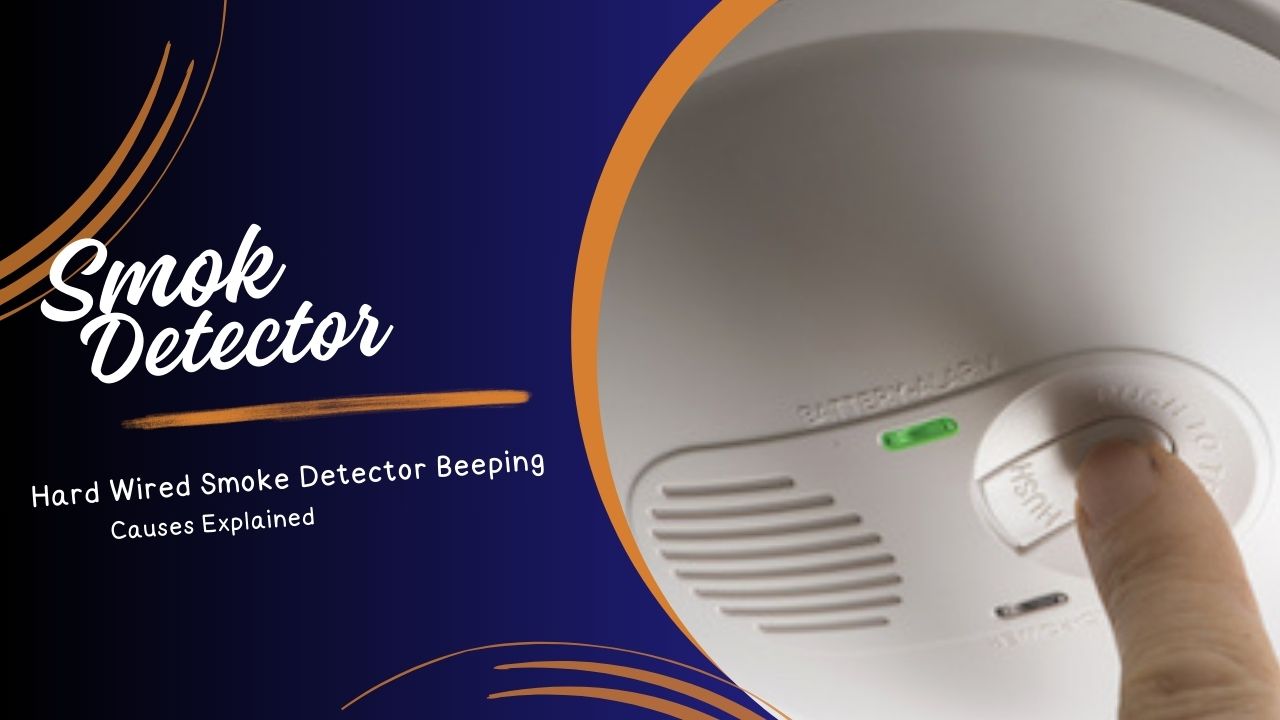
The Fix: Be patient. If it persists, try a full reset. This usually involves pressing and holding the test/hush button for about 15-20 seconds. If that doesn't work, you might need to briefly (for about 30 seconds) turn off the breaker connected to your smoke alarms at your electrical panel, then turn it back on. This is the equivalent of giving your alarm a stern talking-to and telling it to get its act together.

Interconnected Alarms: The Gossip Network
Here's a fun fact: if your hardwired alarms are interconnected (meaning if one goes off, they all go off), sometimes one unit is the culprit, but all units will chirp to let you know there's an issue somewhere in the network. It's like a group chat where one friend is having a bad day, and everyone else just spams the chat with "Are you okay?!" without knowing who said it first.
This means you might have to check every single alarm in your house to find the one with the dying battery, the expired sensor, or the rogue dust bunny. It's a treasure hunt, but the prize is glorious silence.
Don't Ignore the Chirp!
While the incessant chirping of a smoke alarm can feel like a personal attack from a tiny, plastic dictator, it's really trying to tell you something important. It's a vital piece of safety equipment, designed to give you and your loved ones precious minutes to escape in the event of a fire. So, next time you hear that annoying 3 AM chirp, resist the urge to throw a shoe at it. Instead, grab your ladder, channel your inner detective, and silence the beast – because a quiet home is a safe home, especially when you're dreaming of bacon capes.