
Why Is My Carbon Monoxide Detector Beeping
Ever been minding your own business, maybe binging your favorite show or perfecting a sourdough starter, when suddenly – BEEP! BEEP! BEEP! Your carbon monoxide (CO) detector decides it’s party time. And not the fun kind. More like the “What in the world is happening?!” kind.
It’s a tiny gadget, often overlooked, until it starts shouting. But here’s the thing: that little beeping box is a total rockstar. It’s basically your home’s personal bodyguard, and understanding its cries for attention is surprisingly empowering (and a bit fun, honestly!).
The Invisible Intruder: What Even Is Carbon Monoxide?
Imagine a super-sneaky villain. One that doesn’t wear a cape, doesn’t leave footprints, and doesn’t even make a sound. That’s CO. It’s a colorless, odorless, tasteless gas. Yeah, it’s basically the ninja of hazardous gases.
Must Read
It pops up when fuels like gas, oil, coal, wood, or propane don’t burn completely. Think faulty furnaces, clogged chimneys, gas stoves, portable generators, even your car idling in a closed garage. Basically, anything that burns stuff can produce it. And because you can't see or smell it, your CO detector is your only warning. Pretty cool, right?
Why Is My Little Hero Beeping Its Head Off?
Your CO detector isn't just a drama queen; it has reasons for its vocal outbursts. Let’s break down its favorite ways to get your attention.

1. The Grand Alarm: Actual Carbon Monoxide!
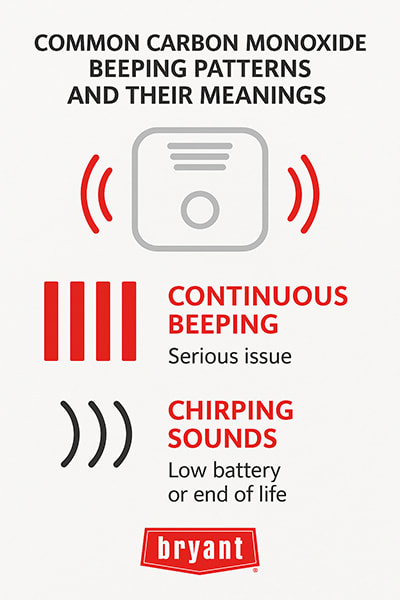
This is the big one. If your detector is screaming a loud, continuous, rapid alarm (think four quick beeps followed by a pause, repeated), it means it’s detected a potentially dangerous level of CO.
This isn't a drill. This is your house saying, “Hey, there’s an uninvited, invisible guest trying to crash the party, and it’s not friendly!” This is the scenario where you need to take action. Fast. Like, evacuate-the-building-and-call-the-authorities fast. Your tiny hero just saved the day!
2. The Low-Battery Chirp: The Most Common Complaint
Ah, the dreaded single chirp every 30-60 seconds. This isn't a scream; it’s more of a whiny, persistent sigh. Your detector isn’t crying wolf; it’s just saying, “Hey! My energy juice is running low here! A little help?”
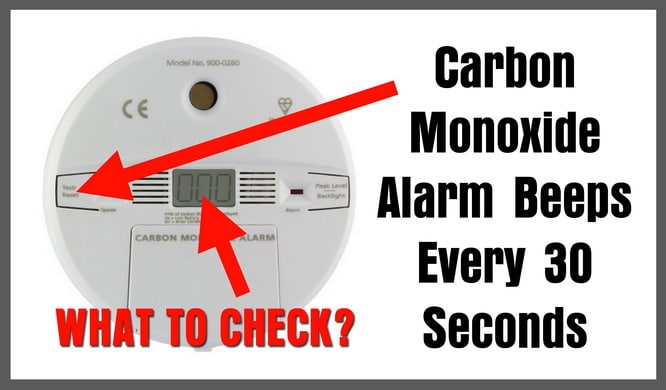
This is by far the most common reason for a CO detector to beep. We've all been there, crawling around at 3 AM trying to figure out which device is emitting that irritating sound. It's usually just a couple of AA or 9V batteries begging for retirement. Be a hero, swap 'em out!
3. The "I'm Too Old For This!" Beep: End-of-Life Alert
Did you know CO detectors have an expiration date? It’s not just your milk carton! Most units have a lifespan of about five to seven years. After that, their sensors become less reliable.
When they hit their golden years, many detectors will emit a unique beep pattern (often five beeps every minute or so) to tell you, “My shift is over, buddy! Time for a replacement!” It's like a tiny robot respectfully resigning. Check the back of your unit for a "replace by" date. If it’s past due, it’s time to retire your old friend and get a fresh recruit.
4. The "Oops, My Bad!" Beep: Malfunctions & Test Mode
Sometimes your detector might beep due to a temporary malfunction or an internal error. It’s rare, but electronics can be finicky. This might be a rapid series of chirps or a unique error code beep. Consult your user manual (yes, that paper thing you probably shoved in a drawer!).
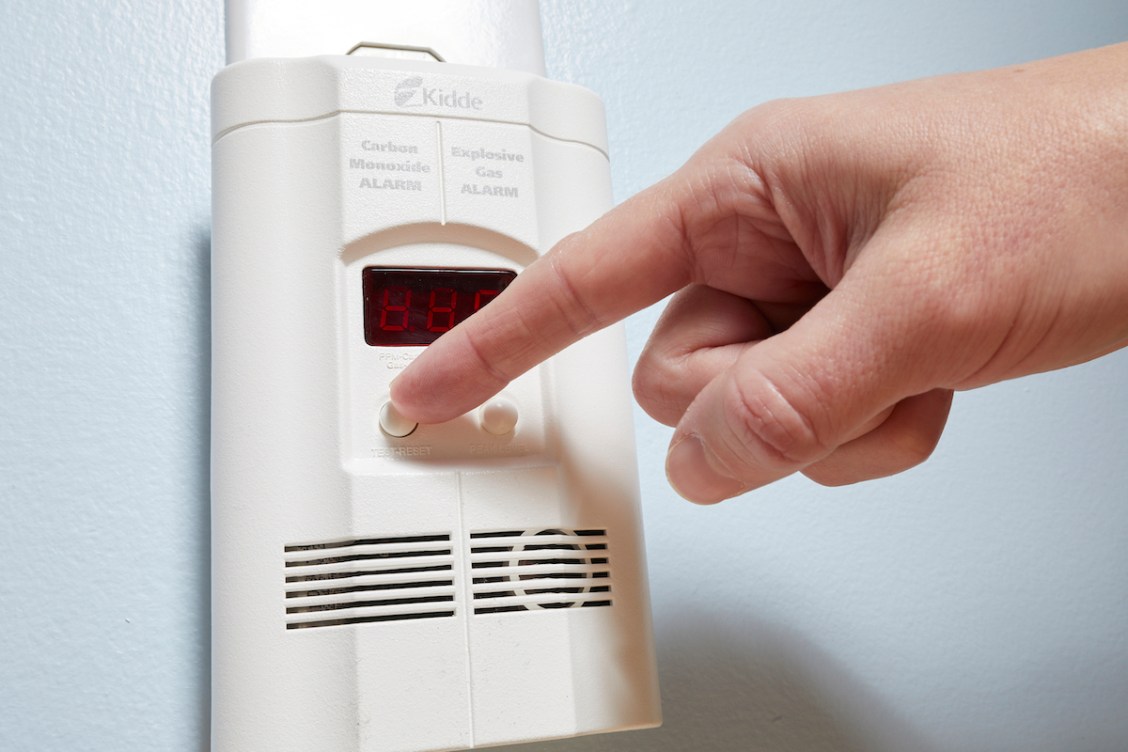
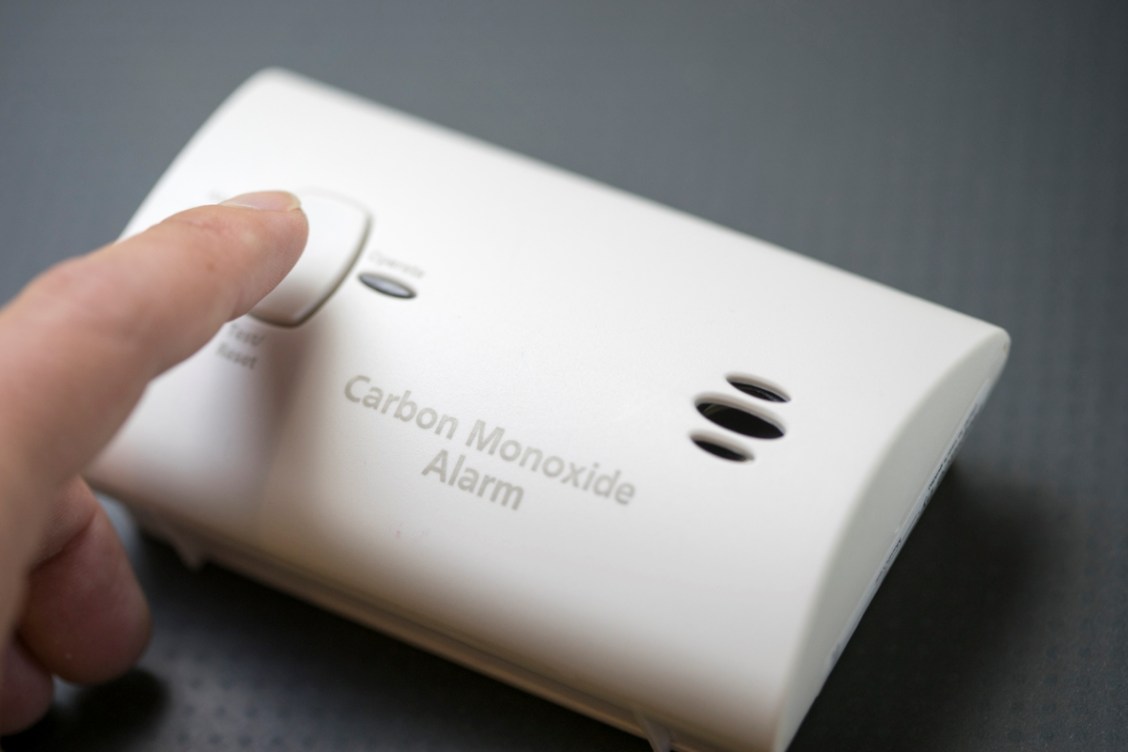
Or, perhaps you (or a curious little helper) accidentally pressed the "Test" button. That loud, piercing sound is exactly what it's designed to do – prove it's working! So, if it suddenly starts wailing and you just had your finger near it, you might have triggered its impromptu sound check. No worries, just doing its job!
So, What Do I Do When It Beeps?
Okay, so your little guardian angel is talking. Here’s the quick cheat sheet:
- Loud, continuous alarm (actual CO detected): This is serious! Get everyone out of the house immediately! Call 911 or your gas company from a safe distance. Do NOT go back inside until emergency services say it’s safe. Fresh air is your best friend right now.
- Single chirp (low battery): Easy fix! Grab new batteries (check your manual for the right size) and swap them out. Your detector will thank you with silence.
- End-of-life beeps: Time for a new unit! Go grab a shiny new CO detector. They’re relatively inexpensive and absolute lifesavers.
- Malfunction/Test mode: Check your manual or hit the "Reset" button. If it persists, it might be time for a replacement.
Why This Is Actually Kinda Cool
Knowing why your CO detector beeps isn't just practical; it's empowering. It transforms a moment of panic into a moment of understanding. You're not just reacting; you're deciphering your home's secret language!
These little gadgets are marvels of engineering, constantly sniffing the air for an invisible threat, all while powered by a tiny battery. They literally stand between you and a silent danger.
So, next time your CO detector pipes up, don't just get annoyed. Take a moment to appreciate your home’s tiny, vocal superhero. Give it a little test poke once a month, swap those batteries annually, and replace it on time. Because a little beep now can prevent a lot of trouble later. Stay curious, stay safe, and keep those beepers happy!