
Why Is My Carbon Monoxide Alarm Chirping
Ever been startled by that insistent little chirp coming from somewhere in your home? It’s often your carbon monoxide (CO) alarm, and while it might sound like an annoying little birdie demanding attention, understanding why it’s making a fuss is actually super relevant and could even be a lifesaver. Think of it as your home’s silent guardian trying to get a message across – and it's a message you absolutely want to hear!
The primary purpose of your CO alarm is quite profound: it’s designed to detect the presence of carbon monoxide, an invisible, odorless, tasteless gas often called the "silent killer." This gas is a byproduct of incomplete combustion and can be produced by common household appliances like furnaces, water heaters, gas stoves, fireplaces, and even cars idling in an attached garage. Without an alarm, you’d never know it was there until it was too late, making the CO alarm a critical safety device that offers invaluable peace of mind and literally saves lives by giving you an early warning.
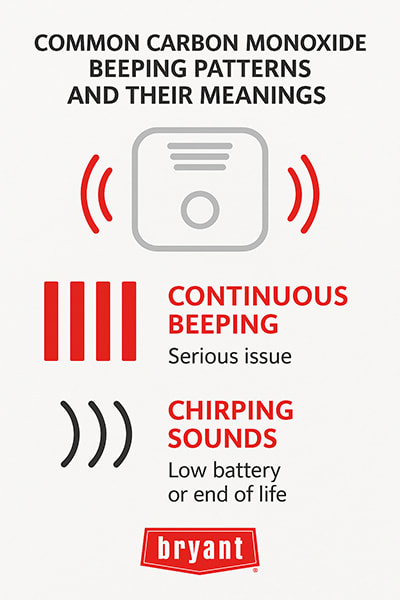
So, why exactly is it chirping in your daily life? The good news is, often it’s nothing immediately dangerous! The most common reason for a CO alarm to chirp intermittently (usually once every 30-60 seconds) is a low battery. Just like a smoke detector, it needs power to do its job, and a chirping sound is its polite (or not-so-polite) way of saying, "Hey, I need new batteries!" Another common reason is that the unit has reached its end of life. CO alarms don't last forever; they typically have a lifespan of 5-7 years. When they expire, they’ll often emit a series of chirps or beeps to let you know it’s time for a replacement. Think of these as friendly nudges in your daily routine.
Must Read
However, if your CO alarm is sounding a loud, continuous, and rapid alarm (often 4 quick beeps followed by a pause), this is the most serious warning: it means carbon monoxide has been detected. This isn't a drill or a request for a battery change; it's a true emergency. In this scenario, you need to get everyone out of the house immediately, call 911 or your local emergency services from a safe distance, and not re-enter until authorities have deemed it safe. This is where your alarm’s purpose truly shines, acting as your early warning system.
Want to explore this a bit more practically? Here are some simple ways: First, make a habit of testing your alarm monthly by pressing the "test" button (it simulates CO detection). Second, change batteries annually, even if they seem fine – a good rule of thumb is to do it when you change your clocks for daylight saving time. Third, check the manufacture date on your unit; if it’s older than 5-7 years, it’s time to replace it. Finally, ensure you have CO alarms placed on every level of your home, especially near sleeping areas. Understanding your CO alarm isn't just about stopping an annoying chirp; it's about staying safe and being prepared.


