Why Is It Expensive To Bring Electricity Into Urban Areas

We all love our gadgets, our Netflix binges, and that glorious morning coffee made with an electric kettle, right? Electricity powers our lives, making everything from our smartphones to our skyscrapers hum with energy. But have you ever stopped to wonder why keeping the lights on, especially in our bustling cities, can be such an expensive endeavor? It might not sound like a party, but diving into the economics of urban electricity is surprisingly fascinating! It's like peeling back the layers of a giant, invisible power grid to see the incredible engineering and complex challenges that make modern city life possible.
The purpose of this little journey is to demystify those utility bills and give you a newfound appreciation for the silent heroes (and sometimes, the headache-inducing costs) behind urban power delivery. Understanding these factors isn't just for industry experts; it helps us all become more informed citizens, better understand our infrastructure, and even appreciate why our cities look and function the way they do. So, let's pull back the curtain and uncover why bringing electricity into urban areas often comes with a hefty price tag!
One of the biggest factors is simply density and demand. Cities are packed with people, businesses, and industries, all ravenously consuming electricity. This means utility companies need to deliver a massive amount of power to a relatively small geographic area, and that requires robust, high-capacity infrastructure. It's not just about getting power to the city, but then meticulously distributing it to every single building, often through a tangled web of existing utilities.
Must Read
Then there are the colossal infrastructure costs. In rural areas, you often see power lines strung overhead on poles – a relatively straightforward and cost-effective method. But in cities? Forget about it! Urban planners prioritize aesthetics, safety, and space, so most power lines go underground. Imagine digging trenches through concrete, asphalt, and a maze of existing water pipes, sewer lines, and communication cables. It's an incredibly slow, labor-intensive, and thus expensive process, requiring specialized equipment and skilled crews. Plus, maintaining and repairing underground systems is far more complex and costly than simply sending a crew up a pole.
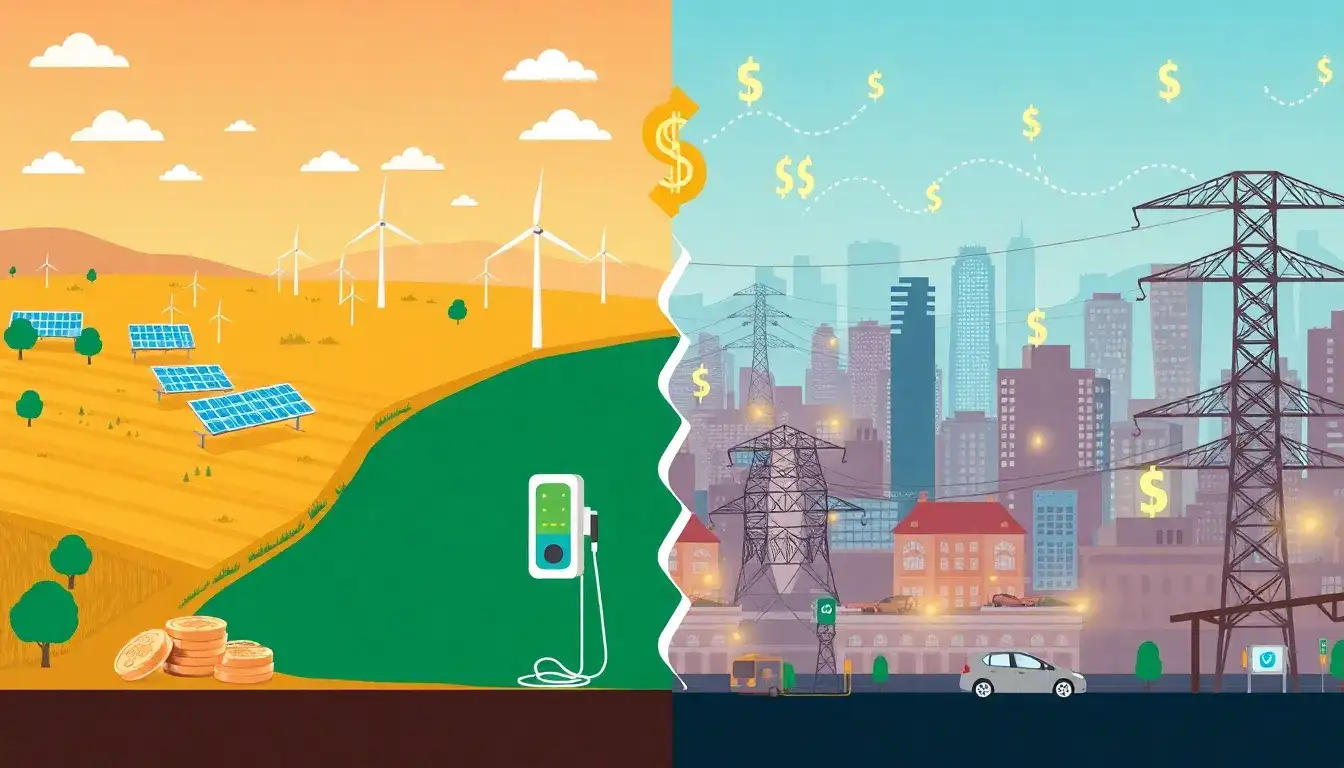
Space itself is another huge constraint. Real estate in urban areas is astronomically expensive. Finding land for substations – those vital hubs that transform high-voltage power into usable electricity – or even just rights-of-way for transmission lines, becomes a major financial hurdle. Existing infrastructure also needs constant upgrades and reinforcement to handle increasing demand and adhere to modern safety and reliability standards. It’s a bit like constantly renovating an old house while people are still living in it!
Finally, we have maintenance, reliability, and regulatory challenges. Keeping a complex urban grid running 24/7 without interruption requires continuous monitoring, rapid response teams for outages, and significant investment in backup systems. The cost of labor, especially for highly skilled engineers and technicians in urban centers, also adds to the expense. Moreover, cities often have much stricter environmental, safety, and aesthetic regulations, leading to longer, more complex, and more expensive permitting processes for any new construction or upgrades. It all adds up to a fascinating, albeit costly, balancing act to keep our city lights shining bright!