
Why Is Fire Alarm Going Off For No Reason

You know that sound, right? That ear-splitting, heart-stopping, absolutely insane wail that rips through the quiet calm of your home like a banshee discovering a discount on screaming lessons. Yes, I'm talking about your fire alarm. And no, there’s no fire. Just that familiar, soul-crushing question: “Why on earth is this thing going off FOR NO REASON?!”
It’s the universal domestic jump-scare. One minute you’re chilling, maybe scrolling through cat videos or perfecting the art of the couch-potato, and the next, your internal organs are doing the cha-cha. Your pets scatter like you just announced bath time, and you’re left standing there, frantically sniffing the air for imaginary smoke, all while your ears are contemplating a permanent vacation.
But here’s the thing, despite feeling like a malicious prank orchestrated by tiny, noise-loving goblins, there’s usually a reason. Alarms, bless their overprotective little circuits, don’t just decide to throw a tantrum for fun. Or do they?
Must Read
The Culinary Culprits: When Your Kitchen Is a Smoke Detector's Mortal Enemy
Let’s be honest, most of us have been there. You’re whipping up a storm, feeling like a contestant on MasterChef, and then… BEEP BEEP BEEP! Suddenly, your kitchen isn't just a place of culinary creation, it's a war zone.
The number one offender? Burnt toast. Seriously, just a whisper of slightly-too-dark bread can send some detectors into a full-blown meltdown. And don't even get me started on popcorn. That buttery, delicious snack has probably triggered more false alarms than actual house fires. Your fire alarm isn't just detecting smoke; it's detecting your culinary failures. It's the ultimate kitchen critic.
This is often thanks to ionization smoke detectors. These guys are super sensitive to invisible combustion particles, the kind you get from tiny smoke wisps or even just a bit of charring. They’re great for fast-flaming fires, but they're also excellent at tattling on your toast.
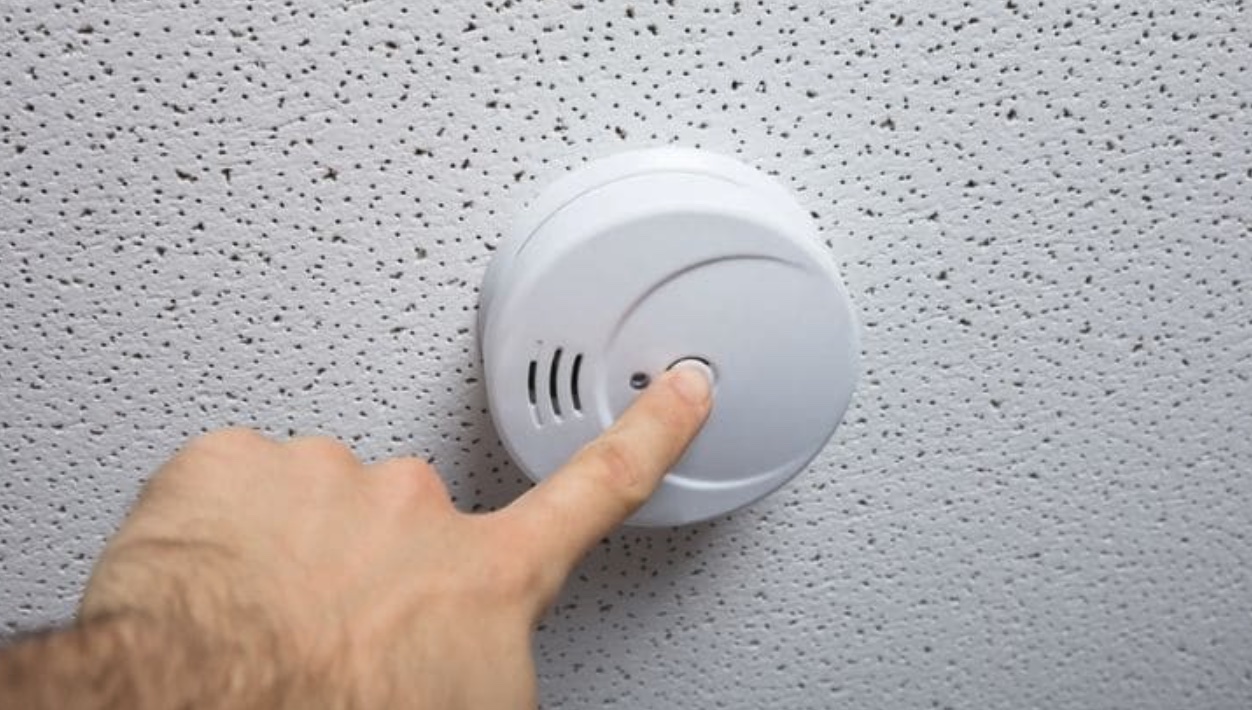
The Hazy Humid Havoc: Steam, Showers, and Sauna-Like Situations
Ever notice your alarm going off after a really, really hot shower? Or maybe after a particularly steamy cooking session, even without burning anything? You’re not alone!
Steam is a master of disguise. To your alarm, especially an optical (or photoelectric) smoke detector, that thick cloud of water vapor looks an awful lot like smoke. Optical detectors work by shining a light beam into a chamber; if smoke (or steam) scatters that light, the alarm goes off. They're fantastic for detecting slow, smoldering fires, but they’re also easily fooled by a good, steamy bathroom.
It’s like the alarm is yelling, "OMG, it's a fog machine in here! We're all going to die… of clean pores!"

The Tiny Terrorists: Dust, Bugs, and the Occasional Spider Party
This one might surprise you. Your fire alarm, that vigilant guardian of your home, can sometimes be its own worst enemy thanks to… dust and tiny critters!
Dust bunnies, those fluffy, nefarious lumps that gather in forgotten corners, can sometimes accumulate inside your smoke detector. If enough dust gets into the sensing chamber, it can block the light beam (in optical detectors) or interfere with the ionization chamber (in ionization detectors), tricking it into thinking there’s smoke. It's like a dust rave in there, and the alarm is just trying to shut it down.
Even worse? Spiders! Yes, those eight-legged houseguests sometimes decide the cozy, dark interior of your smoke detector is the perfect spot to spin a web. A strategically placed strand of silk can be enough to trigger the alarm. Imagine being woken up at 3 AM by a blaring siren, only to discover it was just a spider hosting an open-mic night for its web-spinning prowess.
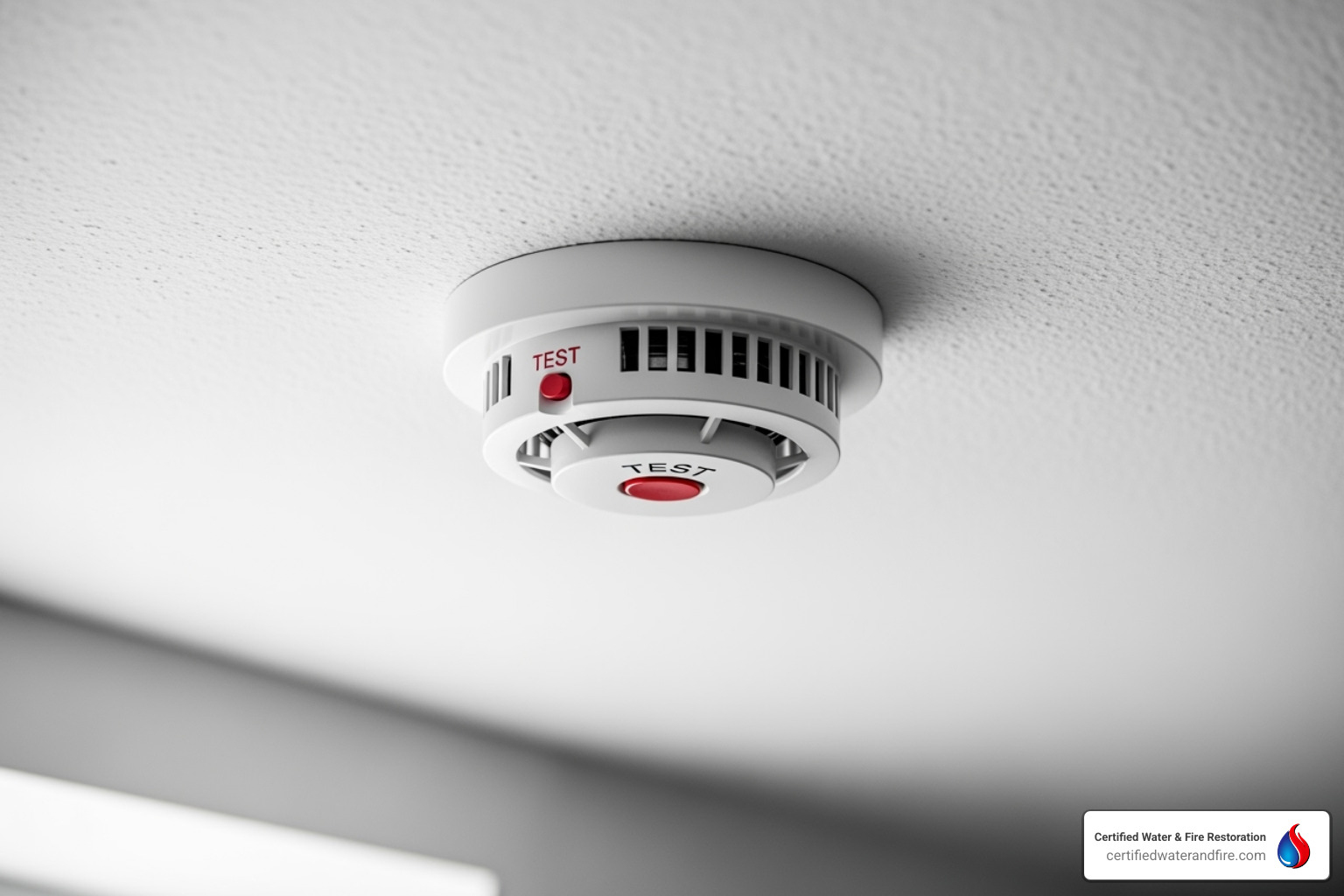
The Low Battery Lament: The Ultimate Midnight Menace
Ah, the classic. Not the full-blown, ear-splitting siren, but that infuriating, intermittent, and almost always 3 AM "chirp." It’s the sound of pure, unadulterated passive aggression. Your fire alarm isn't warning you of fire; it's warning you that it's tired and needs new batteries.
Why does it always start in the middle of the night? Is it a conspiracy? Probably. The theory is that as your house cools down at night, the drop in temperature can slightly lower the voltage in an already-dying battery, pushing it past its operational threshold. Whatever the reason, it's universally annoying and a guaranteed way to send you scrambling for a ladder and a fresh 9-volt battery in the dark.
The Grumpy Old Gaffer: When Your Alarm Just Needs to Retire
Here’s a fact that many people overlook: smoke detectors don't last forever! They actually have an expiry date, usually stamped on the back, about 8-10 years after their manufacturing date. Think of it like your phone; after a decade, it’s just not performing optimally. Its sensors get less sensitive, its components wear out, and it can start acting erratically.

If your alarm is ancient and still regularly screaming about non-existent infernos, it might just be time to say goodbye and upgrade to a newer, less temperamental model. It's not personal; it's just old and cranky.
So, What's a Jumpy Homeowner to Do?
First, don't rip the thing off the ceiling in a fit of rage! Unless there's an actual fire, in which case, get out! If it’s a false alarm:
- Ventilate! Open windows, turn on fans, get that air moving.
- Clean It! Gently vacuum around and inside the alarm's vents regularly to clear out dust and bug hotels.
- Change the Batteries! Do it at least once a year, even if it's not chirping. Pick a memorable date, like your birthday, or when the clocks change.
- Know Its Age! Check the manufacturing date. If it’s over 10 years old, it’s time for a replacement.
While a falsely blaring fire alarm is undoubtedly one of life's most startling nuisances, it’s usually just a sign that your vigilant little guardian is a bit too enthusiastic, needs a clean, or simply wants a fresh battery. They may be the loudest drama queens in your house, but they’re also there to keep you safe. So, next time it goes off for "no reason," just remember: it's probably just doing its best to save you from a rogue crumb or a particularly steamy Netflix binge. And maybe, just maybe, it thinks your cooking needs work.