Why Does My Hardwired Smoke Detector Keep Beeping
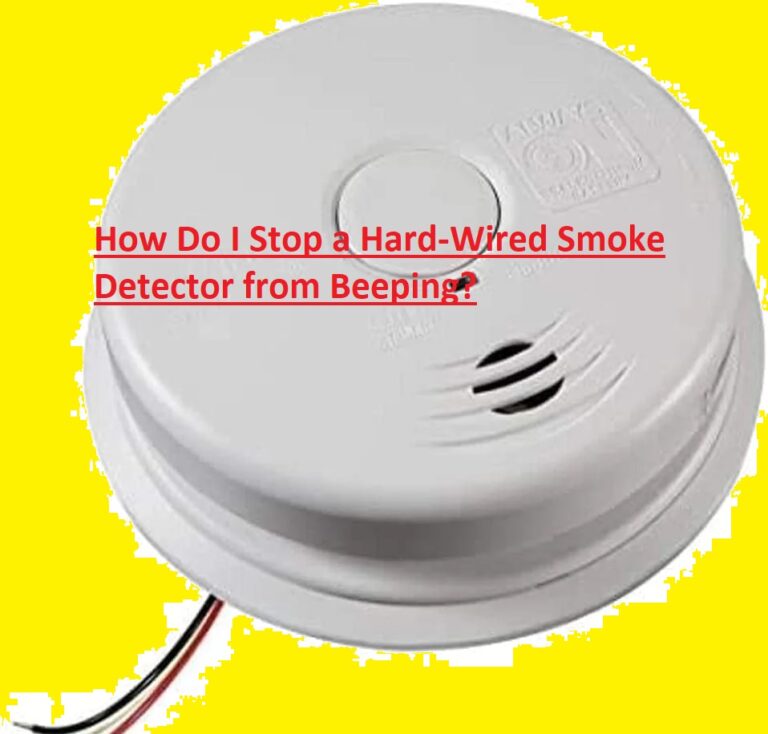
Ah, the unmistakable sound! That persistent, high-pitched chirp or full-blown wail from your hardwired smoke detector. For many, it's the soundtrack to a late-night puzzle, a moment of annoyance that begs the question: "Why me?" But what if this ubiquitous, sometimes maddening, sound isn't just a nuisance to be silenced, but a surprising source of inspiration and creativity? Let's turn that head-scratching into head-nodding.
Far from being just a household guardian, the rhythmic chirp of a smoke detector can offer unexpected benefits for the artistic soul, the hands-on hobbyist, or even the casual learner looking for a new perspective. For artists, this persistent auditory signal can be a unique form of "found sound" – a ready-made beat for a minimalist composition, a jarring note in an experimental soundscape, or even a symbolic representation of an inner alarm urging you to pay attention to a neglected creative project. Imagine using that intermittent chirp as a metronome for a spontaneous drawing session, or letting its urgency fuel a burst of freewriting!
Hobbyists, too, can find joy. The troubleshooting process itself becomes a fascinating, low-stakes detective game. Identifying whether it's a low battery (yes, even hardwired ones often have a backup!), a dust issue, or a fault with a specific unit is an exercise in problem-solving that hones your critical thinking skills. This translates beautifully to other DIY projects, sharpening your ability to diagnose and repair. For the casual learner, understanding the different types of chirps and their meanings offers a valuable lesson in home safety and basic electronics, turning an annoyance into a moment of practical education.
Must Read
Consider the variations this "beeping muse" offers. A single, intermittent chirp could inspire a short story about patience and perseverance. A rapid series of chirps might spark a fast-paced electronic music piece. And the full, ear-splitting alarm? That’s pure drama, perfect for a theatrical monologue or a high-contrast visual art piece exploring themes of urgency and safety. One artist might create an abstract painting using only colors that evoke the sound's frequency, while another might compose a sonic meditation around its repetitive pulse. The "problem" itself can become the subject!

So, how can you embrace this unlikely creative catalyst at home? First, don't just silence it; listen intently to the beep. What's its rhythm? Its tone? Try to replicate it with your voice or an instrument. Next, use the interruption as a forced moment of creative reflection. Instead of rushing to fix it, grab a notepad and sketch whatever comes to mind, or jot down stream-of-consciousness thoughts. Consider the smoke detector as your personal "time out" signal, prompting you to pause from routine and engage your imagination. Finally, when you do troubleshoot, approach it as a fun challenge. Document your steps, celebrate each hypothesis you test, and enjoy the satisfaction of cracking the code.
Ultimately, transforming an annoying beep into a creative prompt is incredibly enjoyable because it's an act of playful defiance. It turns a frustrating domestic event into an opportunity for growth, a chance to see the ordinary in an extraordinary light. It reminds us that inspiration can truly strike anywhere, even from the most unexpected (and noisy!) corners of our homes.