
Why Does My Fire Alarm Go Off For No Reason

Ah, the unmistakable, ear-splitting shriek. It rips through the calm of your morning coffee, punctuates a late-night snack, or — worst of all — jolts you awake from a deep sleep. Your fire alarm. And for what? A perfectly innocent piece of toast? A slightly steamy shower? We've all been there, standing bewildered, frantically waving a towel, wondering: why on earth did it go off for no reason?
It feels like a betrayal, doesn't it? This essential guardian of your home, designed to warn you of danger, suddenly turns into a drama queen over a whiff of air. But before you banish it to the garage (please don't!), let's unravel the mystery of these overzealous electronic sentinels. Because, believe it or not, there's usually a very good "reason" – even if it's not a raging inferno.
The Usual Suspects: Why Your Alarm Is Getting Jumpy
Most of the time, your fire alarm isn't broken; it's just doing its job, albeit a little too enthusiastically. Here are the common culprits:
Must Read
1. The Kitchen Conundrum: This is probably the number one offender. Whether it’s a forgotten pan of popcorn, a particularly smoky stir-fry, or even just the steam from boiling pasta, your kitchen is a hotbed of alarm-triggering activity. Modern alarms are pretty sensitive, and even a puff of non-dangerous smoke or dense steam can set them off. It's their way of saying, "Better safe than sorry!"
2. Dust Bunnies & Cobwebs: Yes, really! Smoke detectors, especially the photoelectric kind, work by sensing particles in the air. Over time, dust and tiny insects can accumulate inside the alarm's chamber, blocking its sensors or causing false readings. It's like having a tiny, fuzzy party in your alarm, and sometimes those party-goers trigger an emergency alert.
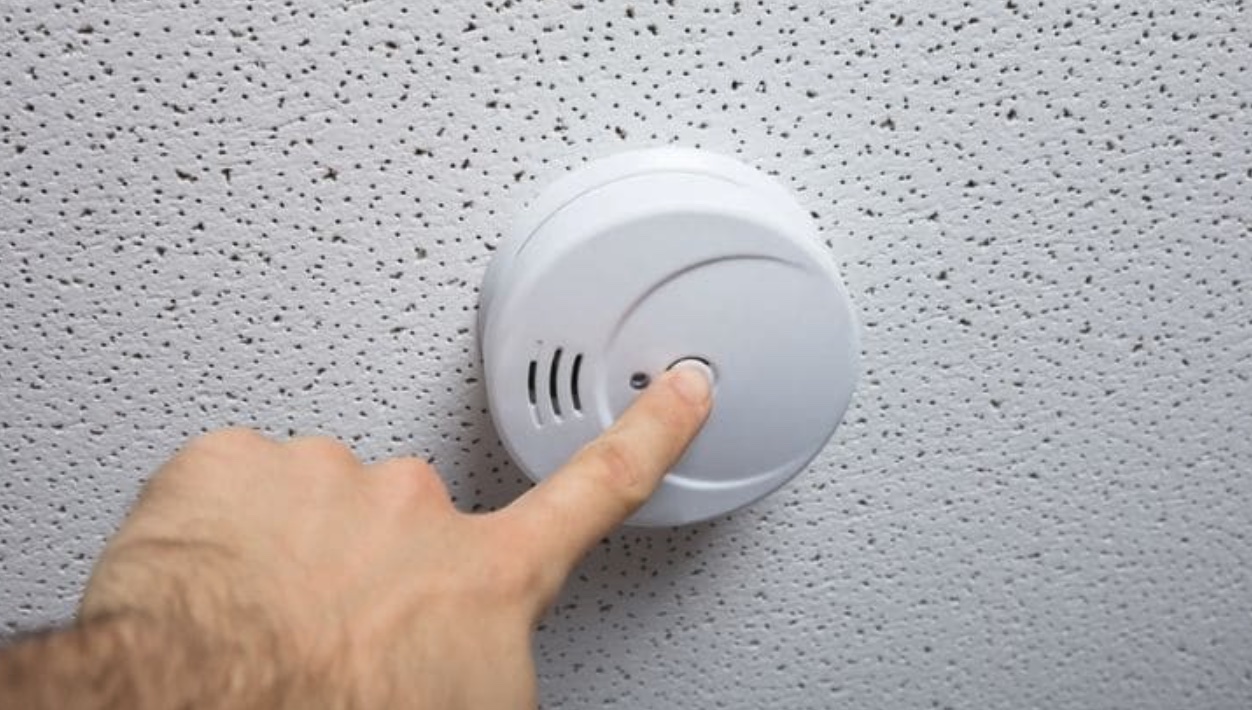
3. The Dreaded Low Battery Chirp (or actual battery issues): This one is a classic. That intermittent, infuriating chirp that sounds suspiciously like a full alarm (especially in the dead of night) is often just your alarm begging for a fresh set of batteries. But sometimes, a dying battery can actually make the alarm go off fully, not just chirp. Always check those batteries!
4. Humidity & Location, Location, Location: Ever noticed it after a long, hot shower? High humidity or steam from bathrooms and laundry rooms can sometimes mimic smoke particles, triggering the alarm. Placing an alarm too close to a window where drafts or humidity can easily enter is also a no-go.
5. Aging Technology: Just like us, fire alarms get old. Most manufacturers recommend replacing smoke alarms every 10 years. Over time, their internal components can degrade, leading to increased sensitivity or malfunction. Think of it as a grumpy old gadget needing retirement.

Your Action Plan for a Quieter Home
So, what can you do to tame your tempestuous fire alarm without compromising safety? A few simple steps can make a world of difference:
1. Ventilate While You Cook: When you're whipping up a storm in the kitchen, turn on your range hood or open a window. This helps to dissipate cooking fumes and steam, preventing them from reaching your nearby alarms.
2. Give Them a Dusting: Once a month, gently vacuum around your smoke detectors or wipe them with a clean, damp cloth. Don't forget to get into the crevices! Regular cleaning prevents those pesky dust-induced false alarms.
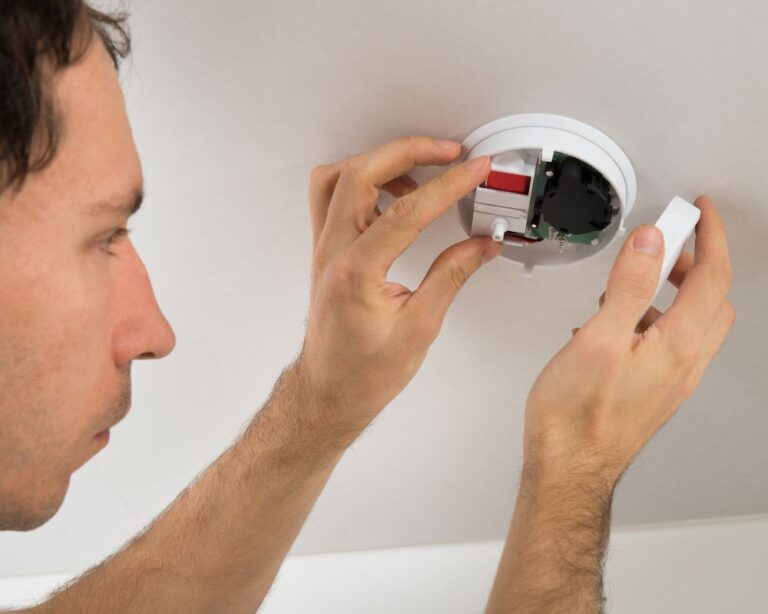
3. Test & Replace Batteries Regularly: Make it a habit. Test your alarms monthly using the test button, and replace batteries annually (a good reminder is when Daylight Saving Time changes). For sealed 10-year battery units, you'll simply replace the whole unit when its time is up.
4. Strategic Placement is Key: Alarms should be installed on every level of your home, inside and outside sleeping areas. But keep them at least 10 feet away from cooking appliances and away from bathrooms or overly humid areas. Did you know the iconic, jarring sound of a smoke detector is specifically designed to cut through sleep and other ambient noise, typically at 3,100 Hz?
5. Know Your Alarm Type: There are two main types: ionization alarms (better at detecting fast-flaming fires) and photoelectric alarms (better at detecting slow, smoldering fires). Photoelectric alarms are generally more prone to false alarms from cooking steam. Consider having a mix of both, or upgrading to dual-sensor alarms for comprehensive protection.
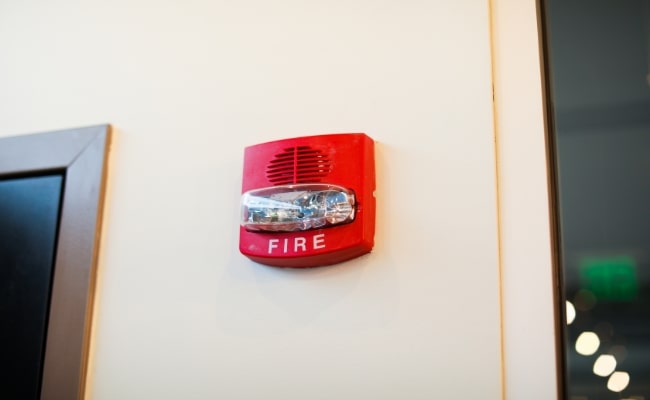
6. Consider a "Hush" Button: Many modern alarms come with a "hush" feature that temporarily silences the alarm for a few minutes, giving you time to clear the air without ripping it off the ceiling. Some smart alarms even let you silence them from your phone!
A Little Perspective
While the sudden shriek of a fire alarm can be incredibly annoying, especially when you know there's no real danger, it's worth remembering its ultimate purpose. These little devices are on constant alert, standing guard, ready to give you and your loved ones precious minutes to escape in a genuine emergency. They're like that overly cautious friend who always double-checks the stove – a bit much sometimes, but ultimately, you're glad they're around.
So next time your fire alarm goes off for "no reason," take a deep breath (and maybe open a window). Understand that it's just doing its best to keep you safe. A little understanding, some regular TLC, and strategic placement can help turn that jarring surprise into peaceful reassurance, making your home a safer and much quieter haven.