
Why Does My Carbon Monoxide Detector Beep
Picture this: It’s 2 AM. You’re deep in the land of nod, dreaming of... I don't know, puppies and pizza, probably. Suddenly, a sound rips through the silence. A high-pitched, insistent BEEP! BEEP! BEEP! Your eyes snap open. Heart pounding, you sit bolt upright. What is that?! Is it the smoke detector? Is the house on fire? Are aliens landing in the backyard?
You stumble out of bed, fumbling for a light switch, your mind racing through every disaster scenario known to humanity. You trace the sound, creeping through the dimly lit hallway, past the laundry room, and there it is. Not the smoke detector this time (phew!). It’s that other little plastic disc on the wall or ceiling, the one you barely ever think about: your carbon monoxide detector.
And now it’s beeping. Again. And again. And you’re standing there, half-asleep, wondering, "What in the actual heck are you trying to tell me, little plastic guardian of my home?" Sound familiar? Yeah, I thought so. Let's peel back the mystery of the dreaded CO detector beep, because honestly, that little gadget has a few important things it might be trying to scream at you.
Must Read
The Chirp of Doom (or Just a Dying Battery)
Most of the time, when your CO detector starts making noises, it’s not the emergency you immediately jump to. There are a few common culprits, and thankfully, most are pretty easy to fix.
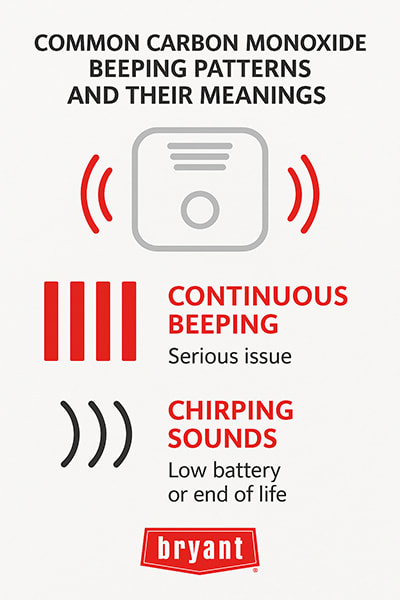
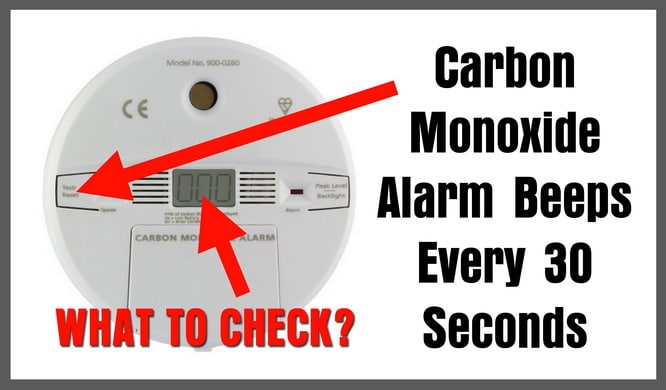
First up, and probably the most common reason for that annoying, intermittent chirp, is a low battery. Yep, just like your smoke detector, CO detectors usually run on batteries (or have a battery backup if they're hardwired). When those batteries start to lose juice, the detector lets you know with a regular, single chirp, often once every 30-60 seconds. It’s its polite (but incredibly irritating at 2 AM) way of saying, "Hey, can I get some fresh AAAs over here?"

Pro tip: Always keep spare batteries on hand for these things. Future-you will thank past-you.
Next on the "not-an-emergency-but-pay-attention" list is the end-of-life warning. Did you know CO detectors don't last forever? Nope! They have a lifespan, usually around 5-7 years, sometimes 10 depending on the model. The sensors inside them degrade over time, making them less reliable. When your detector reaches the end of its functional life, it'll start beeping in a specific pattern – often a series of 3, 4, or 5 beeps every minute or so, distinct from the low-battery chirp. It’s basically waving a little white flag and saying, "My time has come. Replace me, please!"
Check the back of your unit for a "replace by" date. Seriously, go look. You might be surprised.

The Real Deal: Actual Carbon Monoxide
Okay, so we've covered the common, less-alarming reasons. But what if it's the serious one? This is why you have the detector in the first place, right? If your carbon monoxide detector detects dangerous levels of CO, it will let out a loud, continuous, and very urgent alarm. We’re talking four loud beeps, repeated every few seconds, without stopping. This isn't a chirp; it's a blare. It’s screaming at you, "DANGER! DANGER, WILL ROBINSON!"
Carbon monoxide, for those who need a quick refresher (and let's be honest, who doesn't?), is often called the "silent killer." It's an invisible, odorless, tasteless gas produced by the incomplete burning of carbon-containing fuels. Think furnaces, gas stoves, fireplaces, water heaters, cars, generators. If these aren't vented properly, CO can build up to lethal levels. Symptoms can include headache, dizziness, nausea, confusion, and eventually, loss of consciousness and death. The scariest part? You might not even realize it's happening until it's too late.
What to Do When It Sings Its Song
So, your detector is going off. First, don't panic (easier said than done, I know). But do act quickly and calmly.
1. Identify the sound: Is it a single chirp every minute (low battery)? A series of beeps every minute (end of life)? Or the full-blown, terrifying four-beep alarm repeated constantly (actual CO)?
2. If it's the four-beep alarm: This is an emergency.
- Get everyone out of the house immediately! Yes, everyone – pets included.
- Once outside, call 911 (or your local emergency number). Do not go back inside.
- They'll send the fire department to investigate, locate the source, and ensure your home is safe before you re-enter.

3. If it's a low battery or end-of-life warning:
- Change the batteries right away. If the beeping stops, crisis averted!
- If new batteries don't help, or if it's giving the end-of-life pattern, it's time for a new unit. Don't procrastinate on this one; your life literally depends on it.
Keep It Happy (and You Safe)
A little proactive care goes a long way. Test your CO detectors monthly by pressing the "test" button. This ensures the alarm and battery are working. Make sure you know the expiration date of your units and replace them before they hit it. And, of course, keep those fuel-burning appliances in your home well-maintained and properly vented. A yearly check-up by a professional for your furnace and other appliances is a really smart idea. Trust me, it’s worth the peace of mind.
So, next time your CO detector decides to throw a mini-concert, you'll know exactly what it's trying to tell you. And hopefully, it's just asking for some fresh batteries, not yelling "RUN!" Either way, you'll be prepared. Stay safe out there!