
Why Does A Carbon Monoxide Alarm Beep
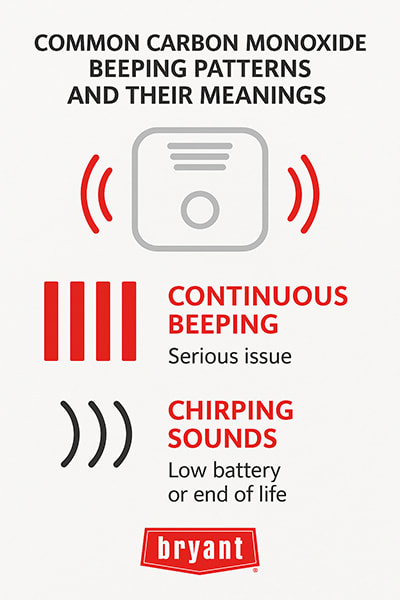
You know that feeling, right? That sudden, piercing, utterly demanding sound that rips through the peace of your home. The smoke alarm going off when you've just slightly over-toasted your bagel (we've all been there!). Or maybe it's the doorbell, ringing just when you've finally gotten comfortable on the couch. Annoying, yes. But sometimes, an alarm is trying to tell you something really important.
Today, let's chat about one of those alarms that might just be the quiet hero of your home: the carbon monoxide (CO) alarm. It beeps for a reason, and trust me, it’s a reason you want to listen to. Think of it less like an angry buzz and more like a tiny, very dedicated bodyguard yelling, "Hey! Pay attention!"
What Exactly is Carbon Monoxide, Anyway?
Okay, so let's get cozy with CO. Imagine a super-sneaky invisible intruder. Not the kind that steals your cookies (though that's annoying too!), but one that's utterly odorless, tasteless, and colorless. You can't see it, smell it, or feel it. This is carbon monoxide. It's born when fuels like natural gas, propane, wood, or gasoline don't burn completely. Think of your furnace, your gas stove, your car, or even a cozy fireplace.
Must Read
Under normal circumstances, everything burns nicely. But sometimes, maybe a vent gets blocked, or an appliance isn't quite right, and suddenly, CO starts to sneak around. And because it's so undetectable by our senses, we need a special kind of detective to spot it.
Why Does Your Alarm Have a "Nose" For It?
Your CO alarm is basically a tiny, super-sensitive bloodhound for this invisible gas. Inside that little box is a clever sensor that reacts specifically to carbon monoxide. When it detects a certain level of CO in the air – even a tiny amount – it goes, "Aha! I found you, you sneaky gas!" And then, it does what alarms do best: it beeps. Loudly. Persistently.
It's like having a really good friend who spots a potential problem before you even know it's there. That friend doesn't just tap you on the shoulder; they grab your attention because they know it's serious.

The Big "Why": What Happens When CO is Around?
Here's where it gets really important, but don't worry, we'll keep it light. Think of your red blood cells as little taxi cabs, and their favorite passenger is oxygen. They absolutely adore oxygen and zip it all over your body, keeping your brain bright and your muscles happy.
Now, here comes carbon monoxide, this invisible mischief-maker. CO is like that really pushy, slightly obnoxious passenger who shoves oxygen out of the way and takes its spot in the taxi. And guess what? Once CO gets in that taxi, it doesn't want to leave. It holds on super tight, blocking oxygen from getting its ride.
Suddenly, your body's oxygen taxis are full of CO instead of oxygen. Your brain, your heart, your muscles – they all start saying, "Hey! Where's our oxygen delivery?!"
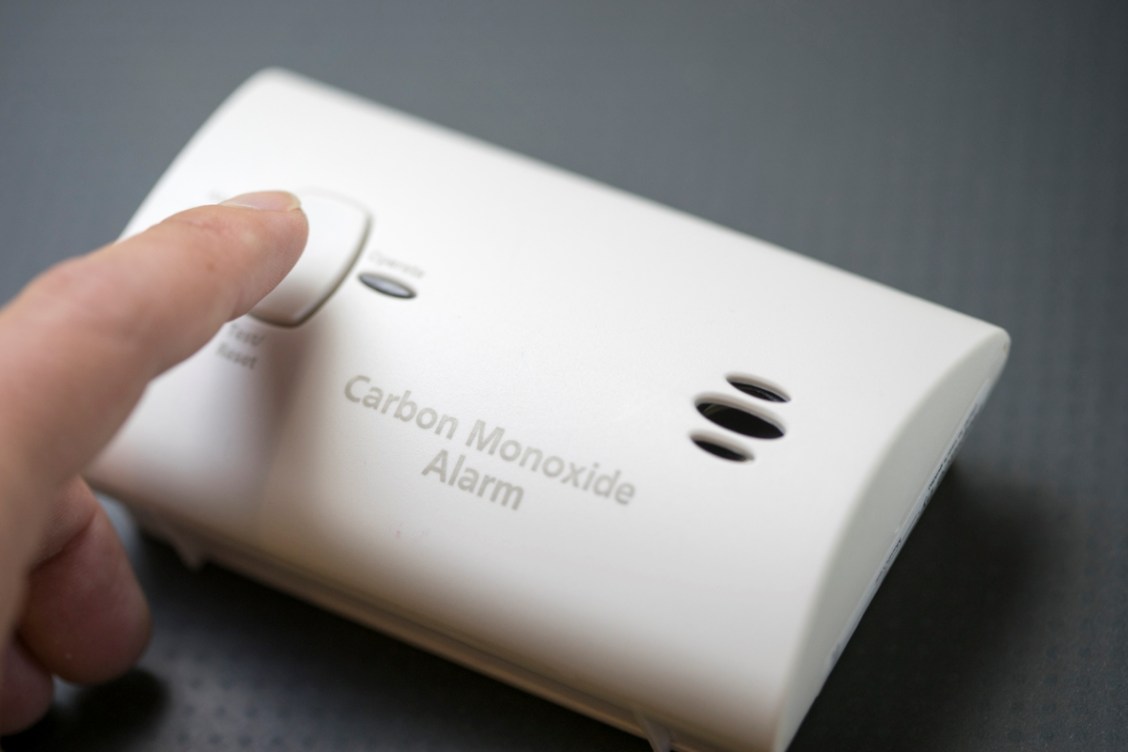
And because CO is so good at hogging those taxis, even a little bit over time can make you feel really sick – headache, dizziness, nausea, feeling sleepy. It can feel a lot like the flu, which is why it's so dangerous! Without your CO alarm, you might just think you're having a bad day, when in reality, your body is being starved of oxygen by this invisible gas.
Where Do These Pesky CO Emissions Come From?
Good question! CO isn't just lurking in dark alleys; it's often a by-product of our everyday conveniences. Here are some of the usual suspects:
- Your furnace or boiler, especially if it's old or not properly maintained.
- Gas-powered appliances like stoves, ovens, clothes dryers, and water heaters.
- A cozy fireplace or wood-burning stove with a blocked flue.
- Portable generators, especially if used indoors or too close to a house.
- Even your car's exhaust if you're warming it up in an attached garage.
- Gas grills or other outdoor cooking devices brought inside (a definite no-no!).
See? They're all things we use regularly. Most of the time, they're perfectly safe. But that's why your alarm is there – as a friendly reminder that sometimes things go awry.
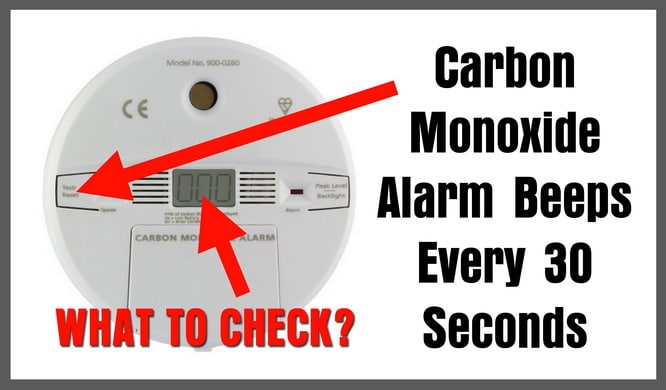
So, When It Beeps, What's the Game Plan?
If your carbon monoxide alarm ever starts its urgent symphony, here's the super-easy, super-important drill:
- Don't panic! Take a deep breath (of hopefully fresh air!).
- Get everyone out of the house, immediately. This means kids, pets, your grumpy uncle – everyone. Don't stop to grab your favorite mug or finish that TV show. Fresh air is your priority.
- Once safely outside, call your local emergency services (like 911 in many places). Tell them your CO alarm is sounding. They're trained for this and will send help.
- Do NOT go back inside until emergency responders say it's safe. They'll have the right equipment to check things out.
Think of your CO alarm as your home's super-alert security guard. When it shouts, you listen and you act!
Why Should You Care (In a Fun Way)?
Because your CO alarm is like having a tiny, round superhero living on your wall! It's constantly sniffing out danger so you don't have to. It gives you peace of mind, knowing that even the sneakiest, invisible threat has met its match.

It means you can grill outside, light your fireplace, or run your furnace without having to worry about that silent intruder. Your alarm is working 24/7, making sure your home is a safe haven for all those oxygen taxis to do their important work.
So, the next time you see that little box on your wall or ceiling, give it a silent nod of appreciation. It's not just a gadget; it's a vigilant protector, beeping its little heart out to keep you and your loved ones safe and sound.
Keep your CO alarms maintained, test them regularly, and remember: if it beeps, listen up! It could be the most important conversation you have all day.