
Why Do You Need A Carbon Monoxide Detector
Alright, let's talk about something that's super important but also, dare I say, kind of… mysterious? We're diving into the world of carbon monoxide, or CO for short. And trust me, it’s not nearly as boring as it sounds. Think of it less like a dry safety lecture and more like uncovering a quirky little secret agent living in your house.
So, picture this: you're chilling, maybe binge-watching your favorite show, when suddenly, there's an uninvited guest. But not just any guest. This one is a master of disguise. It's got no smell. No color. No taste. It's basically the ninja of hazardous gases. And that, my friends, is carbon monoxide.
Why is this sneaky ninja such a big deal?
Well, because it's rude. Extremely rude. While you're breathing in lovely, life-giving oxygen, CO tries to cut in line. It’s got a super-strong bond with your red blood cells – about 200 to 250 times stronger than oxygen. So, it basically shoves oxygen out of the way and takes its spot, preventing your body from getting what it needs. Imagine someone stealing your favorite snack right out of your hand. That's what CO does to your oxygen!
Must Read
And here’s where it gets even trickier. Because it's invisible and odorless, you often don't even know it's there. It's not like you get a sudden whiff of "danger gas." Instead, you might start feeling a bit… off. Headaches, dizziness, nausea – kinda like a really bad flu or too much Netflix and no sleep. You might just shrug it off, thinking you're tired or coming down with something. Sneaky, right?
Where do these tiny ninjas even come from?
Oh, they're everywhere! Or rather, they can be created by everyday things in your home. We're talking about anything that burns fuel. Think furnaces that aren't quite up to snuff, leaky gas stoves, space heaters, fireplaces, even your car idling in a closed garage (big no-no!). Generators running too close to your house are also prime suspects. Basically, if it burns gas, oil, wood, propane, or kerosene, it’s a potential CO producer. It’s like a tiny, accidental smoke machine, but for an invisible gas.

Funnily enough, sometimes our modern conveniences are the culprits. That cozy fire in the hearth? Delightful! But if the chimney isn't properly vented, bingo. Your perfectly cooked dinner on the gas stove? Delicious! But if the flame isn't burning blue and the ventilation is poor, guess who might be making a cameo? CO doesn't discriminate!
Enter the Superhero: The Carbon Monoxide Detector!
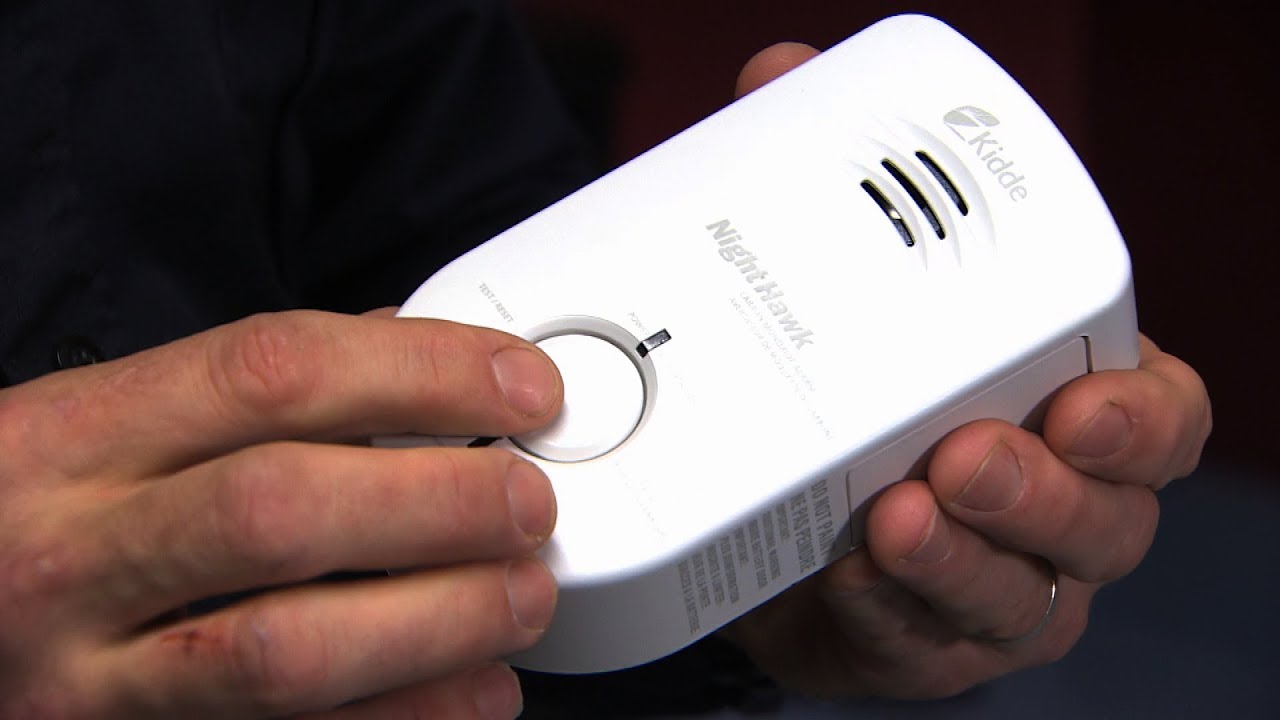
This is where our story gets a hero! The CO detector is like your home's personal bodyguard, a tiny, vigilant robot constantly sniffing the air for that invisible intruder. It's got one job: to scream (or beep very loudly) when CO levels get too high. It's basically saying, "Hey! Party's over! Get some fresh air!"
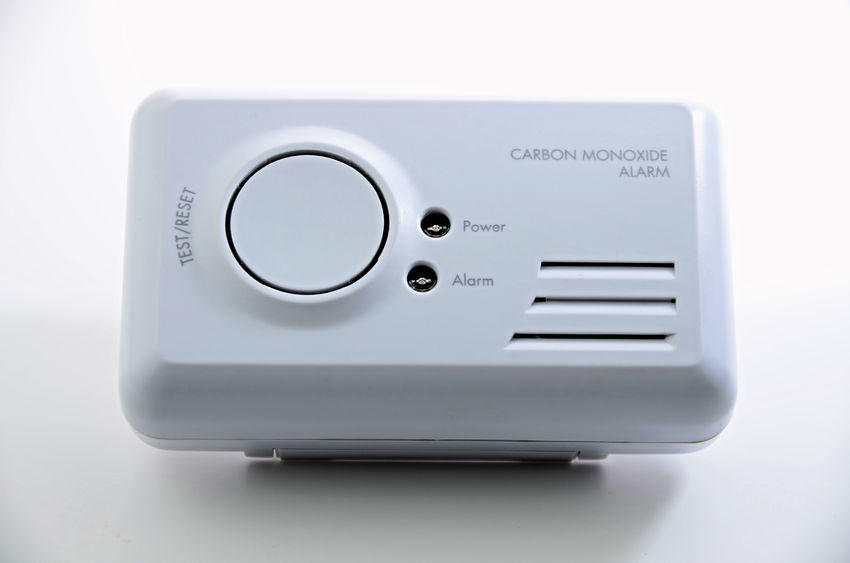
Imagine it as a tiny, highly sensitive nose that never stops working. While you're sleeping soundly, or just oblivious to the invisible threat, your detector is on patrol. It's a low-maintenance, high-impact friend. And frankly, it's pretty good at its job. When it chirps, it’s not being annoying; it’s being awesome.
But wait, there's more! Fun facts about CO!
Did you know CO poisoning is often called the "silent killer" because of its sneaky nature? But let's reframe that: it's more like the "polite, yet deadly, uninvited houseguest." It doesn't burst in, it just quietly makes itself comfortable and then slowly, subtly, starts messing with your vital functions. What a conversationalist, right?

And here’s a quirky thought: the reason our blood loves CO so much is because the CO molecule is very similar in size and shape to oxygen, but with a tiny, crucial difference in its electron structure that makes it bind super tightly to hemoglobin. It's like a key that fits the lock perfectly, but then won't let go! A real clingy molecule.
Also, CO isn't just a modern problem. Even in ancient times, people probably suffered from CO poisoning from poorly vented fires. They just didn't know what it was! So, you could say the CO detector is one of humanity's quiet triumphs against a very old, very persistent foe.

So, where do you put this tiny hero?
Easy peasy! You want to put them near sleeping areas and on every level of your home. If you've got an attached garage, put one in the room nearest to the entrance from the garage. And remember to check the batteries – usually twice a year, like when you change your clocks for daylight saving. It's a quick push of a button, and you get a satisfying beep. "Yep, still working!" It's like a mini-game of "Is my house safe?" (Spoiler: with a detector, the answer is usually YES!)
Seriously, for a relatively small investment, you get a huge peace of mind. It’s not just a gadget; it’s an invisible shield. It's the silent sentinel that guards your family against that other, less friendly, silent entity. It's like having a superpower, but instead of flying, you're just really good at avoiding invisible poisons.
So next time you spot a CO detector, give it a little nod of appreciation. It's more than just a piece of plastic; it's a testament to human ingenuity protecting us from nature's trickiest invisible foe. Stay safe, stay curious, and keep those detectors beeping!