
Why Do Smoke Alarms Go Off In Humidity
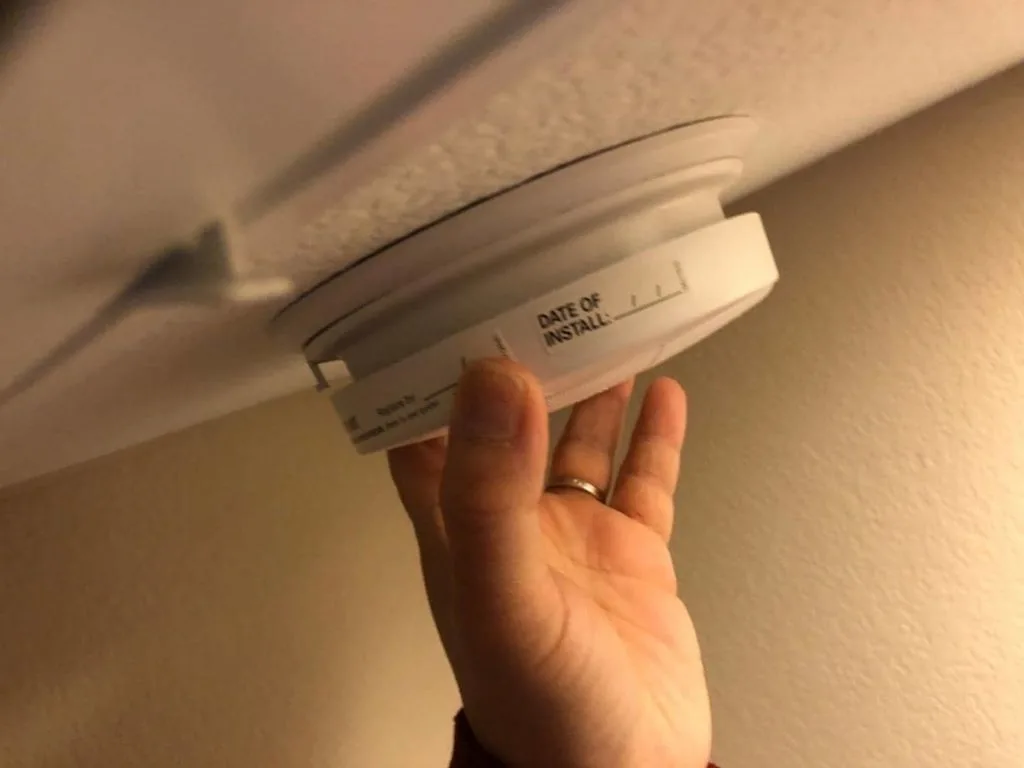
Alright, listen up, because we're about to dive into one of life's great, ear-splitting mysteries. You know the drill: You're minding your own business, perhaps enjoying a nice, steamy shower or boiling pasta like a pro chef. Then, out of nowhere, your smoke alarm decides it's time for a solo concert. BEEP BEEP BEEP! No smoke, no fire, just pure, unadulterated panic for no good reason. What gives?
Well, my friend, it turns out your smoke alarm might just be a little bit… sensitive. And the biggest culprit? Not a rogue burnt toast crumb, but often something far more innocent: humidity. Yep, that invisible, damp air that makes your hair frizz and your glasses fog up can also turn your trusty fire guardian into a screaming banshee. It's not a bug; it's a feature... or, rather, a misunderstanding!
The Secret Life of Your Smoke Alarm
Most homes have what's called an ionization smoke alarm. These little gadgets are pretty clever. They contain a tiny bit of radioactive material (don't panic, it's totally safe and sealed inside!) which creates an electrical current between two plates. Think of it like a miniature, invisible electric fence. As long as that current flows smoothly, the alarm stays quiet, happily doing its job.
Must Read
Now, when smoke enters this chamber, the tiny smoke particles disrupt that current. It's like throwing a wrench into the works of a smoothly running machine. The alarm notices the disturbance, thinks, "Aha! Fire!" and lets out its signature shriek. Simple, right? But here's where humidity, the mischievous imp, enters the scene.
When Water Acts Like a Ghost Particle
So, if smoke particles disrupt the current, what does humidity do? Well, when the air gets really moist, those microscopic water vapor particles start to float around like tiny, invisible troublemakers. To an ionization smoke alarm, these water particles can look an awful lot like smoke! It’s like the alarm is seeing ghosts, but the ghosts are just H2O!
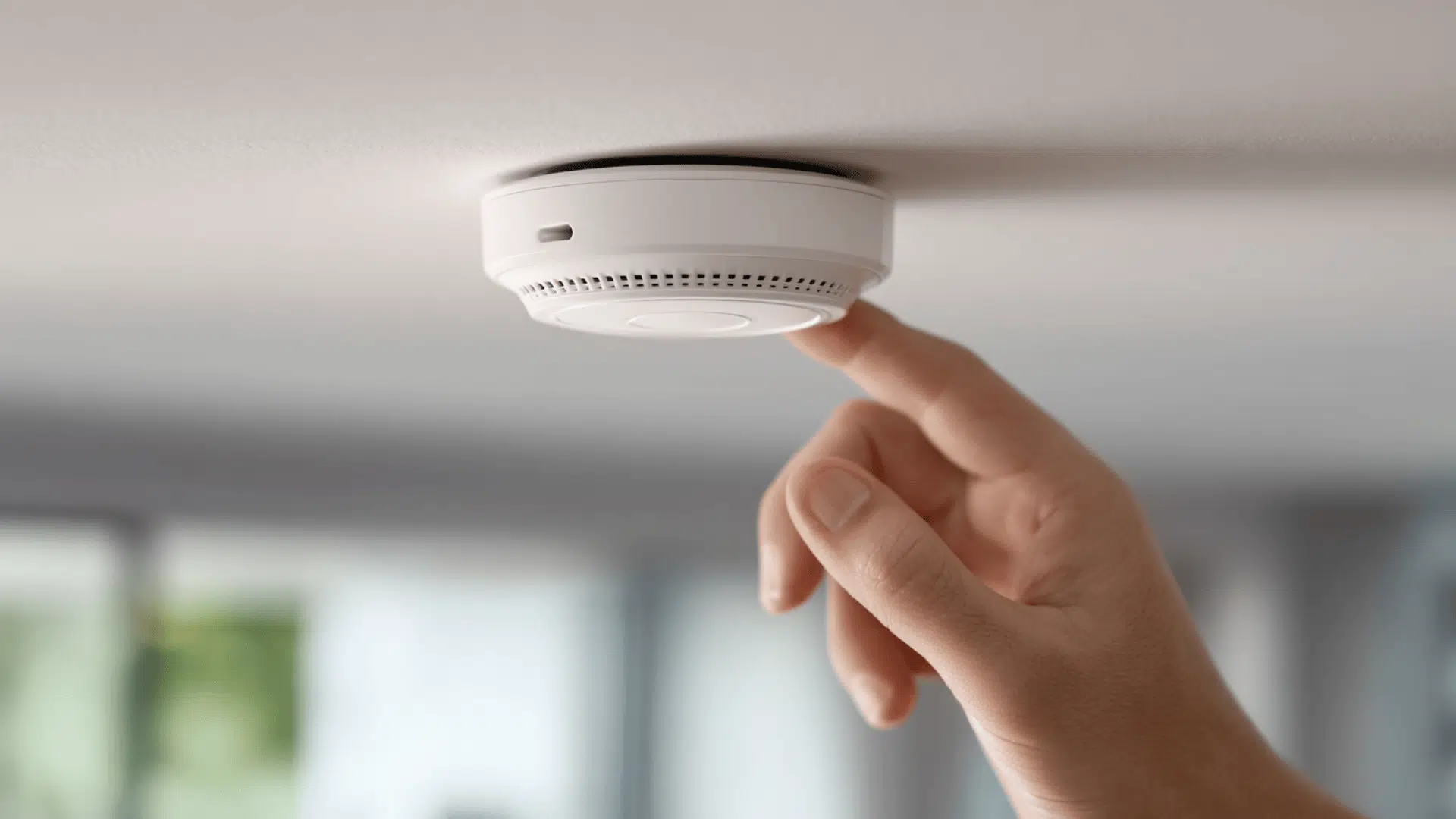
The water vapor, being conductive, can mess with that delicate electrical balance inside the alarm's chamber. It can effectively reduce the current, mimicking the presence of smoke. The alarm, bless its little heart, isn't smart enough to tell the difference between a potentially deadly plume of smoke and a harmless cloud of shower steam. It just knows its current is being interrupted, and its programming tells it to scream.
It’s like someone wearing a really convincing smoke costume to a party. The alarm sees it and thinks, "Oh no, a fire!" when it's just someone really committed to their outfit. You gotta admire its dedication, even if it's utterly misplaced!
Kitchen Calamities and Bathroom Bedlam
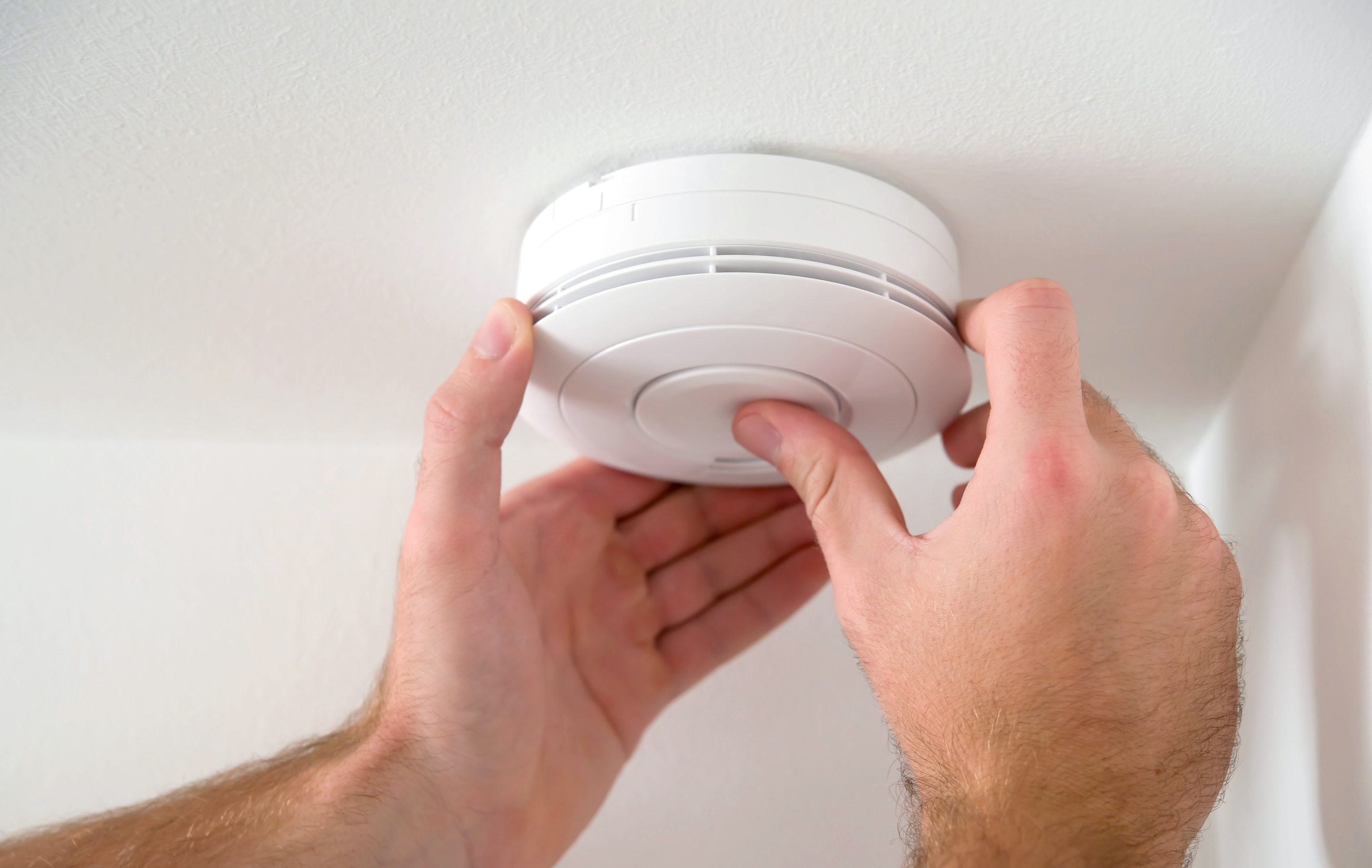
This is why you often hear the alarm go off when you're cooking up a storm, even if nothing's burning. That glorious steam rising from your pasta pot? That's just a cloud of water vapor, heading straight for your innocent-looking detector. Same goes for those long, hot showers. The bathroom fills with thick steam, and if an alarm is too close, it’s going to register that vapor as a potential inferno.
Imagine the alarm having a little brain inside. It’s sitting there, perfectly calm, and then suddenly a wave of hot, moist air hits it. Its tiny brain screams, "INVASION! INVASION OF MY CURRENT!" and boom, you've got a full-blown alarm. It's not trying to annoy you; it's just doing what it thinks is best, even if it's hilariously wrong.
Placement is Everything
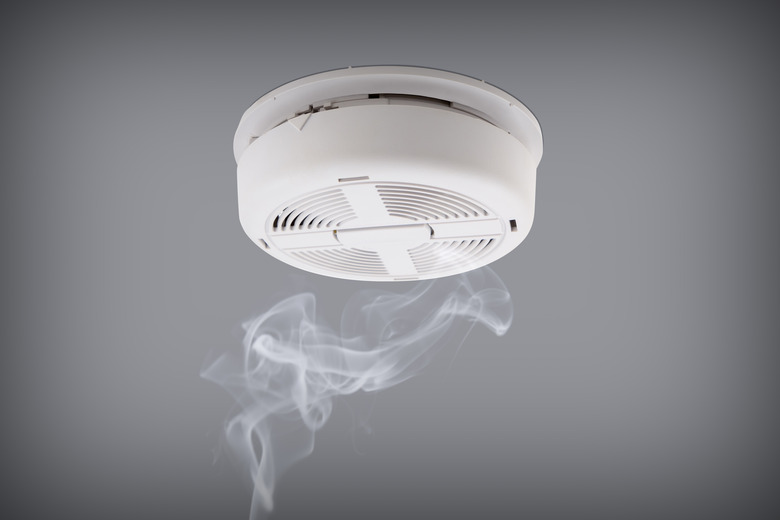
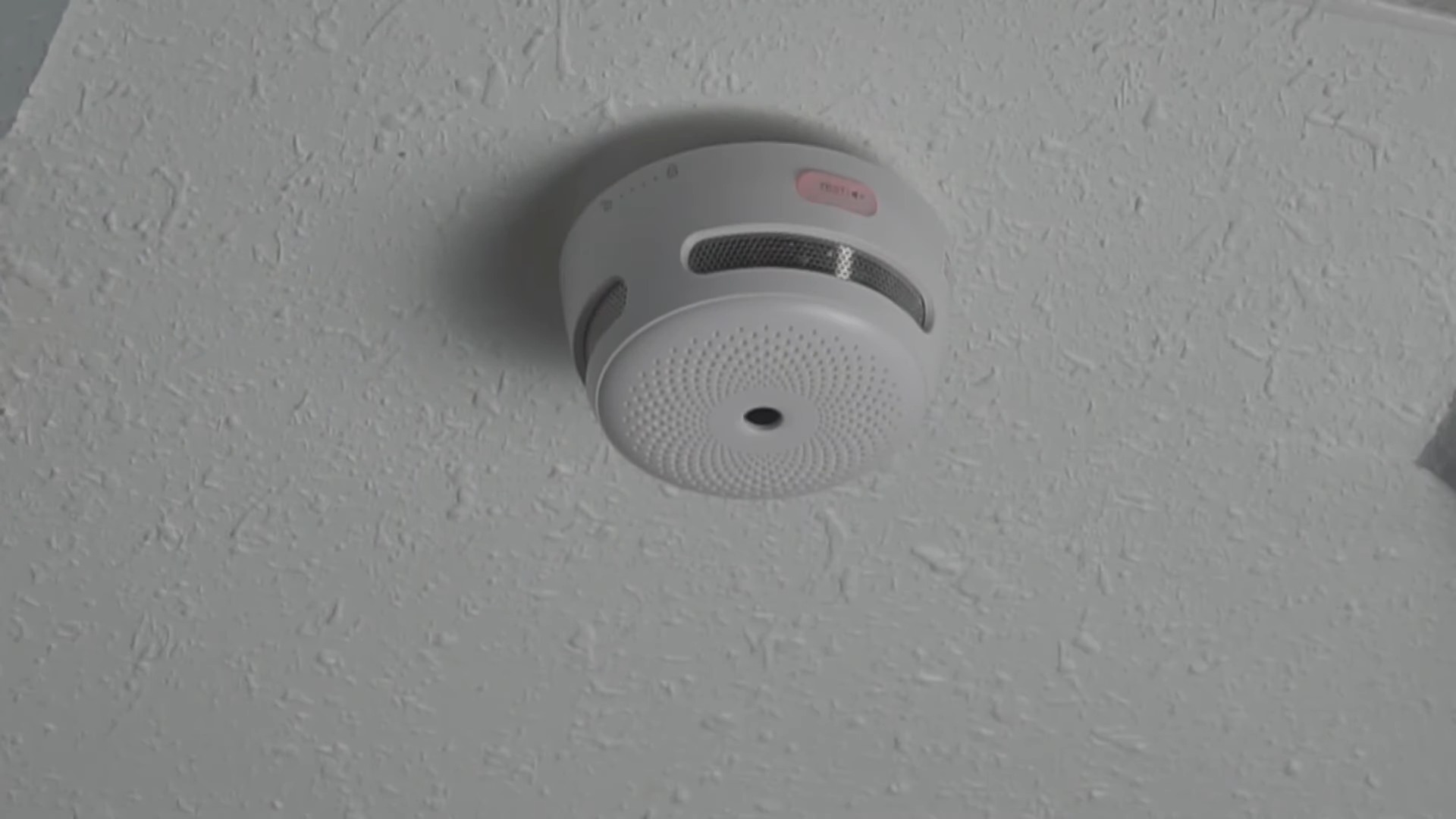
Another quirky fact? The placement of your smoke alarm dramatically affects its propensity for these false alarms. Put an ionization alarm right outside a bathroom door or too close to the kitchen, and you’re basically inviting it to join the humidity party. The closer it is to sources of steam, the more likely it is to have a little "panic attack" about water vapor.
That's why fire safety experts recommend keeping smoke alarms at least 10 feet away from cooking appliances and bathrooms. It gives the steam a chance to disperse before it reaches the alarm's super-sensitive sensors. Give your alarm some breathing room, literally!
So, What's a Human to Do?
Don't fret! You don't have to live in fear of your appliances or humidity. Here are a few playful tips to keep your smoke alarm from staging an unprompted concert:
- Ventilate Like a Pro: When cooking or showering, open a window, turn on the exhaust fan, or crack the door. Let that steam escape before it gets to your alarm. Think of yourself as a steam bouncer, keeping the uninvited guests away from the VIP section (your alarm).
- Relocate the Drama Queen: If your alarm is constantly screaming in the face of humidity, consider moving it. A few feet can make all the difference. Give it some distance from the steamy danger zones.
- Consider a Photoelectric Pal: While ionization alarms are great for detecting fast-flaming fires, photoelectric alarms are better at sensing slow, smoldering fires and are generally less susceptible to humidity. Maybe your home needs a different kind of guardian. Some alarms even combine both technologies, offering the best of both worlds!
- Keep it Clean: Dust and cobwebs can also mess with the sensors. Give your alarm a gentle vacuum or wipe down periodically. Even smoke alarms need a spa day!
See? It’s not just a random malfunction; there's actual science behind your smoke alarm's dramatic outbursts. It's a reminder that sometimes, the most annoying things in life have a perfectly logical, albeit quirky, explanation. So next time your alarm goes off for no reason, give it a knowing nod. It’s just trying its best, even if its "best" sometimes involves mistaking your morning shower for an emergency.
Stay curious, stay safe, and maybe keep a window open!