
Why Do Protein Bars Hurt My Stomach
:max_bytes(150000):strip_icc()/the-9-best-foods-for-an-upset-stomach-according-to-doctors_v1-668bb095311e4d20b67c47389832659c.jpg)
Ever grabbed a protein bar thinking you're making a healthy choice, only to be met with… less-than-pleasant digestive consequences? You're definitely not alone! It’s a surprisingly common experience, and understanding why these seemingly wholesome snacks sometimes turn on us is both fascinating and incredibly practical. After all, nobody wants a rumbling tummy to derail their workout or afternoon meeting.
Protein bars, at their core, are designed to be convenient sources of protein, carbohydrates, and fats. The goal is to provide a quick energy boost, aid in muscle recovery after exercise, or serve as a meal replacement when you're short on time. Think of them as highly engineered food products meant to pack a nutritional punch in a compact form. The potential benefits are clear: increased satiety, support for muscle growth and repair, and a handy way to manage hunger between meals. They're a lifesaver for busy professionals, dedicated athletes, and anyone looking for a portable protein boost.
You see them everywhere! Athletes reach for them post-workout to kickstart recovery. Students stash them in their backpacks for a quick energy boost during long study sessions. Even busy parents rely on them as a convenient snack on the go. Protein bars fit neatly into our fast-paced lives, promising a healthy and efficient way to fuel our bodies.
Must Read
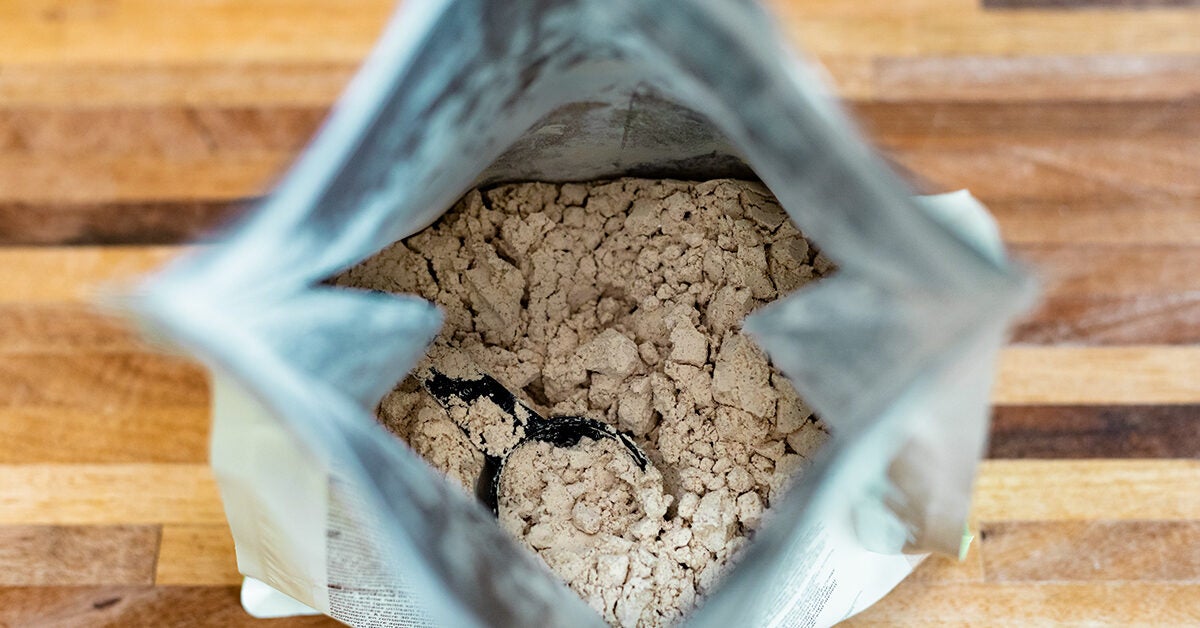
So, where does it all go wrong? Why the stomach grumbles, bloating, and other uncomfortable symptoms? The truth is, several factors can contribute. One major culprit is the type and amount of protein itself. Many bars use protein isolates (like whey protein isolate or soy protein isolate) which, while highly concentrated, can be difficult for some people to digest, particularly in large quantities. Then there’s fiber, often added to protein bars for digestive health and to promote fullness. While fiber is generally good for you, too much too quickly – especially types like inulin or chicory root – can lead to gas and bloating.
Artificial sweeteners, such as sugar alcohols (like sorbitol, xylitol, and mannitol), are another common offender. These sweeteners are often used to keep the sugar content down, but they’re poorly absorbed by the body, leading to digestive upset in many individuals. In addition, some people may have sensitivities or intolerances to specific ingredients in the bar, such as gluten, dairy, or nuts. Reading the ingredient list carefully is crucial.
Here are some practical tips to investigate what’s causing your discomfort. Start by experimenting with different brands and varieties of protein bars. Pay close attention to the ingredient list and look for bars with fewer artificial sweeteners and a more easily digestible protein source, such as brown rice protein or pea protein. Try eating only half a bar at first to see how your body reacts. Also, make sure you're drinking plenty of water, as this helps with digestion and can minimize bloating. Keeping a food diary to track which bars cause problems and which don't can also be incredibly helpful in identifying specific triggers. Finally, don't underestimate the importance of chewing thoroughly. Eating too quickly can overwhelm your digestive system and exacerbate any potential issues. By paying attention to your body's signals and experimenting with different options, you can find protein bars that fuel your body without causing unnecessary discomfort.
:max_bytes(150000):strip_icc()/severe-stomach-pain-when-to-go-to-the-er-19452821-5c869d9446e0fb00011366d7.png)