
Why Do My Fire Alarms Go Off Randomly

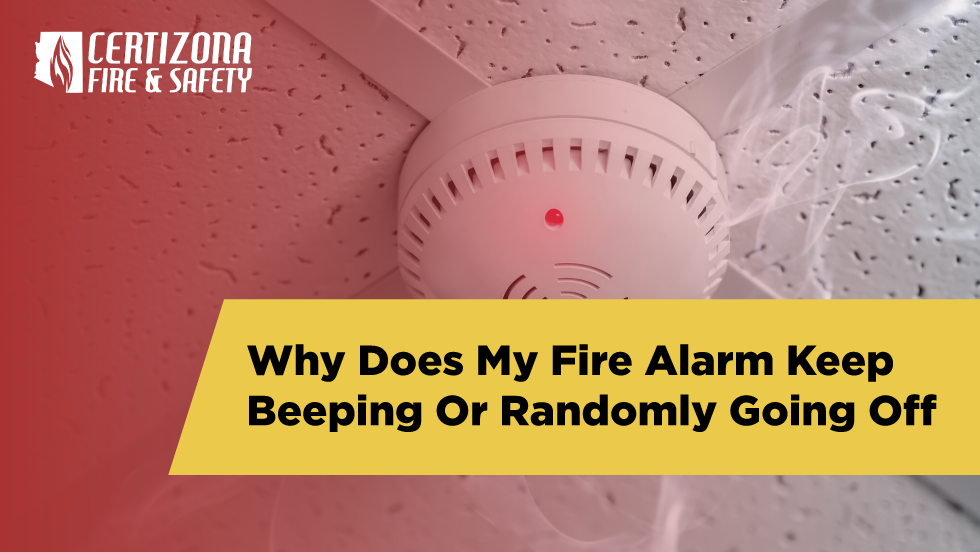
Ever been there? You’re cozily tucked into bed, dreaming sweet dreams of puppies and rainbows, when suddenly—BEEP! BEEP! BEEP! Your fire alarm decides it’s time for an impromptu rave. Your heart races, you jump out of bed, only to find… absolutely nothing. No smoke, no fire, just an angry little device screaming at you from the ceiling. So, what gives? Why do these guardian angels of our homes sometimes decide to throw a tantrum for no apparent reason?
It’s a truly universal experience, isn't it? And honestly, it's pretty fascinating if you think about it. These little gadgets are designed to protect us, but sometimes they're a bit like that overly enthusiastic friend who sees danger lurking everywhere, even when it’s just a shadow.
The Case of the Mysterious Triggers: What's Really Going On?
Let's dive into the wonderfully weird world of fire alarm false positives. Turns out, there are a few usual suspects behind those random, ear-splitting alerts.
Must Read
1. Dust Bunnies and Buggy Invaders (The Tiny Ninjas)
This is probably one of the most common culprits. Most modern smoke detectors, especially the photoelectric kind, work by shining a light and looking for anything that scatters it. Think of it like a tiny, vigilant lighthouse. If enough dust, spiderwebs, or even a small insect decides to crawl into the sensing chamber, it can scatter that light and trick the alarm into thinking it's smoke. It's like a microscopic rave for dust, and your alarm is the bouncer who thinks everyone’s causing trouble. Sneaky little things!
So, next time your alarm screams for no reason, consider giving it a gentle wipe-down or a quick vacuum around the edges. You might just evict a tiny party of uninvited guests.

2. The Steam Machine (Shower Monster or Cooking Chaos)
Ah, the classic post-shower alarm! Or maybe you’re whipping up a storm in the kitchen, and suddenly your perfectly innocent pasta water steam sets off the alarm. Many smoke detectors, particularly the ionization type (which are super sensitive to invisible particles of combustion), can get confused by steam or high humidity. They interpret these tiny water vapor particles as potential smoke. It’s not their fault; they’re just trying to be extra careful!
Imagine your alarm as a very literal-minded detective. "Particles in the air? Must be smoke!" It doesn't quite grasp the concept of a relaxing hot bath. Good ventilation is your friend here – running a fan or opening a window can often prevent these steamy false alarms.
3. Cooking Adventures Gone Slightly Wrong (The Burnt Toast Blues)
Let's be honest, who hasn't slightly overdone the toast or had a pan smoke a little more than intended? Even without visible smoke, the tiny, invisible particles released from cooking—especially from high-heat cooking like searing or frying—can be enough to set off a sensitive smoke alarm. Your alarm isn't judging your cooking skills; it's just doing its job, responding to those microscopic bits that hang in the air.
This is why keeping your smoke detectors a good distance from cooking appliances is crucial. And maybe invest in a good kitchen fan!
4. The Low Battery Chirp (The Impatient Messenger)
Okay, this one isn't "randomly going off" in the full sense, but it's a common and extremely annoying sound that often gets mistaken for a full alarm or creates a mystery. When your smoke detector's battery is running low, it lets out a distinctive, usually high-pitched chirp every 30-60 seconds. It's its way of saying, "Hey! My power supply is dwindling! Help me!"

While not a full alarm, this chirp can be incredibly irritating and can wake you up just as effectively as a full blast. Always, always check and change your batteries as soon as you hear this. It's a small price to pay for peace and quiet (and safety!).
5. End of Life (The Grand Retirement Party)
Did you know smoke detectors have an expiration date? Yep, they're not forever devices. Most manufacturers recommend replacing smoke alarms every 8-10 years. Over time, the internal components can degrade, leading to unreliable performance or, you guessed it, random false alarms. It's like an old car starting to sputter and cough; it's just getting tired and needs to be put out to pasture (or, in this case, recycled).
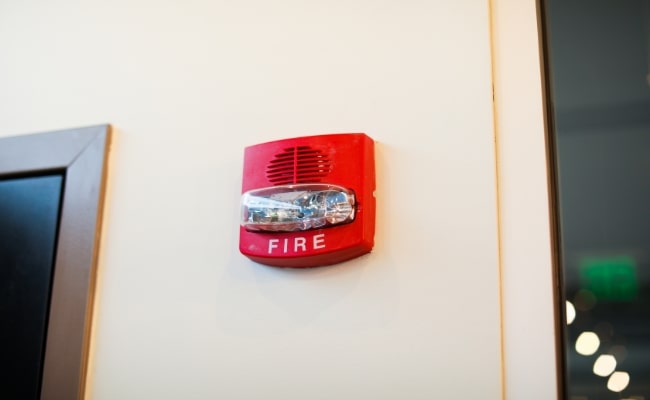
Check the back of your alarm; there should be a manufacturing date. If it’s past its prime, it might be time to treat it to a well-deserved retirement and get a shiny new replacement.
So, Are They Just Being Overdramatic?
Not at all! While the random false alarm is undoubtedly frustrating, it’s a sign that the device is, in its own quirky way, working. It’s tuned to detect changes in the air that could indicate a fire, and sometimes it gets a little overzealous. Think of it as your home's highly-strung but well-meaning guard dog, barking at squirrels when it should be guarding against burglars.
Understanding why they go off randomly can help us troubleshoot, prevent future false alarms, and even appreciate these vigilant little guardians a bit more. They’re annoying when they’re wrong, but priceless when they’re right. So, next time your alarm decides to throw a surprise party, take a deep breath, investigate, and remember: it's all part of its endearing, slightly dramatic personality.